Call Us Book Now

Suction Cupping Therapy in North Edmonton

Suction Cupping Therapy in North Edmonton is a hands-on therapy that uses cups placed on the skin to create controlled suction. The technique may be used alongside physiotherapy to address muscle tension, restricted movement, and areas of soft-tissue discomfort. At MindBody Physiotherapy & Wellness, our team uses cupping as part of a broader physiotherapy plan based on your movement, symptoms, and activity needs. Sessions can be used for people dealing with muscular tightness, sports-related strain, stiffness, or reduced mobility.

What Is Suction Cupping Therapy in North Edmonton?

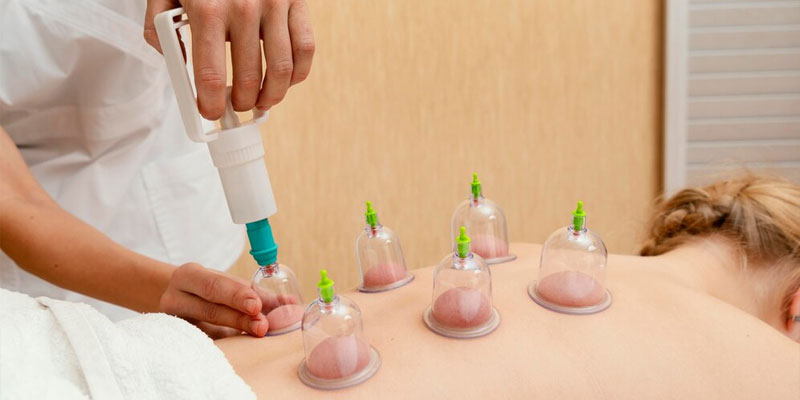
Suction Cupping Therapy in North Edmonton involves placing cups on selected areas of the body and creating negative pressure within each cup. This lifts the skin and superficial tissues slightly beneath the cup.

The technique has been used in various traditional and contemporary clinical settings. In physiotherapy, it may be incorporated with other hands-on approaches and movement-based care.

How Does Suction Cupping Work?

During a session, cups are positioned over areas identified during your assessment. Suction is then created inside the cup. Depending on the treatment plan, cups may remain stationary or be moved across the skin with an appropriate medium.

The pressure created by the cup can produce a pulling sensation. Temporary circular marks may appear afterward. These marks are commonly caused by changes in local blood flow and usually fade over several days.

What Areas Can Be Treated?

Cupping may be applied to areas such as:

  • Upper and lower back
  • Shoulders
  • Neck and surrounding muscles
  • Arms
  • Legs
  • Hips
  • Calves
  • Hamstrings
  • Quadriceps

The location and duration of treatment depend on your symptoms, physical assessment, and overall physiotherapy plan.

Who Can Benefit From Suction Cupping Therapy?

Suction Cupping Therapy in North Edmonton may be considered for adults and active individuals who have muscle tightness, stiffness, or movement limitations.

It may be included in care for people who:

  • Spend many hours sitting at work
  • Participate in recreational sports
  • Have muscle tension after physical activity
  • Experience stiffness after exercise
  • Are returning to activity following an injury
  • Have restricted movement in certain areas
  • Want a hands-on technique included within physiotherapy care

Cupping is not appropriate for everyone. A physiotherapy assessment helps determine whether it fits your situation.

Problems Suction Cupping Therapy May Address

People may seek Suction Cupping Therapy in North Edmonton when they notice:

  • Persistent muscle tightness
  • Localized stiffness
  • Reduced flexibility
  • Muscle fatigue following activity
  • Restricted range of motion
  • Tension around the shoulders or back
  • Sports-related muscular strain
  • Difficulty moving comfortably after prolonged inactivity

Cupping should not be viewed as a standalone answer for every condition. Our physiotherapy team considers the underlying issue and may combine cupping with exercises, mobility work, manual techniques, and activity advice.

Key Features and What a Session Includes

Dry Cupping

Dry cupping uses suction without making cuts or drawing blood. Cups are placed directly on the skin for a period determined by the clinician.

Why it matters:
It provides a controlled mechanical stimulus to the skin and superficial tissues.

Possible outcome:
Some people notice changes in muscle sensation or movement following treatment.

Moving Cupping

Moving cupping involves applying a small amount of suitable medium to the skin before gently moving the cup across a selected area.

Why it matters:
It allows the clinician to work across a larger section of superficial soft tissue.

Possible outcome:
The technique may be used to address areas of muscular tightness during a physiotherapy session.

Static Cupping

Static cups remain in one position for a set period.

Why it matters:
It allows sustained suction over a selected area.

Possible outcome:
The treated area may feel different immediately after the session, although responses vary between individuals.

Physiotherapy Integration

Cupping may be combined with:

  • Therapeutic exercise
  • Mobility exercises
  • Manual therapy
  • Strength work
  • Movement retraining
  • Activity modification
  • Postural education

This approach places cupping within a broader treatment plan rather than relying on the technique alone.

How the Process Works

1. Initial Consultation

Your session begins with a discussion about your symptoms, daily activities, exercise habits, and treatment goals.

2. Physical Assessment

Our physiotherapy team examines movement, flexibility, strength, and the areas contributing to your current concern.

3. Treatment Planning

Based on the findings, the clinician determines whether cupping is appropriate and which areas may be treated.

4. Cup Placement

Cups are positioned over selected areas of the skin. Suction intensity and treatment duration are adjusted according to the individual situation.

5. Post-Treatment Review

Your clinician checks how the treated area responds and discusses any sensations or temporary skin changes you may notice.

6. Exercise and Follow-Up

If appropriate, your session may include exercises or movement work. Future visits can be adjusted according to your progress and response.

Practical Benefits of Cupping Within Physiotherapy

Suction Cupping Therapy in North Edmonton may provide several practical advantages when used appropriately within physiotherapy care.

May Support Muscle Mobility

Cupping can be used alongside movement exercises when muscle tightness contributes to restricted mobility.

May Complement Hands-On Care

The technique can be combined with other physiotherapy methods during the same appointment.

May Support Activity Preparation

For some active individuals, cupping may be included as part of a broader plan focused on mobility before returning to selected activities.

May Complement Recovery Sessions

Following exercise or sports activity, cupping can be incorporated into a session when clinically appropriate.

May Provide a Non-Drug Treatment Option

Cupping uses mechanical suction rather than oral drugs. It can therefore be considered alongside movement-based physiotherapy when suitable.

Cupping and Exercise Can Work Together

Cupping is often more useful when it forms one part of a wider physiotherapy plan.

The exact combination depends on the findings from your assessment.

Conditions and Situations Where Cupping May Be Considered

Suction Cupping Therapy in North Edmonton may be considered as an adjunct to physiotherapy for concerns involving:

  • Muscle tightness
  • Sports-related strain
  • Shoulder stiffness
  • Back muscle tension
  • Hip and leg stiffness
  • Reduced flexibility
  • Activity-related muscle fatigue
  • General movement restrictions

Cupping does not replace medical assessment when symptoms indicate a more serious underlying condition.

Who May Receive This Service?

At MindBody Physiotherapy & Wellness, cupping may be considered for:

  • Office workers
  • Recreational athletes
  • Fitness enthusiasts
  • Runners
  • Individuals returning to exercise
  • People with activity-related muscle tension
  • Adults with mobility concerns

First, a clinician determines whether the technique is appropriate for your circumstances.

Frequently Asked Questions

What is Suction Cupping Therapy?

Suction Cupping Therapy uses cups that create negative pressure against the skin. In physiotherapy, it may be used as an adjunct to movement-based and hands-on care.

Is Suction Cupping Therapy painful?

Most people describe the sensation as pulling, pressure, or tightness. The intensity can be adjusted during the session. Tell your physiotherapist if the sensation becomes uncomfortable.

How long does a cupping session take?

The duration depends on whether cupping is being used on its own or alongside other physiotherapy methods. Your clinician can explain the expected appointment length before treatment.

Does cupping leave marks?

It can. Temporary circular marks may appear where the cups were placed. Their colour and duration vary from person to person.

How long do cupping marks last?

Marks commonly fade over several days, although the time can vary based on factors such as suction intensity and individual skin response.

Can I exercise after cupping?

The answer depends on the treatment area, your symptoms, and the activity you plan to perform. Your physiotherapist can provide activity advice after the session.

Is cupping suitable for everyone?

No. Certain skin conditions, bleeding concerns, some medical conditions, and other factors may make cupping unsuitable. Your clinician reviews relevant information before treatment.

Can cupping be combined with physiotherapy exercises?

Yes. Cupping can be incorporated with exercises, mobility work, strength training, and movement education when clinically appropriate.

How often should I receive cupping?

There is no universal schedule. Frequency depends on your condition, response to treatment, and broader physiotherapy plan.

Where can I receive Suction Cupping Therapy?

Suction Cupping Therapy in North Edmonton is available through MindBody Physiotherapy & Wellness as part of physiotherapy care.

Service Areas

MindBody Physiotherapy & Wellness serves people seeking physiotherapy and related care in North Edmonton and surrounding communities.

Service areas may include:

  • North Edmonton
  • Northeast Edmonton
  • Northwest Edmonton
  • Central Edmonton
  • Nearby Edmonton communities

If you live outside these areas, contact our clinic to confirm whether our location is convenient for you.

Why Choose MindBody Physiotherapy & Wellness?

MindBody Physiotherapy & Wellness incorporates cupping within physiotherapy rather than treating it as an isolated technique.

Our approach includes:

  • Physiotherapy assessment before treatment
  • Review of movement and activity needs
  • Selection of appropriate treatment methods
  • Exercise-based care where suitable
  • Progress reviews during follow-up visits
  • Treatment adjustments based on your response

Our team can explain what cupping involves, what you may notice during a session, and how it fits into your broader physiotherapy plan.

Depending on your needs, you may also be interested in:

  • Physiotherapy
  • Massage Therapy
  • Advanced Sports Physiotherapy
  • Motor Vehicle Injury Management
  • Concussion Management
  • Custom Orthotics
  • Dry Needling/IMS Therapy
  • Electrical Stimulation Therapy
  • Ergonomic Training
  • Exercise Therapy
  • Joint Mobilization
  • Kinesio Taping
  • Manual Therapy

These services can be used individually or combined when appropriate.

Why Consider Suction Cupping Therapy in North Edmonton?

Suction Cupping Therapy in North Edmonton can be one component of a physiotherapy plan for people dealing with muscular tightness, stiffness, or activity-related movement concerns.

Rather than using the same approach for every person, our physiotherapy team begins by assessing your condition. We then assess whether cupping fits into your care plan and how it can be integrated with exercise or other physiotherapy techniques.

Get Started

If you are considering Suction Cupping Therapy in North Edmonton, contact MindBody Physiotherapy & Wellness to discuss your needs and arrange an assessment.

During your appointment, our team can review your symptoms, examine your movement, explain the cupping process, and determine whether it fits your physiotherapy plan.

📞 Call Us Today: +1 780-726-0203

Address: 16733 127 St, Edmonton, AB T6V 1B1, Canada

Contact MindBody Physiotherapy & Wellness today to arrange a physiotherapy appointment in North Edmonton.

"UNLOCKING SOLUTIONS, EMPOWERING WITH ANSWERS TO FREQUENTLY ASKED QUESTIONS."


  • What is physiotherapy, and how can I benefit?

    Physiotherapy is a healthcare profession focused on improving and restoring movement and function to individuals affected by injury, illness, or disability. Physiotherapists utilize a variety of techniques, including exercise prescription, manual therapy, and modalities such as ultrasound and electrical stimulation, to address musculoskeletal, neurological, and cardiopulmonary conditions. The benefits of physiotherapy are vast and can positively impact individuals of all ages and abilities. By addressing pain, improving mobility, and restoring function, physiotherapy can help you recover from injuries faster and prevent future recurrences. Additionally, physiotherapy plays a crucial role in promoting overall health and well-being by enhancing physical strength, flexibility, and endurance. Whether you're recovering from a sports injury, managing chronic pain, rehabilitating after surgery, or seeking to improve your mobility and quality of life, physiotherapy offers personalized care and support tailored to your unique needs. By working closely with a physiotherapist, you can optimize your physical function, enhance your independence, and achieve your goals for a healthier, more active lifestyle.

  • Can I see a physiotherapist even if I'm not injured or experiencing any pain?

    Yes, you can see a physiotherapist even if you're not injured or experiencing pain. Physiotherapy isn't just for injury recovery; it's also highly beneficial for injury prevention and overall wellness. Here are some reasons to visit a physiotherapist without being injured: Injury Prevention: Physiotherapists can identify potential risk factors and biomechanical issues that may lead to injuries. They can design personalized exercise programs to strengthen weak areas and improve flexibility and balance, reducing the risk of future injuries. Performance Enhancement: Athletes and fitness enthusiasts can benefit from physiotherapy to enhance their performance. Physiotherapists can provide sport-specific training, optimize movement patterns, and offer techniques to improve strength, endurance, and agility. Posture and Ergonomics: Many people suffer from poor posture due to sedentary lifestyles. Physiotherapists can assess your posture and recommend ergonomic adjustments and exercises to improve alignment and reduce strain on your body. General Well-being: Regular physiotherapy can help maintain overall musculoskeletal health, manage stress, and promote relaxation through techniques such as massage therapy and guided stretching. Visiting a physiotherapist proactively can help you maintain optimal health and prevent potential issues from developing.

  • What does the initial consultation involve?

    The initial consultation in a physiotherapy setting, particularly for Advanced Sports Physiotherapy, involves several key steps to ensure a comprehensive understanding of the patient's needs and to establish an effective treatment plan. First, the physiotherapist conducts a detailed medical history review, including any previous injuries, surgeries, and current health conditions. This is followed by a discussion of the patient's goals, whether it's injury recovery, performance enhancement, or injury prevention. Next, a physical examination is performed. This includes assessing posture, gait, range of motion, strength, flexibility, and functional movement patterns. For athletes, sport-specific assessments may be conducted to identify any biomechanical issues or imbalances. The physiotherapist may also utilize diagnostic tools such as ultrasound or other imaging techniques if necessary. Based on the findings, the physiotherapist develops a personalized treatment plan, outlining recommended therapies, exercises, and lifestyle modifications. They also provide education on injury prevention and strategies to optimize performance. Finally, the consultation includes setting realistic goals and discussing the expected timeline and outcomes of the treatment. Contact MindBody Physiotherapy & Wellness Clinic to schedule your initial consultation and start your journey to optimal health and performance.

  • What does a treatment or follow-up session involve, and how many sessions will I need?

    In a treatment or follow-up session at MindBody Physiotherapy & Wellness Clinic, the process begins with a reassessment of your condition. This includes reviewing your progress, evaluating any changes in symptoms, and adjusting the treatment plan accordingly. A typical session may involve a combination of manual therapy, therapeutic exercises, modalities such as ultrasound or electrical stimulation, and education on injury prevention and self-management strategies. The number of sessions needed varies depending on the nature and severity of your condition, your progress, and your individual goals. Acute injuries might require a few weeks of consistent sessions, while chronic conditions or post-surgical rehabilitation could extend over several months. Generally, the initial phase involves more frequent visits, which may taper off as you make progress and gain strength. Your physiotherapist will provide a personalized treatment plan and timeline after the initial assessment, ensuring that you receive the optimal amount of care to achieve a full recovery and prevent future injuries. For a tailored treatment plan, contact MindBody Physiotherapy & Wellness Clinic today.

  • Do I need a doctor’s referral to come to Physiotherapy?

    No, you do not need a doctor’s referral to come to physiotherapy. You can directly book an appointment with a physiotherapist, who will assess your condition and develop a personalized treatment plan. However, some insurance plans may require a doctor’s referral for reimbursement purposes. It's advisable to check with your insurance provider to understand their specific requirements. Regardless of insurance stipulations, seeing a physiotherapist without a referral can expedite your access to care, allowing for quicker intervention and recovery. If you have any concerns or need further clarification, contacting your physiotherapy clinic directly can provide the specific guidance you need.

  • What should I expect during my first appointment?

    During your first appointment at MindBody Physiotherapy & Wellness Clinic, you can expect a comprehensive assessment to understand your specific needs and goals. The session will begin with a detailed discussion of your medical history, current symptoms, and any relevant sports or physical activities. This will be followed by a physical examination, including posture analysis, range of motion tests, and strength assessments. Based on these findings, your physiotherapist will develop a personalized treatment plan tailored to your condition. This plan may include manual therapy, therapeutic exercises, and recommendations for at-home care. The goal is to provide a clear path to recovery, optimize your performance, and prevent future injuries.

  • How many treatments will I need?

    The number of treatments you will need varies depending on the nature and severity of your condition, your personal health goals, and how your body responds to therapy. For acute injuries or issues, you might require a shorter treatment plan, typically ranging from a few sessions to a few weeks. Chronic conditions or more severe injuries may necessitate a longer-term approach, possibly involving several months of regular sessions. Your physiotherapist will conduct a thorough assessment during your initial consultation to create a personalized treatment plan. This plan will outline the recommended number of sessions and their frequency. Regular evaluations will be conducted to monitor your progress and adjust the treatment plan as needed to ensure optimal recovery and performance enhancement.

  • How long will I be in the clinic for each session?

    The duration of your session at the clinic can vary depending on the specific treatment plan recommended by your physiotherapist. Typically, sessions range from 30 minutes to an hour, encompassing a combination of assessment, treatment, and therapeutic exercises tailored to your individual needs. During your initial consultation, your physiotherapist will conduct a thorough assessment to identify the nature of your condition, assess your range of motion, strength, and functional limitations. Based on this assessment, they will develop a personalized treatment plan and discuss the expected duration of each session with you, ensuring that you have a clear understanding of what to expect and how long each appointment will last.

  • Does my extended health care cover physiotherapy treatment?

    Determining whether your extended health care covers physiotherapy treatment depends on your specific insurance policy. Many extended health care plans do cover physiotherapy to some extent, but the extent of coverage can vary widely between plans and providers. Some plans may cover a certain number of sessions per year, while others may have a monetary limit or require pre-authorization for treatment. It's essential to review your insurance policy or contact your insurance provider directly to understand the details of your coverage, including any deductibles, co-payments, or restrictions that may apply. Additionally, speaking with your physiotherapy clinic can help clarify how they can assist you in navigating your insurance coverage to access the treatment you need.

  • How soon can I get an appointment?

    At MindBody Physiotherapy & Wellness Clinic, we understand the importance of timely access to care. We strive to accommodate our clients' schedules and offer flexible appointment options. Depending on availability, you may be able to schedule an appointment within a few days of contacting us. Our friendly staff will work with you to find a convenient time slot that fits your schedule. Contact us today to inquire about our current availability and book your appointment for Advanced Sports Physiotherapy in Leduc. Your journey to optimal health and performance starts here.

  • Do I need to see my doctor before booking a physiotherapy assessment?

    It's generally advisable to consult your doctor before booking a physiotherapy assessment, especially if you're experiencing significant pain, have recently undergone surgery, or have a pre-existing medical condition. Your doctor can provide valuable insights into your overall health and any specific concerns that may impact your physiotherapy treatment. Additionally, they can offer guidance on whether physiotherapy is the appropriate course of action for your condition or if further medical evaluation is necessary. While a doctor's referral is not always required to see a physiotherapist, it can streamline the process and ensure that you receive the most effective care tailored to your individual needs. Physiotherapists work closely with medical professionals to coordinate care and optimize outcomes, so consulting your doctor before booking a physiotherapy assessment can help facilitate a collaborative approach to your treatment plan.

  • If I've already undergone an assessment with my physician, what's the necessity for a physical therapy assessment?

    While a physician's assessment focuses on diagnosing medical conditions and prescribing treatment, a physical therapy assessment provides a specialized evaluation of musculoskeletal function and movement patterns. Physical therapists are experts in identifying biomechanical imbalances, muscle weaknesses, and movement dysfunctions that may contribute to pain or impair function. Additionally, physical therapy assessments often include functional testing to assess mobility, strength, and flexibility, providing valuable information to guide treatment planning and rehabilitation. Therefore, even after seeing a physician, a physical therapy assessment is essential for developing an individualized treatment plan aimed at optimizing function, reducing pain, and preventing future injuries.

  • How many treatments does it take to get better?

    The number of treatments required to achieve recovery varies depending on the individual's condition, severity of the injury, and response to therapy. In many cases, improvement can be noticed within a few sessions, especially with acute injuries or conditions. However, chronic or complex issues may necessitate a longer treatment plan. Physiotherapists tailor treatment frequency and duration based on ongoing assessment and progress monitoring, aiming to optimize outcomes while minimizing the duration of therapy. Ultimately, the goal is to empower individuals with the tools and techniques to manage their condition effectively, promoting long-term recovery and wellness.

  • Do you provide treatment for clients injured in motor vehicle accidents (MVAs)?

    Yes, at our clinic, we provide comprehensive treatment for clients injured in motor vehicle accidents (MVAs). Our experienced team of physiotherapists specializes in assessing and treating a wide range of injuries resulting from car accidents, including whiplash, soft tissue injuries, and musculoskeletal pain. We offer personalized rehabilitation programs tailored to each client's specific needs, focusing on pain relief, restoring mobility, and improving overall function. Our goal is to help clients recover fully from their MVA injuries and regain their quality of life as quickly and effectively as possible.

  • What if I injured at work or in a car accident?

    If you're injured at work or in a car accident, it's crucial to seek prompt medical attention. Notify your employer or the relevant authorities immediately, and if necessary, seek medical attention to address any injuries sustained. In cases of workplace injury, you may be entitled to workers' compensation benefits, while car accidents may involve insurance claims. Consulting with a legal professional experienced in personal injury law can help you understand your rights, navigate the claims process, and ensure you receive the compensation you deserve for medical expenses, lost wages, and other damages incurred as a result of the injury.