
Dry Needling in Edmonton
Muscle pain can linger long after the original strain, injury, or repetitive movement has passed. Tight muscle bands, trigger points, and movement restrictions often continue to limit daily activities, athletic performance, and workplace tasks. Dry Needling in Edmonton at MindBody Physiotherapy & Wellness is used as part of a physiotherapy treatment plan to address these issues by targeting muscles that contribute to pain and restricted movement.
Our physiotherapists combine dry needling with manual therapy, movement assessment, corrective exercise, and functional rehabilitation. This integrated approach focuses on identifying why symptoms developed and creating a treatment plan that supports healthy movement and improved function.
Whether your symptoms developed after a sports injury, prolonged desk work, repetitive lifting, or a chronic musculoskeletal condition, dry needling in Edmonton may become an important component of your rehabilitation program.
What is dry needling in Edmonton?
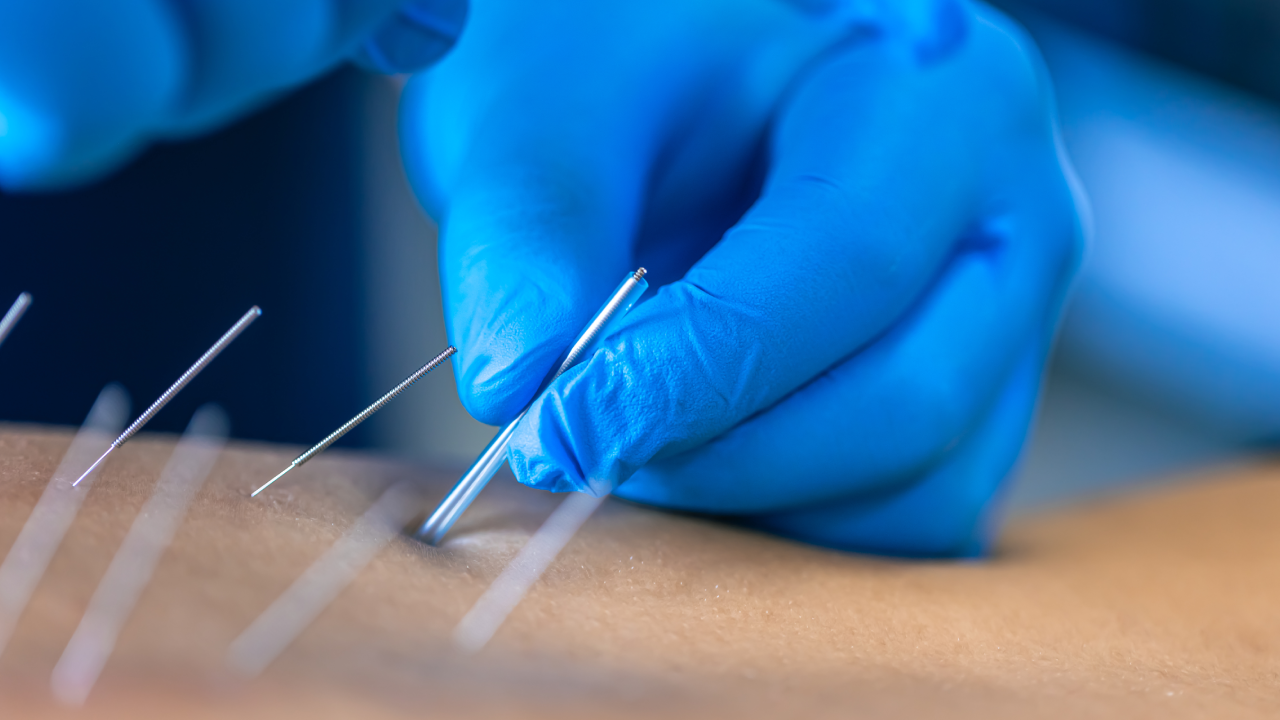
Dry needling is a physiotherapy technique that uses thin, sterile, single-use needles to stimulate trigger points, tight muscles, connective tissue, and dysfunctional movement patterns. Unlike acupuncture, which is rooted in traditional Chinese medicine, dry needling is based on modern anatomy, biomechanics, and current musculoskeletal research.
A trigger point is a tight, sensitive area within a muscle. These areas can either cause pain directly at their location or refer it to another part of the body. Trigger points may also reduce muscle strength, restrict joint movement, and interfere with normal muscle activation.
During dry needling in Edmonton, a physiotherapist identifies these dysfunctional tissues through a detailed assessment and carefully inserts fine needles into the affected muscles. This stimulation may produce a brief muscle twitch response, which is considered a normal reaction. Many people notice that muscles begin to relax shortly after treatment.
Dry needling is rarely used as a stand-alone treatment. At MindBody Physiotherapy & Wellness, it is combined with other physiotherapy techniques to help improve mobility, muscle control, and movement quality.
How Dry Needling Works
When a trigger point remains active, the surrounding muscle fibres often stay in a shortened, guarded state. Blood flow may decrease, sensitivity can increase, and the muscle may struggle to contract or relax normally.
Dry needling works by stimulating these dysfunctional tissues. The insertion of the needle creates a local response within the muscle that may help:
- Reduce excessive muscle tension
- Improve local circulation
- Encourage normal muscle activation
- Decrease sensitivity within trigger points
- Improve joint movement
- Restore movement patterns
Many patients notice that movements previously limited by muscle tightness become easier after treatment, particularly when dry needling is combined with stretching and corrective exercise.
Benefits of Dry Needling
Every patient responds differently, and results depend on the condition being treated, overall health, activity level, and adherence to the rehabilitation plan. After assessment, your physiotherapist will determine whether Dry Needling in Edmonton is appropriate for your situation.
Potential benefits include the following:
Reduced Muscle Tightness
Persistent muscle tension can interfere with movement and contribute to ongoing discomfort. Dry needling targets muscles that remain contracted despite stretching or massage.
Improved Range of Motion
Restricted muscles may limit how joints move. Following treatment, many patients observe that previously restricted movements become easier.
Increased Muscle Function
Muscles affected by trigger points often fail to contract efficiently. Dry needling may help restore more normal muscle activation during movement.
Support During Sports Rehabilitation
Athletes frequently develop muscle overload from repetitive training. Dry needling may be incorporated into sports rehabilitation programs to address muscle dysfunction while strengthening exercises restore performance.
Reduced Mechanical Stress
When one muscle remains excessively tight, surrounding joints and tissues often compensate. Addressing these muscle imbalances may reduce unnecessary stress throughout the movement chain.
Enhanced Rehabilitation Outcomes
Dry needling works alongside manual therapy, strengthening exercises, mobility training, education, and movement correction. Combining these interventions often produces more meaningful improvements than relying on a single technique.
Improved Daily Function
Simple activities such as walking, reaching overhead, climbing stairs, lifting groceries, or sitting at work may become easier as movement quality improves.
Conditions We Treat
Our physiotherapists use dry needling in Edmonton as part of rehabilitation for a wide variety of musculoskeletal conditions.
Neck Pain
Office work, prolonged screen time, poor posture, and repetitive movements frequently overload the muscles supporting the cervical spine.
Trigger points within the upper trapezius, levator scapulae, and deeper neck muscles may contribute to stiffness, headaches, and restricted neck movement.
Shoulder Pain
Shoulder dysfunction often involves tight muscles surrounding the rotator cuff and shoulder blade.
Dry needling may be included in rehabilitation for the following:
- Rotator cuff dysfunction
- Shoulder impingement
- Muscle imbalance
- Overuse injuries
Back Pain
Muscle tension throughout the upper or lower back commonly develops after lifting, prolonged sitting, repetitive bending, or athletic activity.
Treatment focuses on identifying muscles contributing to movement limitations while restoring normal spinal mechanics.
Hip Pain
Hip muscles play a major role in walking, running, and balance.
Dry needling may assist rehabilitation involving the following:
- Gluteal muscle dysfunction
- Hip muscle tightness
- Movement restrictions
- Running-related injuries
Knee Pain
Knee symptoms sometimes originate from muscle imbalance rather than the joint itself.
Addressing tight quadriceps, hamstrings, calf muscles, or hip stabilizers may improve lower limb mechanics during movement.
Sports Injuries
Athletes place repetitive demands on muscles, tendons, and joints.
Dry needling may become a part of rehabilitation following muscle strains.
- Muscle strains
- Running injuries
- Overuse conditions
- Training overload
- Return-to-sport rehabilitation
Headaches
Certain tension-type headaches originate from muscles within the neck, shoulders, and upper back.
Trigger point treatment may reduce muscle tension contributing to these symptoms.
Tennis Elbow
Forearm muscles subjected to repetitive gripping, lifting, or racquet sports frequently develop trigger points.
Dry needling may assist rehabilitation alongside strengthening exercises and activity modification.
Plantar Fasciitis
Tight calf muscles often increase loading throughout the foot.
Addressing muscle tension higher up the kinetic chain may become one component of a more comprehensive plan for rehabilitating plantar fasciitis.
Sciatica
Although not every case of sciatica involves muscular dysfunction, surrounding muscles may become tight as the body compensates for nerve irritation.
Treatment is always based on a thorough assessment to determine the source of symptoms.
TMJ Dysfunction
Jaw pain may involve trigger points within the chewing muscles, neck muscles, and upper shoulder region.
Dry needling may be incorporated into rehabilitation where muscle dysfunction contributes to restricted jaw movement.
Chronic Musculoskeletal Pain
Persistent pain often involves changes in muscle function, movement patterns, and tissue sensitivity.
When appropriate, dry needling may be combined with movement retraining, strengthening, education, and manual therapy to support improved function.
At MindBody Physiotherapy & Wellness, every patient begins with a detailed physiotherapy assessment before dry needling is considered. This allows our team to determine whether Dry Needling in Edmonton is appropriate for your condition and how it can be integrated into a rehabilitation plan that matches your goals.
How Treatment Works
Every patient begins with a detailed physiotherapy assessment before Dry Needling in Edmonton is recommended. Muscle pain can arise from several factors, including joint stiffness, movement habits, previous injuries, repetitive tasks, or reduced muscle control. A careful assessment helps identify which tissues are contributing to your symptoms and whether dry needling is appropriate.
Your physiotherapist will evaluate the following:
- Your medical history
- Current symptoms and pain pattern
- Range of motion
- Joint mobility
- Muscle strength
- Trigger points
- Posture
- Walking or movement mechanics
- Functional activities related to work, sport, or daily life
Based on these findings, a treatment plan is created to address the source of the problem rather than simply focusing on the painful area.
Step 1 – Initial Assessment
Your first appointment includes a discussion about your symptoms, daily activities, previous injuries, and health history. Your physiotherapist performs physical tests to identify muscles, joints, and movement patterns contributing to your condition.
If dry needling is appropriate, the procedure will be explained before treatment begins. You will have an opportunity to ask questions before providing consent.
Step 2 – Preparing the Treatment Area
The skin is cleaned when appropriate, and the treatment area is positioned so the targeted muscles can remain relaxed.
Only sterile, single-use needles are used.
Step 3 – Needle Placement
Very fine needles are inserted into selected muscles containing trigger points or areas of increased tension.
Depending on the muscle being treated, you may notice the following:
- A brief pinching sensation
- A mild ache
- A local twitch response
- Temporary muscle cramping
These reactions are generally short-lived and are considered normal.
Step 4 – Movement Reassessment
Following needle placement, your physiotherapist reassesses movement.
Many patients notice changes in:
- Joint mobility
- Muscle flexibility
- Functional movement
- Walking
- Squatting
- Reaching
- Neck rotation
This immediate reassessment helps determine how your body has responded.
Step 5 – Exercise and Rehabilitation
Dry needling is one part of the rehabilitation process.
Following treatment, your physiotherapist may recommend:
- Mobility exercises
- Stretching
- Strengthening exercises
- Balance training
- Core stability work
- Sport-specific drills
- Postural correction
- Home exercise programs
These exercises help reinforce the improvements achieved during treatment.
Who Is a Suitable Candidate?
Many musculoskeletal conditions involve tight muscles, trigger points, or altered movement patterns. For suitable patients, Dry Needling in Edmonton can be incorporated into a physiotherapy program aimed at restoring normal function.
You may be a candidate if you have:
- Persistent muscle tightness
- Sports injuries
- Repetitive strain injuries
- Shoulder pain
- Neck pain
- Back pain
- Hip pain
- Knee pain
- Muscle strains
- Limited flexibility
- Trigger points
- Tension headaches
- Muscle imbalance
- Reduced mobility after injury
Athletes often benefit from dry needling because repetitive training can overload muscles even when joints remain healthy.
Office workers who spend long hours sitting may also develop muscle dysfunction in the neck, shoulders, and lower back that responds well to physiotherapy.
People recovering after surgery or injury may also receive dry needling when muscle tightness slows rehabilitation.
A physiotherapy assessment determines whether this treatment is appropriate for your condition.
When Should You Avoid Dry Needling?
Although dry needling in Edmonton is considered safe when performed by a trained physiotherapist, there are situations where treatment may not be suitable.
Dry needling may not be recommended if you have an active skin infection in the treatment area or if you experience significant needle anxiety.
- Have an active skin infection in the treatment area
- Have significant needle anxiety
- Have certain bleeding disorders
- Are taking specific blood-thinning medications where treatment may not be appropriate
- Have uncontrolled medical conditions requiring physician clearance
- Have swelling or infection that requires medical assessment first
Pregnancy does not automatically prevent dry needling, but some areas of the body are generally avoided. Your physiotherapist will discuss your medical history before treatment.
If another treatment option is more appropriate, we will explain why and recommend an alternative physiotherapy approach.
Before & After Treatment
Knowing what to expect can help you feel prepared for your appointment.
Before Treatment
You can prepare by:
- Wearing comfortable clothing
- Staying hydrated
- Eating a light meal beforehand
- Arriving a few minutes early
- Informing your physiotherapist about any medical conditions or recent changes in your health
Bring any imaging reports or referral documents if available, although many patients attend without a physician referral.
During Treatment
A dry needling session usually lasts only a portion of your physiotherapy appointment.
The needles are very thin and are generally much finer than those used for blood tests.
Some muscles produce a brief twitch response when stimulated.
Others simply relax without noticeable discomfort.
After Treatment
Following treatment, you may notice:
- Temporary muscle soreness
- Mild bruising
- A feeling similar to post-workout muscle fatigue
- Temporary tiredness
- Improved movement
These responses generally settle within one or two days.
Most patients return to work or normal daily activities the same day.
Your physiotherapist may recommend avoiding strenuous exercise for several hours after treatment depending on the muscles treated.
How Long Does the Treatment Take?
The length of each appointment depends on your condition and overall treatment plan.
An initial assessment generally takes longer because it includes:
- Medical history
- Physical examination
- Movement assessment
- Treatment planning
- Initial physiotherapy treatment
Follow-up appointments are usually shorter.
The dry needling portion itself often takes only several minutes, while the remainder of the visit focuses on rehabilitation exercises, movement correction, manual therapy, and reassessment.
How Many Sessions Are Required?
There is no fixed number of treatments suitable for everyone.
The number of sessions depends on factors including the following:
- Your diagnosis
- How long symptoms have been present
- Severity of muscle dysfunction
- Daily activities
- Occupational demands
- Sporting goals
- Overall health
- Progress during rehabilitation
Some people notice changes after one or two sessions.
Others with chronic conditions or long-standing movement dysfunction may require additional visits as part of a broader physiotherapy program.
Your progress is reviewed regularly so your treatment plan can be adjusted as your condition changes.
Recovery
Recovery following Dry Needling in Edmonton is generally straightforward.
Many patients continue their normal routine immediately after leaving the clinic.
For the remainder of the day, your physiotherapist may suggest:
- Drinking water
- Walking or performing gentle movement
- Completing prescribed home exercises
- Avoiding prolonged inactivity
- Waiting until the following day before high-intensity training if recommended
Some patients notice immediate improvements in movement.
Others experience temporary soreness before mobility begins to improve over the next day or two.
Recovery also depends on following the exercise program provided during physiotherapy.
The goal is not only to reduce muscle tension but also to improve strength, coordination, and movement quality so the muscles continue functioning efficiently.
Scientific Evidence
Dry needling has been studied extensively for musculoskeletal pain and trigger point management.
Current research suggests that dry needling can help reduce pain intensity and improve range of motion for certain musculoskeletal conditions, particularly when combined with exercise therapy and manual therapy rather than being used alone. Research has reported positive outcomes for conditions involving myofascial trigger points, neck pain, shoulder pain, and some lower limb disorders.
Clinical practice guidelines continue to support exercise, education, and active rehabilitation as central components of treatment. Dry needling is commonly used as an additional intervention within a broader physiotherapy program instead of serving as the only treatment.
At MindBody Physiotherapy & Wellness, treatment decisions are based on current research, clinical reasoning, and your individual assessment findings. Your physiotherapist continually evaluates your progress and adjusts your rehabilitation plan according to your response and functional goals.
Why Choose MindBody Physiotherapy & Wellness?
Choosing a physiotherapy clinic involves more than finding a treatment technique. It involves finding a team that takes time to identify the factors contributing to your symptoms and builds a rehabilitation plan around measurable progress.
At MindBody Physiotherapy & Wellness, Dry Needling in Edmonton is never used as a stand-alone procedure. It is incorporated into a complete physiotherapy program that may include manual therapy, therapeutic exercise, movement retraining, and education.
Individual Assessment Comes First
Every patient presents with a different combination of symptoms, movement patterns, lifestyle demands, and health history.
Before recommending dry needling, our physiotherapists complete a detailed assessment to determine:
- The primary source of your symptoms
- Which muscles are contributing to restricted movement?
- Whether dry needling is appropriate
- Which additional physiotherapy treatments may improve your recovery?
This assessment allows treatment to focus on the underlying movement dysfunction rather than simply the painful area.
Evidence-Informed Physiotherapy
Clinical research continues to support combining dry needling with active rehabilitation for many musculoskeletal conditions.
Our treatment plans may include:
- Manual therapy
- Joint mobilization
- Therapeutic exercise
- Functional movement training
- Mobility work
- Strength development
- Postural correction
- Return-to-work rehabilitation
- Sports rehabilitation
Each session is adjusted according to your progress.
Modern Treatment Environment
MindBody Physiotherapy & Wellness provides a welcoming clinical setting equipped to assess and treat a wide variety of orthopedic and sports-related conditions.
Our focus is helping patients move with greater confidence through structured rehabilitation and ongoing progress monitoring.
Convenient Edmonton Location
Our clinic serves patients throughout southwest Edmonton and nearby communities.
MindBody Physiotherapy & Wellness
16537 Rabbit Hill Rd SW
Edmonton, AB T6W 5P4, Canada
Phone: +1 780-755-0340
Insurance Coverage
Many patients are pleased to learn that Dry Needling in Edmonton, when performed as part of a physiotherapy appointment, may be covered under extended health insurance plans.
MindBody Physiotherapy & Wellness provides:
- Direct billing to most major insurance providers
- Physiotherapy receipts for eligible claims
- Assistance with insurance-related questions
- Clear explanation of appointment fees before treatment
Coverage varies depending on your individual policy.
If you are unsure about your physiotherapy benefits, our administrative team can help explain the billing process before your appointment.
Meet Our Physiotherapist
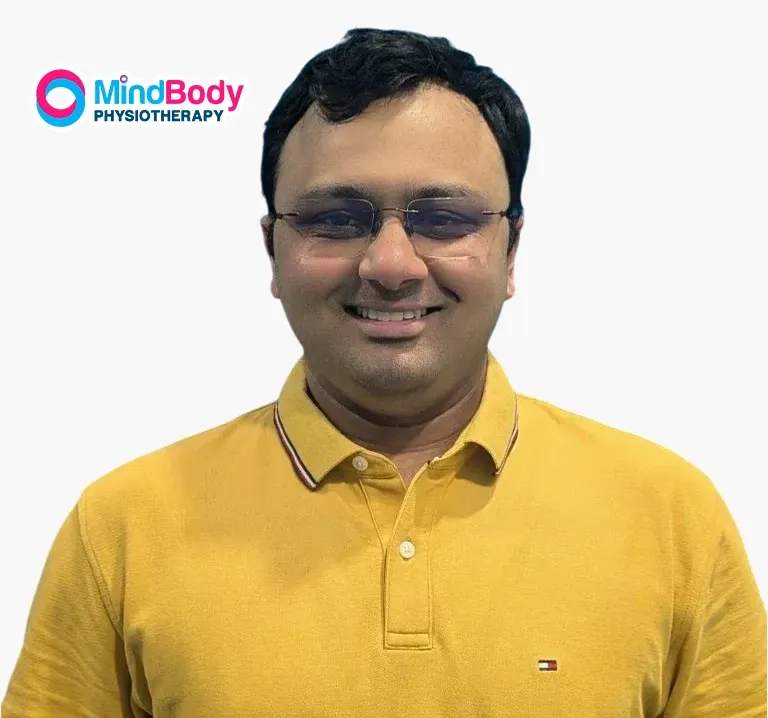
Manthan Joshi
Registered Physiotherapist
When choosing a physiotherapist, clinical knowledge, practical skills, and continued professional development all play an important role.
Manthan Joshi is a registered physiotherapist who focuses on identifying movement dysfunction and restoring normal physical function through evidence-informed physiotherapy.
Clinical Areas of Focus
- Dry Needling
- Manual Therapy
- Sports Injury Rehabilitation
- Functional Rehabilitation
- Chronic Musculoskeletal Pain
- Biomechanical Assessment
- Movement Analysis
Treatment Philosophy
Manthan believes that restoring efficient movement begins with identifying the source of dysfunction rather than concentrating solely on the painful area.
His treatment sessions combine careful assessment with hands-on physiotherapy, movement correction, and progressive exercise programs aimed at improving mobility, strength, and joint stability.
Rather than relying on passive treatment alone, patients receive practical strategies they can continue outside the clinic to support ongoing progress.
Education and Professional Development
Manthan continues to expand his clinical knowledge through ongoing education in orthopedic rehabilitation, dry needling, manual therapy, and movement science.
Remaining current with emerging research allows him to incorporate contemporary physiotherapy practices into patient care.
Registration
- Registered Physiotherapist
- Practicing in accordance with Alberta physiotherapy standards and professional regulations
Clinical Experience
His work includes assessment and rehabilitation of:
- Sports injuries
- Muscle strains
- Joint dysfunction
- Neck pain
- Shoulder conditions
- Back pain
- Hip conditions
- Knee injuries
- Chronic musculoskeletal conditions
- Movement dysfunction
Every rehabilitation program begins with a detailed assessment and is adjusted according to each patient’s progress throughout treatment.
Google Reviews
Patients often share positive feedback about their physiotherapy journey at MindBody Physiotherapy & Wellness.
Many reviews mention:
- Friendly clinic environment
- Clear communication throughout treatment
- Thorough assessments
- Professional physiotherapy care
- Practical home exercise programs
- Improved mobility and function
- Convenient booking process
Patient feedback helps new visitors understand what they can expect when visiting our clinic.
Frequently Asked Questions
Does dry needling hurt?
Most patients describe the sensation as mild. You may notice a brief pinch or a quick muscle twitch when the needle reaches a trigger point. Temporary soreness afterward is common and usually settles within one or two days.
Is dry needling the same as acupuncture?
No.
Dry needling is based on modern anatomy, physiology, and musculoskeletal assessment. Acupuncture is based on traditional Chinese medicine principles. Although both use thin needles, their assessment methods and treatment goals differ.
Is dry needling safe?
When performed by a qualified Registered Physiotherapist using sterile, single-use needles and appropriate clinical procedures, dry needling is generally considered a safe treatment for suitable candidates.
Your physiotherapist reviews your medical history before treatment begins.
How quickly will I notice results?
Some patients notice improved movement immediately after treatment.
Others experience temporary soreness first before noticing changes over the following day or two.
Responses vary depending on the condition being treated and the rehabilitation program.
Can dry needling help with sports injuries?
Yes.
Dry needling is commonly incorporated into sports rehabilitation for muscle strains, overuse injuries, movement restrictions, and training-related muscle dysfunction.
It is combined with strengthening exercises and functional rehabilitation to support a safe return to activity.
Will I need exercises after treatment?
Yes.
Exercise is an important component of physiotherapy.
Strengthening, mobility work, and movement retraining help maintain the improvements achieved during treatment.
Can I drive after my appointment?
Most patients are able to drive home immediately following treatment.
If a heavily used muscle becomes temporarily sore, your physiotherapist will discuss any activity modifications that may be appropriate.
What should I wear?
Loose, comfortable clothing that allows access to the treatment area is recommended.
Shorts are useful for lower-body treatment, while sleeveless or loose-fitting shirts make shoulder and neck treatment easier.
Do I need a doctor’s referral?
A physician referral is not required to book a physiotherapy assessment in Alberta.
However, some insurance providers may request one for reimbursement, so it is worth checking your individual policy.
How do I know if dry needling is right for me?
The first step is a physiotherapy assessment.
Your physiotherapist will determine whether dry needling is appropriate based on your symptoms, physical examination, health history, and rehabilitation goals.
Get Started
If muscle tightness, trigger points, or movement restrictions are limiting your daily activities, physiotherapy may help identify the source of the problem.
At MindBody Physiotherapy & Wellness, Dry Needling in Edmonton is incorporated into a structured rehabilitation program focused on improving movement, restoring function, and helping you return to the activities that matter most.
Whether you’re recovering from a sports injury, managing persistent muscle tension, or addressing recurring joint discomfort, our team is here to help you take the next step.
Book your physiotherapy assessment at MindBody Physiotherapy & Wellness today.
Address: 16537 Rabbit Hill Rd SW, Edmonton, AB T6W 5P4, Canada
Phone: +1 780-755-0340