

- 16537 Rabbit hill Road SW, Edmonton AB T6W 5P4
- Mon to Fri 9am to 8pm | Sat : 9am to 1 pm | Sun : Closed
 Wed Jul 1
Why Understanding Shoulder Pain Matters
Shoulder pain can affect your ability to work, exercise, sleep, and perform everyday activities. Shoulder Pain Treatment focuses on identifying the root cause of discomfort and restoring normal shoulder function through evidence-based care. Since the shoulder is one of the most mobile joints in the body, it is also highly vulnerable to injuries, overuse, and age-related conditions. Understanding the causes of shoulder pain and the available treatment options can help you recover faster and prevent future problems.
Understanding Shoulder Pain
The shoulder consists of muscles, tendons, ligaments, bones, and joints that work together to provide a wide range of motion. When any of these structures become injured or irritated, pain and restricted movement can occur.
Common symptoms include:
- Pain during movement
- Difficulty lifting the arm
- Weakness in the shoulder
- Stiffness and reduced Mobility
- Pain while sleeping
- Clicking or grinding sensations
- Swelling or inflammation
Early diagnosis and proper treatment can prevent minor issues from becoming chronic conditions.
Common Causes of Shoulder Pain
Rotator Cuff Injuries
The rotator cuff is a group of muscles and tendons that stabilize the shoulder joint. Repetitive overhead movements, sports activities, or aging can cause tears or inflammation in these tissues.
Frozen Shoulder
Frozen shoulder occurs when the connective tissue around the shoulder joint thickens and tightens. This condition often causes severe stiffness and limited movement.
Shoulder Impingement Syndrome
Shoulder impingement develops when tendons become compressed between the bones of the shoulder during movement. This condition commonly affects athletes and individuals who perform repetitive overhead tasks.
Tendinitis and Bursitis
Inflammation of tendons or bursae can cause persistent pain and discomfort. These conditions often result from repetitive strain or overuse.
Arthritis
Osteoarthritis and other forms of arthritis can gradually wear down joint cartilage, leading to pain, stiffness, and reduced function.
Sports and Workplace Injuries
Athletes and workers who frequently lift, push, pull, or throw may experience shoulder injuries due to repetitive stress or sudden trauma.
How Is Shoulder Pain Diagnosed?
A physiotherapist or healthcare professional performs a comprehensive assessment to determine the source of pain.
The evaluation may include:
- Medical history review
- Physical examination
- Range-of-motion testing
- Strength assessment
- Functional movement analysis
- Imaging referrals when necessary
Accurate diagnosis allows for a personalized treatment plan that addresses the underlying cause rather than simply managing symptoms.
Effective Shoulder Pain Treatment Options
The most effective Shoulder Pain Treatment depends on the specific condition, severity of symptoms, and individual recovery goals.
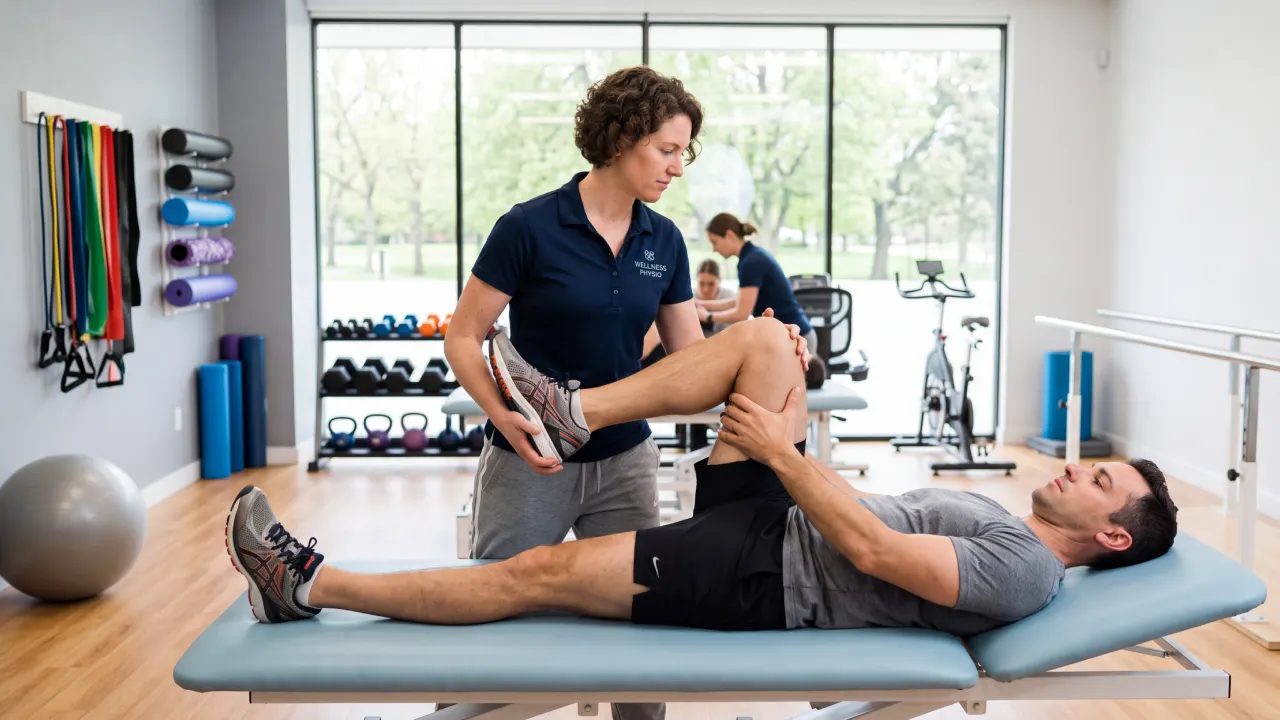
Physiotherapy
Physiotherapy remains one of the most effective non-surgical approaches for shoulder pain recovery.
Benefits include:
- Improved Mobility
- Reduced pain
- Increased strength
- Better Posture
- Enhanced shoulder stability
- Lower risk of re-injury
A customized rehabilitation program targets the muscles and joints responsible for the problem.
Manual Therapy
Manual therapy techniques help reduce stiffness and improve joint Mobility. Physiotherapists use hands-on methods to restore normal movement patterns.
Exercise Rehabilitation
Targeted exercises strengthen weak muscles and improve flexibility.
Common exercises may focus on:
- Rotator cuff strengthening
- Scapular stabilization
- Postural correction
- Mobility restoration
- Functional movement training
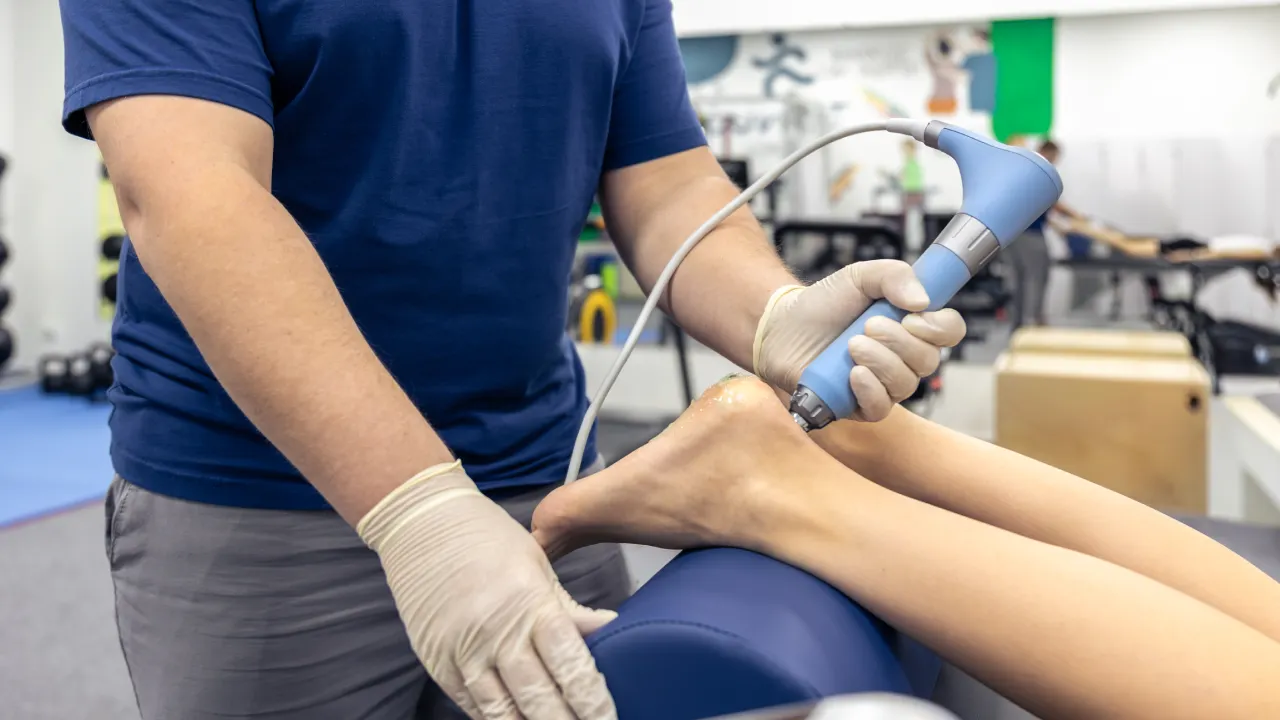
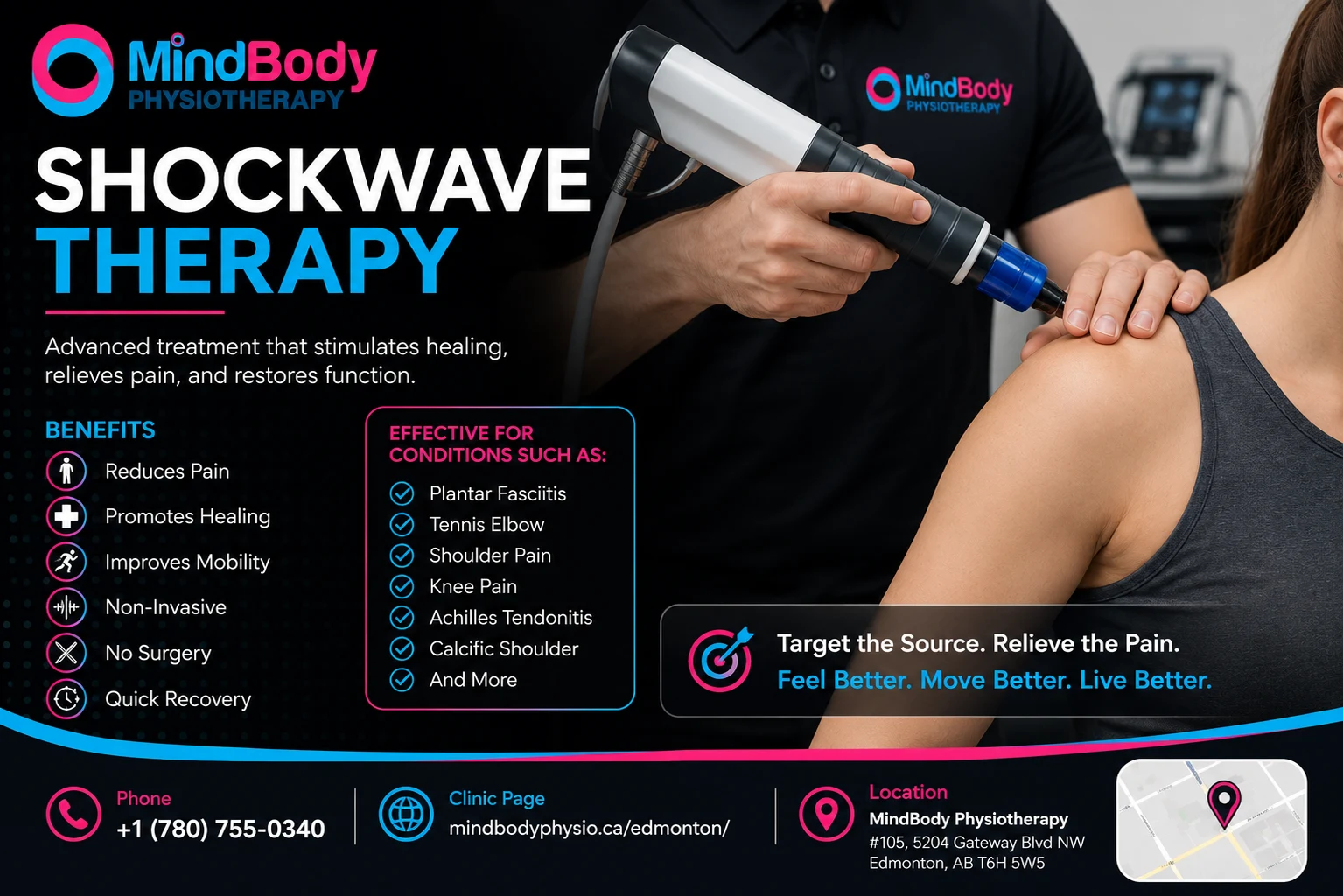
Shockwave Therapy
For certain chronic shoulder conditions, shockwave therapy may help stimulate healing and reduce pain.
Dry Needling
Dry needling can release muscle tension and improve shoulder function when combined with a rehabilitation program.
Preventing Future Shoulder Problems
Prevention plays an important role in long-term shoulder health.
Consider these strategies:
- Maintain good Posture
- Warm up before exercise
- Strengthen shoulder muscles regularly
- Avoid repetitive overuse
- Use proper lifting techniques
- Address minor pain early
- Follow a balanced exercise program
Many patients seeking Shoulder Pain Treatment benefit from learning proper movement mechanics that reduce strain on the shoulder joint.
When Should You Seek Professional Help?
You should consult a healthcare professional if:
- Pain lasts longer than a few days
- Movement becomes restricted
- Weakness develops in the arm
- Sleep is affected by shoulder pain
- Symptoms worsen over time
- Daily activities become difficult
Delaying treatment may prolong recovery and increase the risk of long-term complications.
Recovery Expectations
Recovery time depends on several factors, including:
- The cause of the pain
- Severity of the condition
- Overall health
- Consistency with treatment
- Activity level
Some patients improve within a few weeks, while others require several months of rehabilitation. Following professional guidance and completing prescribed exercises can significantly improve outcomes.
Before considering invasive procedures, many healthcare providers recommend conservative Shoulder Pain Treatment approaches, as they often yield excellent long-term results.
Frequently Asked Questions
What is the most common cause of shoulder pain?
Rotator cuff injuries, tendon inflammation, and shoulder impingement are among the most common causes of shoulder pain.
Can shoulder pain go away on its own?
Minor shoulder pain may improve with rest, but persistent symptoms often require professional assessment and treatment.
How long does shoulder pain take to heal?
Recovery can range from a few weeks to several months depending on the condition and treatment plan.
Is physiotherapy effective for shoulder pain?
Yes. Physiotherapy helps improve Mobility, reduce pain, strengthen muscles, and restore function.
What exercises help shoulder pain?
Stretching, Mobility exercises, and strengthening programs designed by a physiotherapist often provide the best results.
When should I see a physiotherapist for shoulder pain?
You should seek help if pain persists, limits movement, or interferes with daily activities.
Can poor Posture cause shoulder pain?
Yes. Poor Posture places additional stress on shoulder muscles and joints, leading to discomfort over time.
Is Surgery necessary for shoulder pain?
Most shoulder conditions improve with conservative care, and Surgery is often considered only when non-surgical treatments fail.
Can athletes benefit from Shoulder Pain Treatment?
Yes. Athletes frequently use rehabilitation programs to recover from injuries and improve shoulder performance.
What is the best Shoulder Pain Treatment for long-term recovery?
The best approach combines accurate diagnosis, physiotherapy, targeted exercises, and lifestyle modifications tailored to the individual.
Conclusion
Persistent shoulder pain should never be ignored. Effective Shoulder Pain Treatment focuses on identifying the root cause, reducing pain, restoring movement, and preventing future injuries. With early intervention and a personalized rehabilitation plan, most individuals can regain strength, Mobility, and Confidence in their daily activities. Seeking professional care at the first sign of ongoing discomfort can lead to faster, more successful recovery.
Contact Us
Our experienced team provides personalized assessments and evidence-based treatment plans to help you recover from shoulder pain and improve your quality of life. Contact Mindbody Physio today to schedule an appointment and start your recovery journey.
Your Location: https://maps.app.goo.gl/42hEdcmazWWtFx6U9






Get the physiotherapy you deserve!
Call us anytime