

- 16537 Rabbit hill Road SW, Edmonton AB T6W 5P4
- Mon to Fri 9am to 8pm | Sat : 9am to 1 pm | Sun : Closed
 Wed Sep 23
 How Physiotherapy May Support Mobility and Manage Stiffness
Stiffness can make ordinary movements feel difficult. Getting out of bed, walking upstairs, reaching for an item, turning the neck, or standing after sitting for a long period may become uncomfortable when joints and muscles do not move freely. Reduced mobility can also affect exercise, work, household activities, and participation in hobbies.
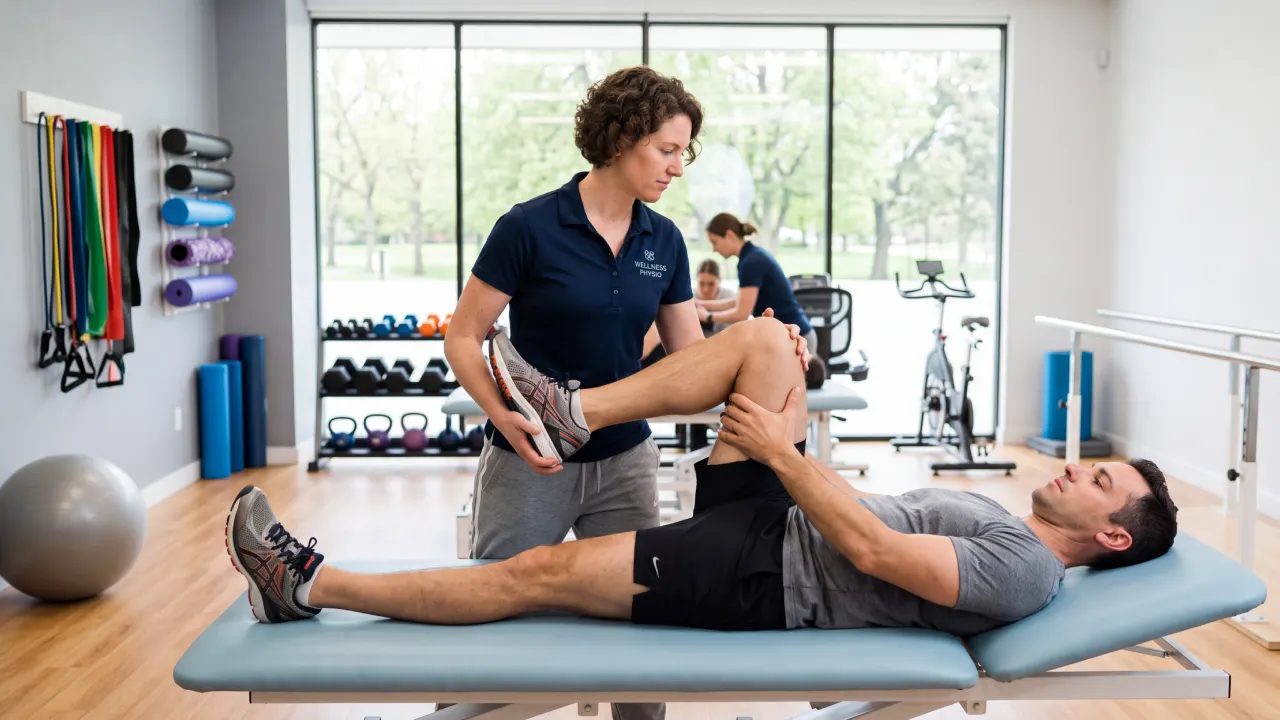
For people in Edmonton dealing with stiffness or movement limitations, Physiotherapy may be part of a structured plan focused on improving movement, building strength, and supporting everyday function. The approach may include exercises, mobility drills, manual techniques, posture work, movement education, and activity modifications based on the person’s condition.
Stiffness can develop for many reasons. A period of inactivity, an injury, repetitive movement, prolonged sitting, joint changes, muscle weakness, or recovery after surgery may all contribute. Because the cause can vary from person to person, identifying the factors affecting movement is an important first step.
What Causes Stiffness and Reduced Mobility?
Stiffness is not limited to one part of the body. It may affect the neck, shoulders, back, hips, knees, ankles, wrists, or other joints. In some cases, stiffness appears after waking up. In others, it develops after remaining in one position for several hours.
Common factors include:
- Extended periods of sitting
- Limited physical activity
- Muscle weakness
- Previous injuries
- Repetitive movements
- Poor movement habits
- Joint-related changes
- Muscle tightness
- Recovery following surgery
- Sports-related strain
- Age-related changes in movement
When a joint or muscle is not moved regularly, its available range of motion may become restricted. At the same time, weakness in surrounding muscles can make movement feel more difficult.
Physiotherapy can assess movement patterns and identify areas that may be contributing to stiffness. The assessment may look at joint mobility, muscle strength, balance, posture, flexibility, walking patterns, and functional movements.
Can Physiotherapy Help Reduce Stiffness?
For many people, Physiotherapy may help address stiffness through gradual movement and exercise. The specific approach depends on the underlying cause, the affected area, current mobility, strength, and daily activities.
A treatment plan may include controlled stretching, active range-of-motion exercises, strengthening movements, balance activities, manual techniques, and education about safe movement.
The aim is not simply to move a joint repeatedly. Exercises are selected according to the person’s functional needs. For example, someone with shoulder stiffness may need movements that gradually improve reaching and lifting. A person with knee stiffness may work on bending, straightening, strength, balance, and walking mechanics.
Consistency can also matter. Completing appropriate exercises regularly may help maintain movement between appointments.
How Does Physiotherapy Support Mobility?
Mobility refers to the ability to move a body part or the body as a whole through the movements required for daily life. It involves flexibility, joint movement, muscle strength, coordination, balance, and control.
Physiotherapy may support mobility by addressing several of these factors together.
For example, a person with limited hip movement may also have weakness in the muscles around the hip and lower body. Simply stretching the area may not address every factor involved. A structured exercise plan may include mobility movements alongside strengthening and balance work.
Similarly, someone with neck stiffness may need a combination of controlled neck movements, posture exercises, upper-back mobility work, and strengthening exercises.
The goal is to help people gradually perform useful movements with greater control and confidence.
6 Benefits of Physiotherapy Exercises for Strength and Mobility
1. Supports Joint Movement
Regular movement can help maintain the available range of motion around a joint. Exercises may involve gentle movements through a comfortable range, allowing the body to gradually work on movement control.
For example, ankle mobility exercises can be useful for activities such as walking, climbing stairs, and changing direction. Shoulder mobility exercises may support reaching, dressing, and lifting.
The type and amount of movement should match the person’s condition.
2. Builds Muscle Strength
Weak muscles can make everyday movements more demanding. Strength exercises can target muscles that support the spine, hips, knees, shoulders, arms, and other areas.
Progressive strengthening may include bodyweight movements, resistance bands, weights, or other forms of resistance. The amount of resistance can be adjusted according to current ability.
Improving strength may help with activities such as standing from a chair, walking, carrying objects, or climbing stairs.
3. Supports Balance and Coordination
Mobility is not only about flexibility. Balance and coordination also play an important role in safe movement.
Exercises may challenge a person’s ability to control their body while standing, walking, changing direction, or moving from one position to another.
Balance exercises can be particularly relevant for people who feel unsteady during everyday activities or who are returning to activity after an injury.
4. Encourages Regular Physical Activity
Stiffness can sometimes make people hesitant to move. Appropriate exercises can provide a structured way to introduce movement gradually.
A manageable exercise routine may make it easier to remain physically active while paying attention to body responses.
Regular activity can also support general physical function, muscle conditioning, and movement capacity.
5. Supports Functional Movement
Exercise can be selected around activities that matter in everyday life.
For instance, a program may include squatting movements for getting in and out of a chair, stepping exercises for stairs, reaching movements for household tasks, or walking drills for community mobility.
This functional focus connects exercise with practical daily movements.
6. Helps Maintain Progress Between Sessions
Exercises performed outside the clinic can reinforce movement practice. A home exercise plan may include a small number of movements that can be completed regularly.
The exercises may change as strength, mobility, coordination, or activity levels change. Following the recommended frequency and technique can help maintain consistency.
What Happens During a Physiotherapy Assessment?
A Physiotherapy assessment generally begins with questions about symptoms, daily activities, previous injuries, health history, and movement concerns.
The practitioner may then assess areas such as
- Joint range of motion
- Muscle strength
- Flexibility
- Balance
- Posture
- Walking patterns
- Functional movements
- Movement coordination
The assessment helps identify factors that may be contributing to restricted movement.
For example, limited knee mobility may be associated with weakness, joint stiffness, swelling, altered walking mechanics, or a combination of factors. Identifying these factors can help shape the exercise and movement plan.
How Exercise May Be Progressed
Exercise does not necessarily remain at the same level throughout a program. As movement capacity changes, exercises may be adjusted.
Progression might involve:
- Increasing repetitions
- Adding resistance
- Increasing movement range
- Introducing balance challenges
- Adding functional movements
- Changing exercise positions
- Combining strength and mobility exercises
Progress should be appropriate for the individual’s condition. Performing an exercise at a level that is too demanding may increase symptoms or make the movement difficult to control.
A gradual approach allows the person to focus on technique and body control.
Can Stiffness Be Related to Prolonged Sitting?
Yes. Sitting for extended periods can reduce the amount of movement performed throughout the day. People who spend several hours at a desk, driving, studying, or working from home may notice stiffness when standing after a prolonged period.
Regular movement breaks can help introduce more activity into the day.
Simple strategies may include:
- Standing periodically
- Walking for a few minutes
- Changing sitting positions
- Performing gentle mobility movements
- Adjusting workstation positioning
- Including strengthening exercises in a weekly routine
These habits can complement a structured movement plan.
Physiotherapy for Different Areas of the Body
Different body regions may require different approaches.
Neck and Upper Back
Neck stiffness may affect turning the head, checking blind spots while driving, working at a computer, or looking up and down. Exercises may focus on controlled neck movement, upper-back mobility, posture, and muscle strength.
Shoulders
Shoulder stiffness can interfere with reaching overhead, putting on clothing, lifting objects, and other household activities. Movement exercises may be combined with strengthening and shoulder blade control.
Lower Back
Back stiffness may affect bending, standing, walking, lifting, and prolonged sitting. Depending on the cause, an exercise program may include trunk strengthening, hip mobility, movement control, and functional exercises.
Hips and Knees
Hip and knee stiffness can affect walking, stairs, squatting, and standing from a chair. Strength and mobility exercises can target the muscles and movements involved in these activities.
Ankles and Feet
Ankle movement contributes to walking, balance, stair use, and changes in direction. Mobility and strengthening exercises may help address movement restrictions and lower-limb control.
When Should You Seek Professional Assessment?
Stiffness that persists, repeatedly returns, or interferes with everyday activities may warrant an assessment.
Professional assessment can be particularly relevant when stiffness occurs alongside:
- Significant swelling
- Weakness
- Numbness or tingling
- Difficulty walking
- Loss of movement
- Repeated injuries
- Changes following an accident
- Difficulty completing normal daily activities
Sudden or severe symptoms may require prompt medical assessment.
What Can You Do at Home to Support Mobility?
A regular movement routine can complement clinical care. The exact exercises should depend on the person’s condition, but general habits may include taking movement breaks, walking regularly, performing prescribed exercises, and avoiding prolonged periods in one position.
Warm-up activities before exercise can also prepare the body for movement. After activity, gentle mobility exercises may help maintain movement.
It is important not to force a joint beyond a comfortable range or continue an exercise that causes significant or unusual symptoms.
How MindBody Physiotherapy & Wellness Can Help in Edmonton
At MindBody Physiotherapy & Wellness in Edmonton, Physiotherapy can focus on movement limitations, stiffness, strength, balance, and functional activity.
An assessment can help identify areas that may be affecting mobility and determine which exercises or movement strategies may be appropriate. The program can then be adjusted according to progress, activity requirements, and daily goals.
Whether stiffness is affecting the neck, shoulder, back, hip, knee, ankle, or another area, addressing movement through structured exercise can be an important part of maintaining physical function.
If stiffness is making everyday activities difficult, speaking with a qualified practitioner can help you learn more about the factors affecting your movement and the options available.
Frequently Asked Questions
1. Can Physiotherapy Help with Morning Stiffness?
Physiotherapy may help address morning stiffness when it is related to reduced mobility, muscle weakness, movement limitations, or other musculoskeletal factors. An assessment can help identify possible contributors and determine suitable exercises.
2. How Often Should Mobility Exercises Be Done?
The frequency depends on the exercise, the person’s condition, and the goals of the program. Some movements may be appropriate daily, while strengthening exercises may require recovery time between sessions. Follow the schedule recommended by your practitioner.
3. Can Exercise Make Stiffness Worse?
Some temporary muscle soreness can occur when starting or progressing exercise. However, significant or unusual symptoms should not be ignored. Exercise intensity, technique, range, and frequency may need to be reviewed.
4. Can Physiotherapy Help After an Injury?
Yes. Physiotherapy may be used during recovery from various musculoskeletal injuries. Treatment can include mobility exercises, strengthening, balance work, movement retraining, and gradual return to activities.
5. How Long Does It Take to Improve Mobility?
The timeframe varies according to the cause of stiffness, severity of movement restriction, general activity level, consistency with exercises, and other individual factors. Some people notice changes relatively quickly, while others require a longer period of structured exercise.
Take the Next Step Toward Improved Mobility
Stiffness can affect movement in ways that extend into work, exercise, household activities, and everyday routines. A structured plan that addresses mobility, strength, balance, and movement control may help support functional improvement.
If you are in Edmonton and stiffness is affecting your daily activities, contact MindBody Physiotherapy & Wellness to discuss your movement concerns and arrange an assessment. A practitioner can assess your current mobility and help determine appropriate exercises and movement strategies for your needs.
Phone: +1 780-755-0340
Address: 16537 Rabbit Hill Rd SW, Edmonton, AB T6W 5P4, Canada






Get the physiotherapy you deserve!
Call us anytime
