

- 16537 Rabbit hill Road SW, Edmonton AB T6W 5P4
- Mon to Fri 9am to 8pm | Sat : 9am to 1 pm | Sun : Closed
 Thu Aug 6
Dry Needling in Edmonton
What is Dry Needling?
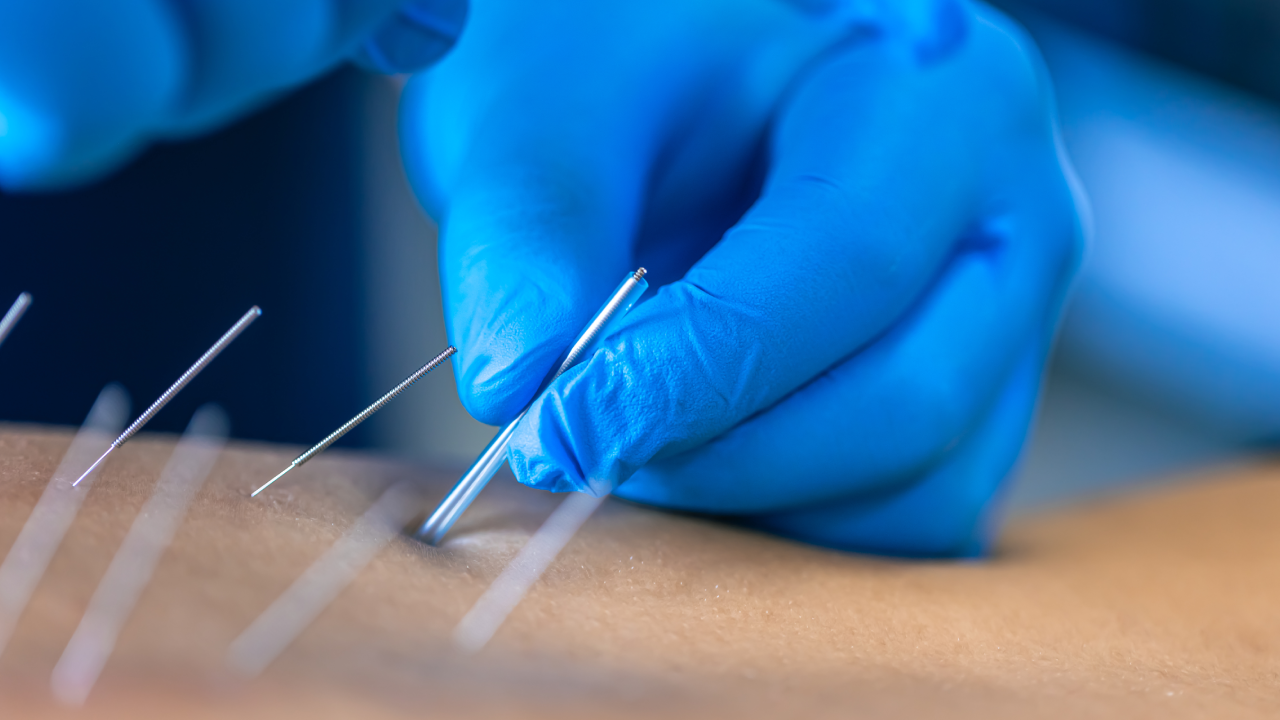
Dry needling is a physiotherapy technique that uses very thin, sterile needles to target tight muscle areas, often known as trigger points. These points can develop when muscles remain tense, overloaded, or affected by repetitive movements. The goal of dry needling in edmonton is to support normal muscle function, improve movement patterns, and help reduce discomfort linked with muscle tension.
At MindBody Physiotherapy & Wellness, our team uses dry needling as part of a complete physiotherapy plan focused on improving mobility, strength, and physical function. Each session begins with an assessment of your movement, muscle activity, and daily challenges to determine whether dry needling may be suitable for your condition.
Located at 16537 Rabbit Hill Rd SW, Edmonton, AB T6W 5P4, Canada, MindBody Physiotherapy & Wellness provides physiotherapy care for people dealing with sports injuries, muscle tightness, joint concerns, and ongoing physical limitations.
Call +1 780-755-0340 to schedule an appointment with our physiotherapy team.
What are the Benefits of Dry Needling?
Dry needling may help address several muscle and movement-related concerns. When combined with physiotherapy exercises and manual therapy, it can support improvements in mobility and daily function.
Common benefits may include:
- Reduced muscle tightness and stiffness
- Improved range of motion
- Better muscle activation during movement
- Support for recovery after physical strain
- Improved flexibility in restricted areas
- Assistance with managing muscle-related discomfort
- Improved movement patterns during sports and daily activities
Dry needling in Edmonton works by creating a small response within the targeted muscle area. This response may encourage the muscle to relax and allow improved circulation around the treated region.
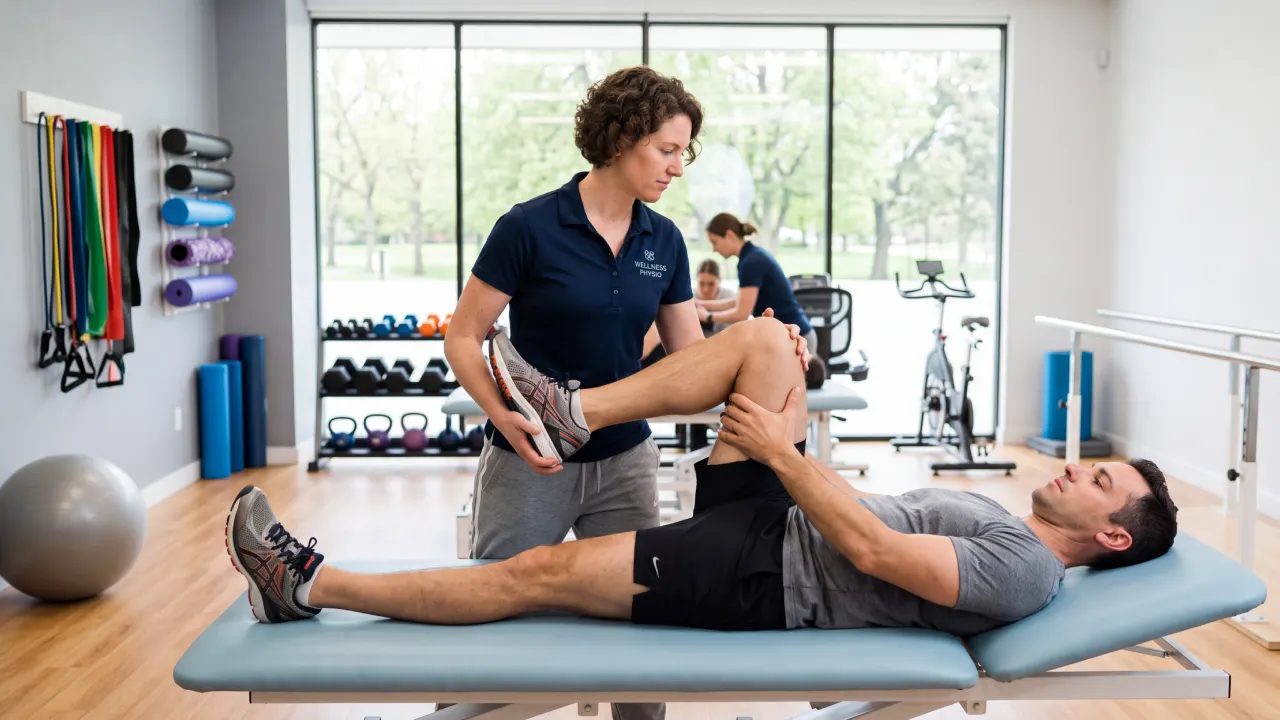
At MindBody Physiotherapy & Wellness, dry needling is not used as a standalone method. Our physiotherapy team combines assessment findings with exercise plans, mobility work, and movement correction to address the factors contributing to your condition.
Conditions We Treat
Dry Needling in Edmonton may be used for various musculoskeletal conditions affecting muscles, joints, and movement. The technique may be included as part of physiotherapy care for:
Neck Pain
Tight muscles around the neck and upper shoulders can develop from postural habits, computer work, stress, or physical activity. Dry needling may help loosen restricted muscles and support improved neck movement.
Back Pain
Lower back discomfort may involve muscle tension, weakness, or movement limitations. Dry Needling in Edmonton can be used alongside physiotherapy exercises to support improved mobility and strength.
Shoulder Problems
Shoulder conditions involving muscle tightness or restricted movement may benefit from a treatment plan that includes dry needling, mobility exercises, and strengthening.
Sports Injuries
Athletes often experience muscle overload from training, repetitive movements, or sudden changes in activity levels. Dry needling may be included within sports injury rehabilitation to support muscle recovery and movement quality.
Tennis Elbow
Tightness around the forearm muscles can contribute to elbow discomfort. Dry Needling in Edmonton may help address muscle tension affecting the area.
Hip and Glute Pain
Muscle restrictions around the hips and glute region can affect walking, running, and exercise performance. Dry needling may support improved muscle function.
Sciatica-Related Muscle Tightness
Some people with sciatic symptoms may have muscle tension affecting movement. Physiotherapy assessment helps determine whether dry needling is appropriate within their care plan.
Muscle Knots and Trigger Points
Trigger points are sensitive areas within muscles that may cause local or referred discomfort. Dry needling directly targets these areas to support improved muscle response.
How Treatment Works?
Dry Needling in Edmonton uses thin needles that are inserted into specific muscle areas identified during your physiotherapy assessment. Unlike acupuncture, which is based on traditional Chinese medicine principles, dry needling focuses on muscles, connective tissues, and movement-related dysfunction.
The process usually involves:
Initial Assessment – Your physiotherapist reviews your symptoms, movement patterns, activity levels, and medical history. This helps identify the areas contributing to your concern.
Identifying Treatment Areas – The physiotherapist locates muscles with increased tension, reduced movement, or trigger points that may respond to dry needling.
Needle Placement – A sterile, single-use needle is carefully inserted into the targeted muscle area. Most people feel a small prick or brief muscle twitch during treatment.
Muscle Response – The needle may create a local response within the muscle, which can help reduce tension and support improved muscle function.
Follow-Up Care – Dry needling is often combined with stretching, strengthening exercises, posture correction, or movement training to support progress after treatment.
Who is a good candidate for dry needling?
Dry Needling in Edmonton may be suitable for people experiencing muscle-related concerns, movement restrictions, or sports-related issues. A physiotherapy assessment helps determine whether this approach matches your needs.
You may be considered for dry needling if you have:
- Persistent muscle tightness
- Limited joint movement
- Sports-related muscle strain
- Trigger points affecting daily activities
- Muscle discomfort linked with posture or repetitive tasks
- Difficulty returning to physical activities after an injury
Your physiotherapist will review your condition before beginning treatment and discuss whether dry needling fits within your physiotherapy plan.
When Should You Avoid Dry Needling?
Although dry needling is considered safe for many people, it may not be suitable in certain situations.
You should inform your physiotherapist if you:
- Have a bleeding disorder
- Take blood-thinning medication.
- Have an active infection near the treatment area
- Are pregnant and have concerns about specific treatment areas
- Have a medical condition that affects healing or immune function
- Feel uncomfortable with needle-based procedures
A full assessment allows our team to make appropriate decisions regarding your care.
Why Choose MindBody Physiotherapy & Wellness?
MindBody Physiotherapy & Wellness provides physiotherapy services in Edmonton with a focus on movement improvement, injury recovery, and functional rehabilitation.
Our dry needling clinic in edmonton combines hands-on treatment methods with exercise-based rehabilitation to help clients work toward their mobility goals. We focus on identifying movement limitations, improving physical function, and creating care plans based on each person’s condition.
Our clinic is located in Windermere at:
16537 Rabbit Hill Rd SW
Edmonton, AB T6W 5P4, Canada
For appointments, call: +1 780-755-0340
Meet Our Physiotherapist
Manthan Joshi
Registered Physiotherapist
Manthan Joshi is a Registered Physiotherapist at MindBody Physiotherapy & Wellness. His clinical focus includes Manual Therapy, Dry Needling, sports injury rehabilitation, chronic pain management, and biomechanical optimization.
Manthan has advanced training in manual therapy and dry needling in Edmonton. His approach combines hands-on methods with evidence-based exercise programs focused on improving mobility, strength, and physical performance.
He works with clients dealing with complex musculoskeletal concerns by assessing movement patterns and identifying factors that may contribute to ongoing limitations. His treatment plans connect clinical care with functional goals, helping people return to activities that matter to them.
Manthan is committed to ongoing learning in orthopedic rehabilitation and uses current research when planning physiotherapy care.
Education and Registration
Name: Manthan Joshi
Title: Registered Physiotherapist
Clinical Focus: Sports injury rehabilitation, chronic pain management, biomechanical optimization
Training Areas: Manual Therapy and Dry Needling
Registration: Registered Physiotherapist in Alberta
Client Reviews
“Highly recommended, great job by Manthan Joshi. Great work by him.”
— Mac Rajpal
“Great place for physiotherapy! The staff is excellent and very welcoming. Manthan is a fantastic physiotherapist—kind, knowledgeable, and very professional. The clinic is neat, clean, and well maintained.”
— Vrajesh Modi
“I had been struggling with chronic lower back pain for over two years. Dr. Manthan Joshi took the time to assess my condition and explain everything clearly. Within 6 weeks, I was back to doing activities I thought I would never enjoy again. The Windermere clinic is clean and welcoming, and the entire staff is warm and professional.”
— Vikas Shah
Insurance Coverage
Many extended health insurance plans in Alberta include physiotherapy services, which may cover appointments involving dry needling in edmonton when provided by a registered physiotherapist. Coverage depends on your individual insurance provider, plan details, and available benefits.
Before starting treatment, we recommend checking your policy or contacting your insurance company to confirm:
- Whether physiotherapy services are included in your plan
- Your annual coverage limit
- Whether a doctor’s referral is required
- Whether dry needling performed by a physiotherapist is included
At MindBody Physiotherapy & Wellness, our team can provide the required documentation, receipts, and treatment details needed for insurance claims.
If you are unsure about your coverage, contact our clinic, and our staff can help explain the information required before your appointment.
Before & After Treatment
Before Your Dry Needling Session
Your first appointment begins with a detailed physiotherapy assessment. During this visit, your physiotherapist reviews:
- Your current symptoms
- Previous injuries
- Daily activities
- Work or sports demands
- Movement patterns
- Muscle strength and flexibility
This assessment helps determine which areas may require attention and whether dry needling is suitable for your condition.
Before your session, you can prepare by:
- Wearing comfortable clothing that allows access to the treatment area
- Sharing details about your health history
- Informing your physiotherapist about any medications or medical concerns
- Staying hydrated
During Treatment
During dry needling, your physiotherapist uses sterile, single-use needles placed into specific muscle areas. The sensation varies from person to person.
Some people may notice:
- A small prick when the needle enters
- A brief twitching sensation in the muscle
- A feeling of pressure around the treatment area
The session is performed carefully, and your physiotherapist monitors your comfort throughout the process.
After Treatment
After dry needling, some people notice temporary changes around the treated area. These may include:
- Mild soreness
- Muscle fatigue
- Temporary tenderness
- Small marks around the needle site
These responses usually settle naturally. Your physiotherapist may recommend movement exercises, stretching, or activity adjustments after your appointment.
Following the aftercare instructions provided by your physiotherapist can help support your recovery process.
Recovery After Dry Needling in Edmonton
Recovery after dry needling varies depending on the condition being treated, the area involved, and your overall health.
Many people return to regular activities shortly after treatment. However, your physiotherapist may recommend modifying certain activities if the treated muscles need time to adjust.
During recovery, you may be advised to:
- Drink enough water.
- Continue recommended exercises
- Avoid excessive strain immediately after treatment
- Maintain gentle movement
- Follow your physiotherapy plan.
Dry Needling Treatment in Edmonton is commonly combined with rehabilitation exercises because improving muscle function often requires addressing strength, flexibility, coordination, and movement habits.
At MindBody Physiotherapy & Wellness, our team monitors your progress and adjusts your treatment plan according to your response.
How Long Does Dry Needling Treatment Take?
The duration of a dry needling session depends on your condition and the number of areas being treated.
A typical appointment may include:
- Physiotherapy assessment
- Discussion of symptoms and progress
- Dry needling treatment
- Exercise recommendations
- Movement advice
Sessions may range from approximately 15 to 45 minutes depending on your needs and overall physiotherapy plan.
Your physiotherapist will explain the expected session length during your appointment.
How Many Sessions Are Required?
The number of dry needling sessions required varies from person to person.
Factors that may influence the number of visits include:
- Type of condition
- Duration of symptoms
- Activity level
- Muscle involvement
- Response to treatment
- Rehabilitation goals
Some people may notice changes after a few sessions, while others may require a longer physiotherapy program involving strengthening and movement training.
Your physiotherapist will review your progress regularly and adjust your care plan when needed.
How the Technology Works
Dry needling treatment in Edmonton does not use medication or electrical stimulation. Instead, it uses thin needles to target specific areas within muscles.
When the needle reaches a trigger point, the muscle may produce a brief twitch response. This response may help reduce muscle tension and encourage improved movement.
The process involves:
- Identifying areas of muscle restriction
- Placing a sterile needle into the selected area
- Creating a local muscle response
- Supporting improved muscle function through rehabilitation exercises
The technique is based on modern musculoskeletal physiotherapy practices and focuses on the relationship between muscles, movement, and physical function.
Scientific Evidence Behind Dry Needling
Research has examined dry needling for various musculoskeletal conditions, including neck pain, shoulder discomfort, lower back concerns, and myofascial pain.
Studies suggest that dry needling may help with:
- Short-term reduction of muscle-related discomfort
- Improved range of motion
- Reduced trigger point sensitivity
- Improved physical function when combined with exercise therapy
Current research supports the use of dry needling as part of a broader physiotherapy program rather than as the only form of care.
At MindBody Physiotherapy & Wellness, treatment decisions are based on clinical assessment, current research, and your individual goals.
Frequently Asked Questions
Is dry needling the same as acupuncture?
No. Although both techniques use thin needles, they are based on different principles.
Dry needling in Edmonton is a physiotherapy method focused on muscles, trigger points, and movement-related concerns. Acupuncture is based on traditional Chinese medicine practices.
Does dry needling hurt?
Most people describe dry needling as a brief prick or small sensation during needle placement. Some may feel a short muscle twitch when the targeted area responds.
Your physiotherapist adjusts the treatment according to your comfort level.
Is dry needling safe?
Dry needling is considered safe when performed by a trained and registered physiotherapist using sterile equipment and proper procedures.
Temporary soreness or tenderness may occur after treatment.
Can dry needling help with sports injuries?
Dry needling may be included in sports injury rehabilitation programs to address muscle tightness, movement restrictions, and recovery challenges.
A physiotherapy assessment helps determine whether it fits your condition.
How quickly will I notice changes after dry needling?
The response varies depending on your condition, activity level, and treatment plan. Some people notice changes shortly after treatment, while others require multiple sessions combined with rehabilitation exercises.
Can dry needling treat chronic pain?
Dry needling in edmonton may be used for certain chronic muscle-related conditions. Your physiotherapist will assess your symptoms and create a care plan based on your needs.
Are there side effects after dry needling?
Some people may experience temporary soreness, bruising, tenderness, or fatigue around the treated area. These effects typically improve after a short period.
Can I exercise after dry needling?
Your physiotherapist will advise you based on your condition. Light movement is often encouraged, while intense activity may need temporary adjustment.
Is a referral required for dry needling in Edmonton?
In many cases, physiotherapy services can be accessed without a doctor’s referral. However, some insurance providers may require specific documentation.
Checking with your insurance company can help confirm your requirements.
Book Dry Needling in Edmonton at MindBody Physiotherapy & Wellness.
If muscle tightness, movement restrictions, or sports-related concerns are affecting your daily activities, dry needling may be a suitable part of your physiotherapy care plan.
At MindBody Physiotherapy & Wellness, our registered physiotherapist Manthan Joshi provides dry needling and rehabilitation services focused on improving movement, strength, and physical function.
Visit our clinic: 16537 Rabbit Hill Rd SW, Edmonton, AB T6W 5P4, Canada.
Call us today: +1 780-755-0340.
Schedule your physiotherapy appointment and discuss whether dry needling is right for your condition.





Get the physiotherapy you deserve!
Call us anytime