

- 16537 Rabbit hill Road SW, Edmonton AB T6W 5P4
- Mon to Fri 9am to 8pm | Sat : 9am to 1 pm | Sun : Closed
 Wed Jul 22
Pain has a way of affecting every part of daily life. It can make climbing stairs difficult, interrupt sleep, reduce productivity at work, or stop you from enjoying sports and recreational activities. Many people try to manage discomfort with rest, stretching, or over-the-counter pain relievers, only to find that the problem keeps returning.
If you’ve been dealing with ongoing pain, you may have come across both shockwave therapy and physiotherapy as possible treatment options. While both approaches aim to improve movement and reduce discomfort, they work differently and are suited to different conditions.
For residents in Edmonton, choosing the right treatment starts with understanding the cause of the pain rather than simply managing the symptoms. At Mindbody Physio, every treatment plan begins with a detailed assessment to identify the source of the problem before recommending the most suitable approach.
This guide explains how shockwave therapy compares with physiotherapy, who can benefit from each treatment, and how combining both may help achieve improved results.
Understanding Shockwave Therapy vs. Physiotherapy
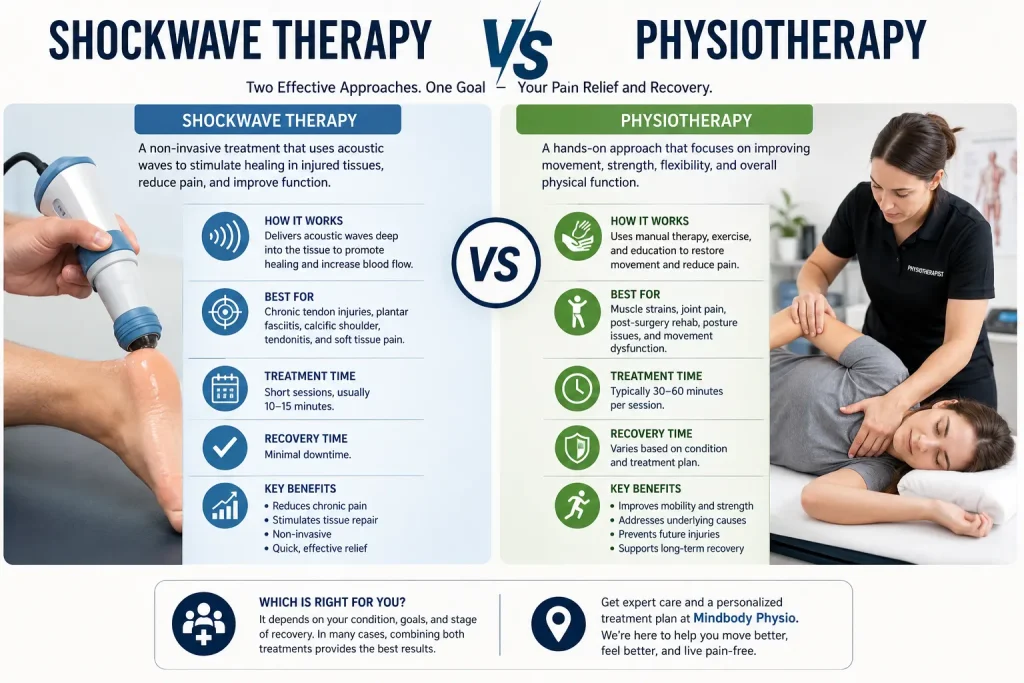
Although these treatments are often mentioned together, they are not the same.
What Is Shockwave Therapy?
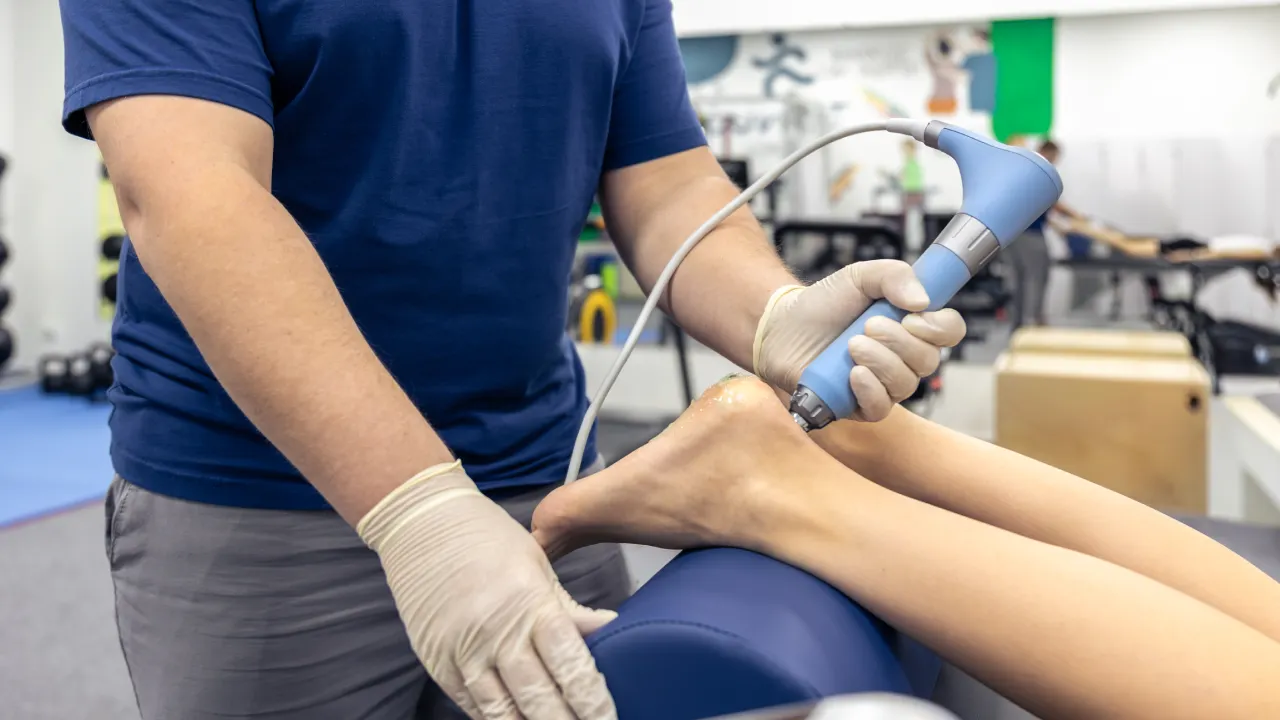
Shockwave therapy is a non-invasive treatment that delivers controlled acoustic waves into injured or irritated tissues. These sound waves stimulate the body’s natural repair response, improve circulation, and encourage damaged tissue to recover.
Unlike surgery or injections, shockwave therapy does not require incisions or extended recovery periods. Sessions are relatively short and are commonly recommended for long-standing tendon and soft tissue conditions.
What Is Physiotherapy?
Physiotherapy is a broader healthcare service focused on restoring movement, strength, flexibility, and physical function.
A physiotherapist evaluates how the body moves, identifies contributing factors, and develops a treatment plan that may include the following:
- Manual therapy
- Therapeutic exercise
- Mobility training
- Strengthening programs
- Balance and coordination exercises
- Education about posture and movement
- Pain management techniques
Rather than focusing on one specific treatment, physiotherapy addresses the underlying cause of movement limitations.
How Do These Treatments Work?
Although both treatments support recovery, they achieve their goals differently.
Shockwave Therapy
The treatment sends acoustic energy into the injured tissue.
This energy may help:
- Increase blood circulation
- Stimulate cellular activity
- Encourage tissue remodeling
- Break down abnormal calcification in certain conditions
- Improve tendon healing
- Reduce persistent pain
Most treatment sessions last between 10 and 20 minutes.
Physiotherapy
Physiotherapy combines multiple techniques depending on the patient’s condition.
Treatment may include:
- Joint mobilization
- Muscle release techniques
- Stretching
- Progressive strengthening
- Functional movement training
- Exercise prescription
- Education to reduce future injury risk
Because every individual moves differently, treatment programs are customized after assessment.
Why Understanding the Difference Matters
Many people assume every type of pain requires the same treatment.
In reality, choosing the wrong option may delay recovery.
For example:
- Tendon degeneration may respond well to shockwave therapy.
- Muscle weakness often requires strengthening exercises.
- Poor posture benefits from movement correction.
- Joint stiffness usually improves with manual therapy and mobility exercises.
A proper assessment helps determine whether shockwave therapy, physiotherapy, or a combination of both is appropriate.
Why Does Persistent Pain Happen?
Pain often develops gradually rather than suddenly.
Common causes include:
- Repetitive workplace activities
- Sports injuries
- Poor posture
- Tendon overuse
- Previous injuries
- Limited mobility
- Muscle imbalance
- Age-related tissue changes
Repetitive Activities
Typing, lifting, standing, or repetitive manual work places repeated stress on muscles and tendons.
Over time, tissues may become irritated and painful.
Sports Participation
Running, hockey, soccer, tennis, and gym training place high demands on joints and soft tissues.
Without sufficient recovery, small injuries may develop into long-term problems.
Poor Posture
Long hours sitting at a computer often contribute to neck, shoulder, and back discomfort.
Poor posture changes how muscles work, increasing strain throughout the body.
Previous Injuries
Old injuries sometimes leave lingering weakness or reduced mobility.
Without rehabilitation, surrounding muscles compensate, creating new areas of discomfort.
Aging
As people age, tendons and connective tissues naturally lose some flexibility.
Recovery may become slower, increasing the chance of chronic pain.
Signs You May Need Professional Treatment
Many aches improve within a few days.
Others require professional assessment.
Common warning signs include:
- Pain lasting longer than several weeks
- Pain returning after activity
- Morning stiffness
- Swelling around joints
- Reduced flexibility
- Weakness during movement
- Difficulty walking or climbing stairs
- Pain while exercising
- Pain affecting sleep
Hidden signs include:
- Favoring one side of the body
- Reduced athletic performance
- Loss of balance
- Limited range of motion
- Muscle tightness that never fully resolves
Seeking assessment early often prevents minor issues from becoming larger problems.
Conditions That May Benefit From Shockwave Therapy
Shockwave therapy is commonly used for long-standing tendon and soft tissue problems.
Examples include:
- Plantar fasciitis
- Tennis elbow
- Golfer’s elbow
- Achilles tendinopathy
- Patellar tendinopathy
- Rotator cuff tendinopathy
- Calcific shoulder tendinitis
- Hip tendon pain
It is generally considered after symptoms have persisted despite rest or basic home care.
Conditions Commonly Treated With Physiotherapy
Physiotherapy addresses a much wider range of conditions.
Examples include:
- Neck pain
- Back pain
- Sports injuries
- Muscle strains
- Ligament sprains
- Joint stiffness
- Arthritis
- Balance disorders
- Post-surgical rehabilitation
- Workplace injuries
- Motor vehicle accident injuries
Treatment plans change as recovery progresses.
How Professional Treatment Works
Step 1: Assessment
Every appointment begins with a detailed assessment.
The physiotherapist reviews:
- Medical history
- Current symptoms
- Activity level
- Movement patterns
- Strength
- Flexibility
- Joint mobility
This information identifies the true source of pain.
Step 2: Diagnosis
Once the assessment is complete, the clinician explains:
- What is causing the pain?
- Which tissues are involved
- Why symptoms continue
- Which treatment is most appropriate
Clear communication helps patients understand their recovery plan.
Step 3: Treatment
Depending on the diagnosis, treatment may include the following:
- Shockwave Therapy
- Manual therapy
- Exercise therapy
- Stretching
- Joint mobilization
- Soft tissue techniques
- Balance training
- Functional movement exercises
Many patients receive more than one treatment approach.
Step 4: Home Program
Exercises performed between appointments help maintain progress.
Programs often include:
- Stretching
- Strengthening
- Mobility drills
- Posture correction
- Activity modification
Consistency plays a major role in recovery.
Step 5: Progress Monitoring
Recovery is monitored regularly.
Treatment plans are adjusted based on:
- Pain levels
- Functional improvements
- Strength gains
- Range of motion
- Activity tolerance
Benefits of Professional Care
Professional treatment focuses on improving movement rather than masking symptoms.
Benefits include:
- Improved mobility
- Faster return to daily activities
- Reduced muscle tightness
- Improved flexibility
- Better movement patterns
- Reduced injury recurrence
- Increased strength
- Improved athletic performance
Many patients also gain confidence because they understand how to manage their condition moving forward.
Common Mistakes People Make
Several habits may slow recovery.
These include:
- Ignoring pain for months
- Returning to sports too early
- Resting for excessive periods
- Searching for one universal solution
- Skipping prescribed exercises
- Wearing unsuitable footwear
- Continuing poor posture
- Self-diagnosing without assessment
Early evaluation often leads to more efficient recovery.
Prevention Tips
Simple daily habits support healthy movement.
Stay Active
Regular movement keeps muscles and joints functioning well.
Warm Up Before Exercise
Preparing muscles before activity helps reduce injury risk.
Maintain Strength
Strong muscles support joints during daily activities.
Stretch Consistently
Gentle stretching helps maintain flexibility.
Take Breaks
Avoid remaining in one position for prolonged periods.
Listen to Warning Signs
Persistent pain deserves assessment rather than being ignored.
Schedule Check-Ups
People with recurring injuries may benefit from periodic physiotherapy reviews.
How to Choose the Right Physiotherapy Clinic in Edmonton
When selecting a clinic, consider several factors.
Experience
Choose clinicians with experience treating various musculoskeletal conditions.
Comprehensive Assessment
Effective treatment begins with identifying the source of pain.
Modern Treatment Options
Clinics offering both physiotherapy and shockwave therapy can provide broader treatment choices.
Patient Reviews
Read reviews to understand how patients describe their care and outcomes.
Clear Communication
A quality clinic explains findings and treatment plans in understandable language.
Local Knowledge
Working with a clinic familiar with Edmonton’s active community, seasonal conditions, and workplace demands helps create practical treatment plans.
Why Choose Mindbody Physio?
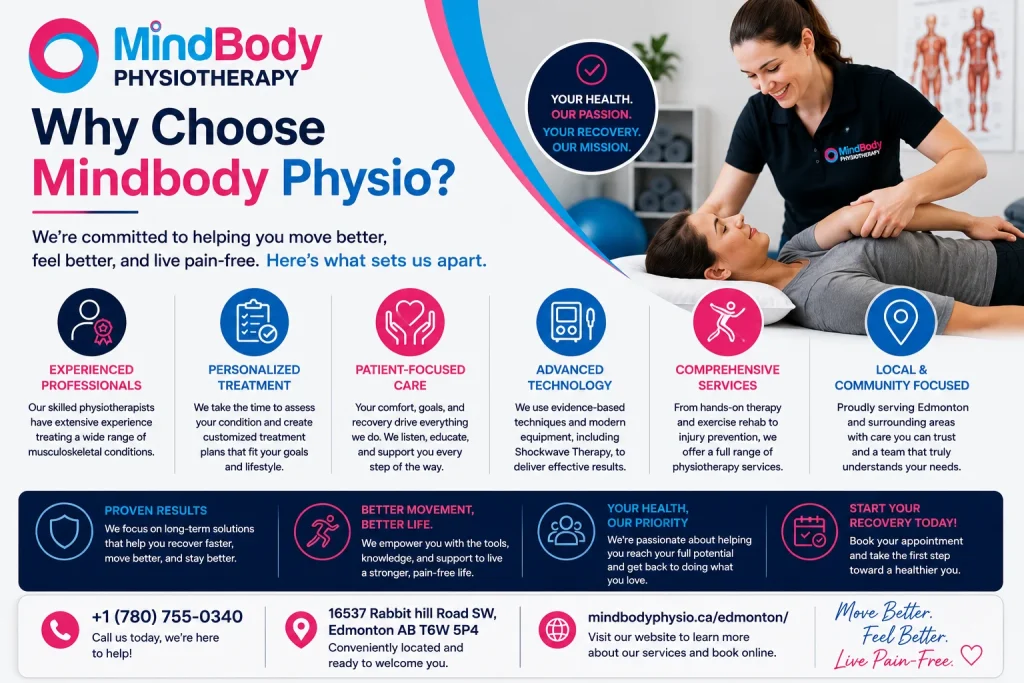
Mindbody Physio proudly serves the Edmonton community with evidence-informed physiotherapy services designed to improve movement and physical function.
The clinic focuses on identifying the root cause of pain rather than simply addressing symptoms. Every treatment plan is based on a detailed assessment and tailored to the individual’s goals, activity level, and condition.
Patients benefit from:
- Thorough evaluations
- Modern treatment techniques
- One-on-one care
- Exercise-based rehabilitation
- Shockwave Therapy when clinically appropriate
- Education that supports long-term movement health
Whether you’re recovering from a sports injury, dealing with chronic tendon pain, or looking to improve everyday mobility, the team works with you throughout every stage of recovery.
Book an Appointment
Pain doesn’t have to control your daily routine.
If persistent discomfort is limiting your work, recreation, or quality of life, an assessment can help determine whether physiotherapy, Shockwave Therapy, or a combination of both is appropriate.
Mindbody Physio proudly serves Edmonton with professional physiotherapy services focused on restoring movement and helping patients return to the activities they enjoy.
Contact the clinic today to schedule your assessment and take the first step toward improved mobility.
Frequently Asked Questions
Is shockwave therapy painful?
Some people experience mild discomfort during treatment, especially over sensitive tissues. The intensity can usually be adjusted to maintain comfort.
How many Shockwave Therapy sessions are needed?
The number of sessions varies depending on the condition, its duration, and individual progress. Many treatment plans include several sessions over a few weeks.
Can shockwave therapy replace physiotherapy?
Not always. While shockwave therapy can be effective for certain tendon conditions, physiotherapy addresses strength, flexibility, movement, and functional recovery. Many patients benefit from combining both approaches.
Which conditions respond well to shockwave therapy?
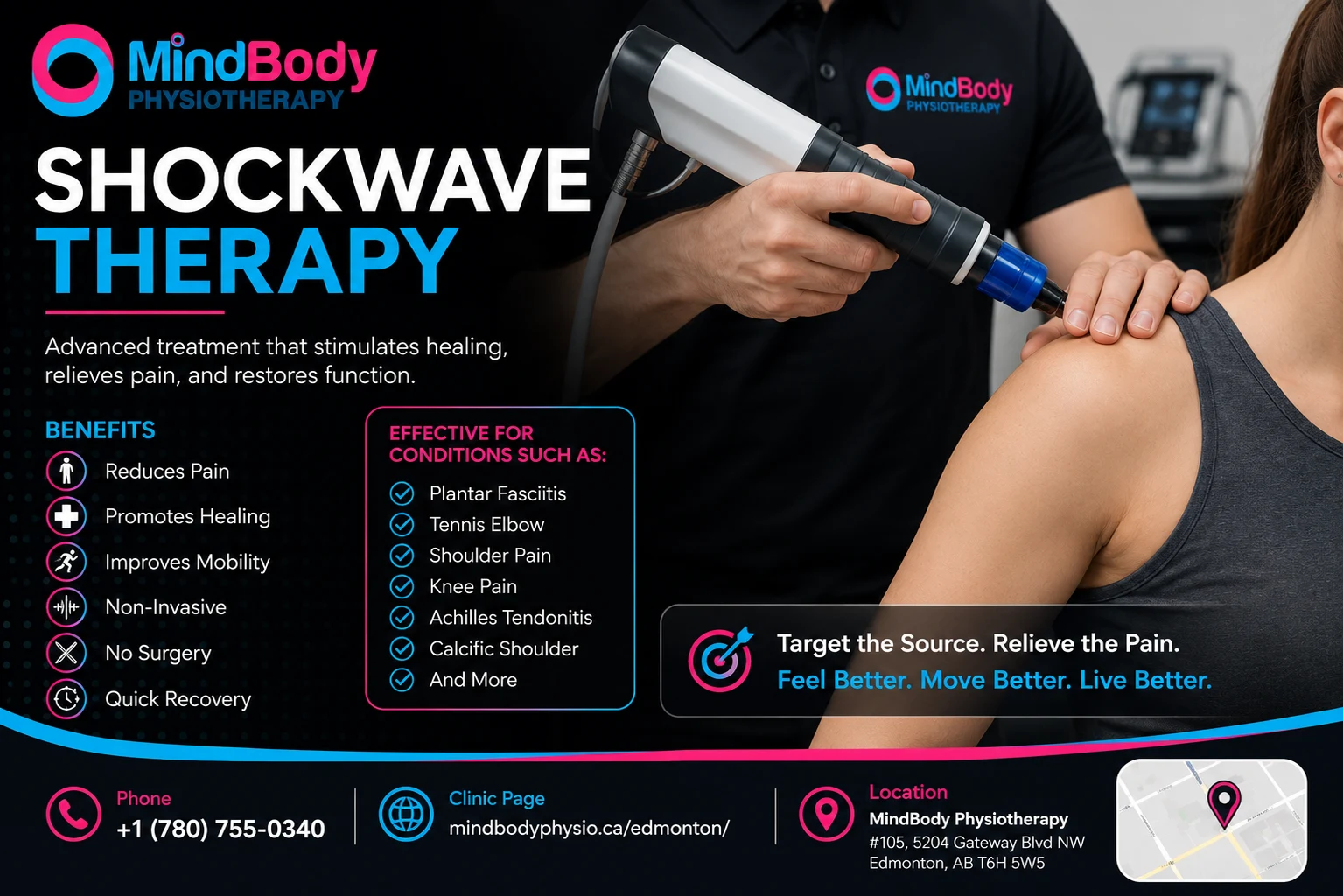
It is commonly used for plantar fasciitis, tennis elbow, Achilles tendinopathy, calcific shoulder tendinitis, and other chronic tendon conditions.
Is physiotherapy suitable after surgery?
Yes. Physiotherapy often plays an important role in restoring mobility, strength, and function after many orthopedic procedures.
How do I know which treatment is right for me?
A professional assessment is the most reliable way to determine the source of your pain and identify whether Shockwave Therapy, physiotherapy, or a combined treatment plan is appropriate.
Can I continue exercising during treatment?
This depends on your condition. Your physiotherapist will recommend safe activity levels and modify exercises to support recovery while avoiding further strain.
Recommended
7 Signs You May Need Shockwave Therapy for Pain Relief
What Is Shockwave Therapy and How Does It Work?
Is Shockwave Therapy Safe for Treating Pain?
9 Powerful Insights on Shockwave Therapy for Heel and Joint Issues







Get the physiotherapy you deserve!
Call us anytime