

- 16537 Rabbit hill Road SW, Edmonton AB T6W 5P4
- Mon to Fri 9am to 8pm | Sat : 9am to 1 pm | Sun : Closed
 Mon Feb 23
How Shockwave therapy supports recovery for heel and joint problems in Edmonton
Heel and joint discomfort can affect work, movement, and daily routines. Many people in Edmonton look for non-surgical ways to manage stubborn foot and joint problems without long recovery times. Shockwave therapy has become a popular option in physiotherapy clinics because it focuses on targeted stimulation of affected tissues. When guided by a skilled physiotherapy team, Shockwave therapy can support tissue repair and restore mobility. This article shares nine key insights about Shockwave therapy and how it fits into a modern physiotherapy plan.
1. A non-surgical option for persistent heel pain
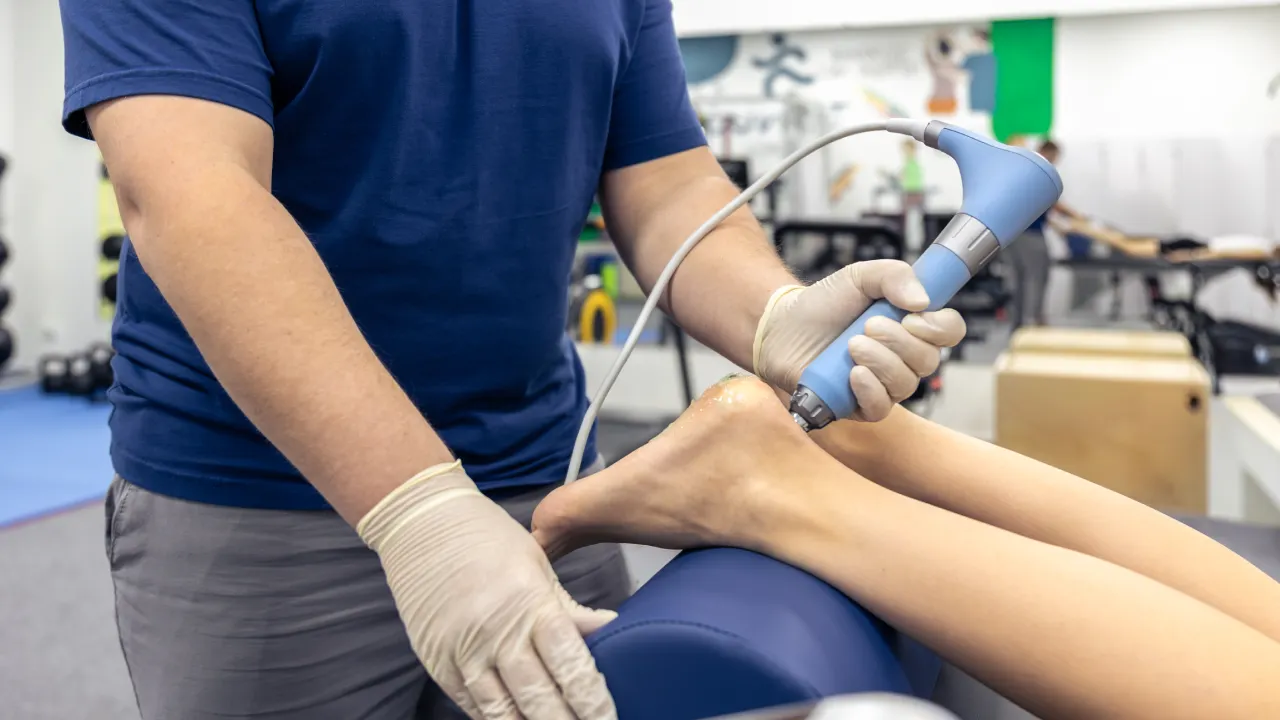
Heel pain often stems from plantar fasciitis or tendon strain. Shockwave therapy uses controlled sound waves directed at the affected area to stimulate tissue response and improve circulation. Many people turn to Shockwave therapy when stretching, rest, and footwear changes have not been enough. It is commonly used in clinics across Edmonton to help people return to walking and standing without constant discomfort.
2. Supports joint mobility and tissue repair
Joint stiffness can limit daily activities. Shockwave therapy works by stimulating cellular activity in soft tissues around joints. This process may support tissue regeneration and help improve movement over time. When combined with guided exercise, Shockwave therapy may assist people dealing with knee, hip, or shoulder concerns. Physiotherapists often include mobility drills alongside this approach to improve outcomes.
3. Quick sessions that fit busy schedules
Many people prefer treatment sessions that do not require lengthy downtime. Shockwave therapy sessions are often brief and can fit into a lunch break or after-work visit. While the number of sessions varies, many physiotherapy clinics recommend a short series spaced over several weeks. This makes Shockwave therapy appealing for those who want structured care without major disruption to daily life.
4. Helps address chronic tendon conditions
Tendon issues in the heel, elbow, or shoulder can linger for months. Shockwave therapy is often used when tendon tissue shows signs of long-standing irritation. By stimulating blood flow and metabolic activity in the affected area, may help tissues respond to exercise and manual therapy. Many physiotherapy clinics in Edmonton integrate it into a broader plan that includes strengthening and mobility work.
5. Works alongside exercise and manual therapy
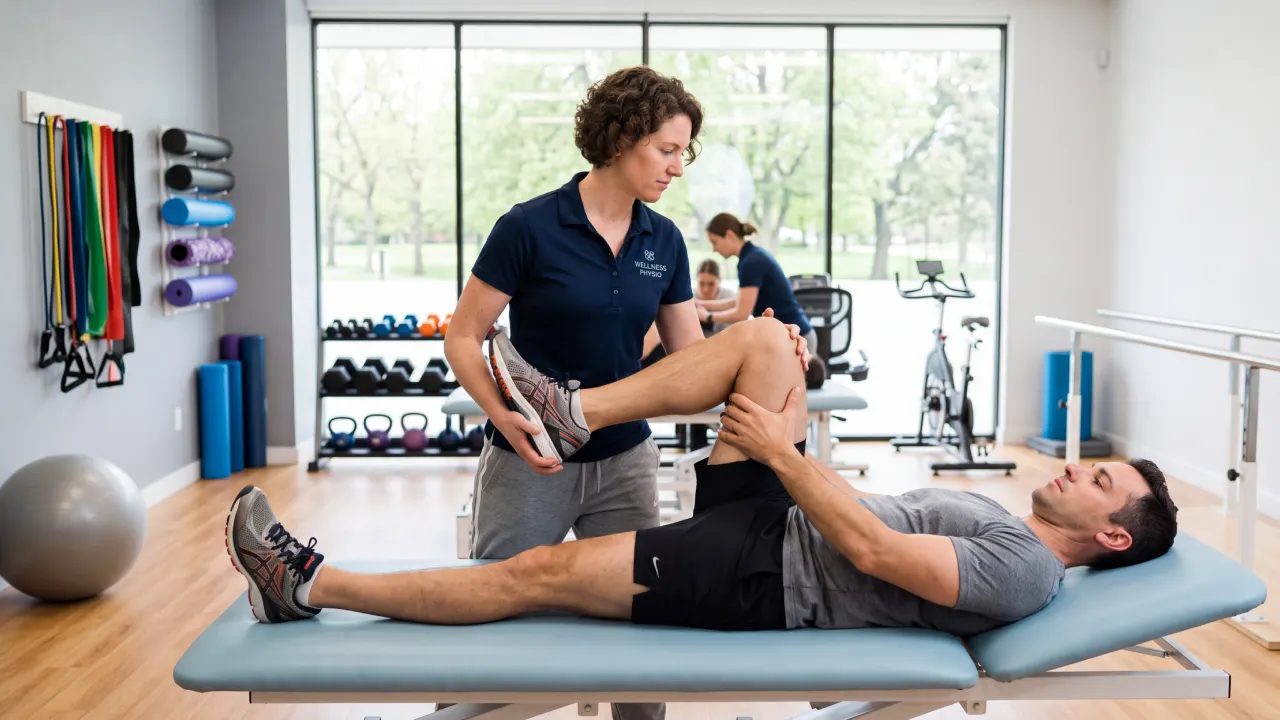
Shockwave therapy is rarely used in isolation. Physiotherapists typically combine it with stretching, strengthening, and movement training. This combined approach supports joint function and can help maintain progress between sessions. When paired with home-guided exercises, Shockwave therapy may help people regain confidence in daily movement.
6. Suitable for active lifestyles
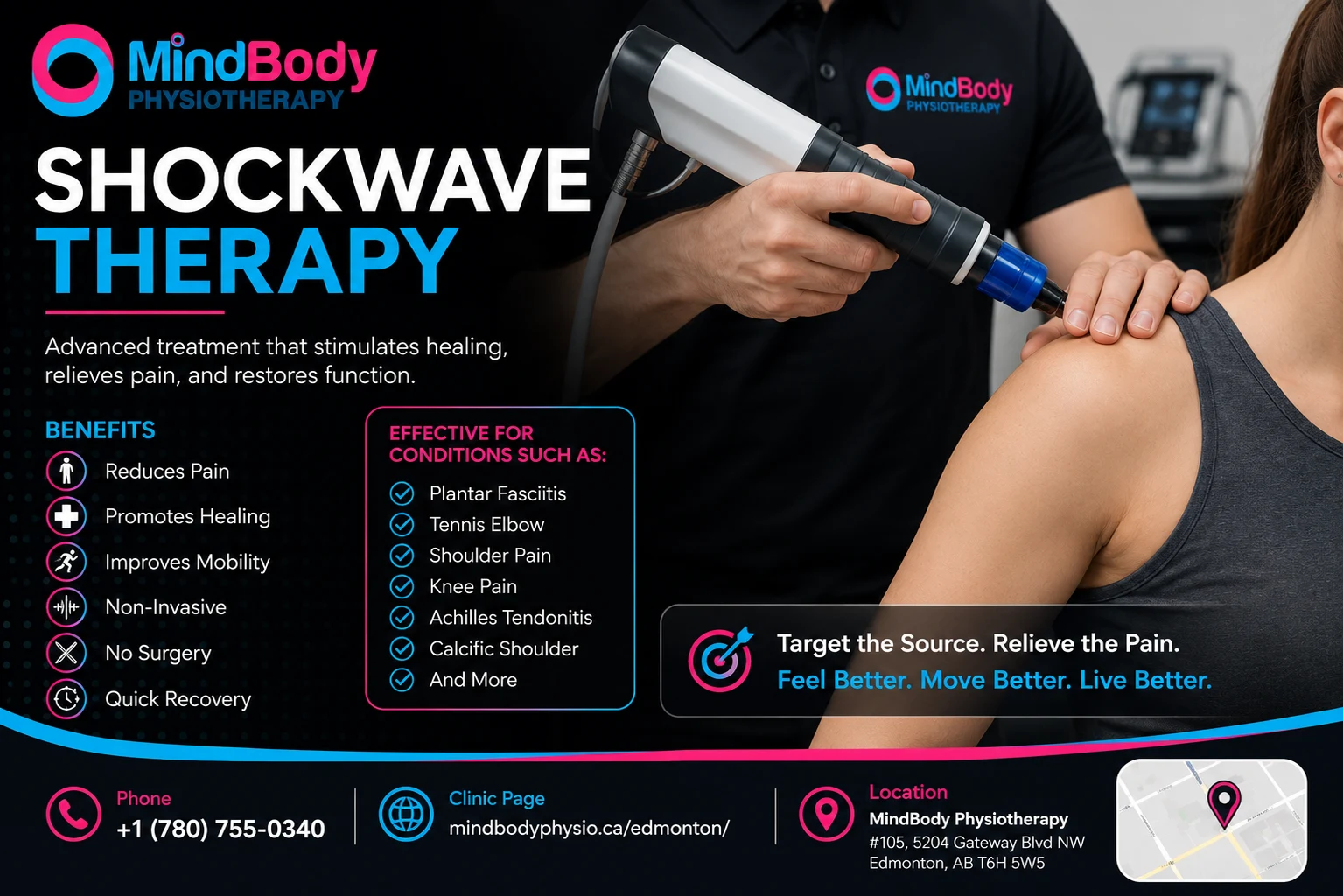
Runners, hikers, and recreational athletes often deal with heel or joint strain. Shockwave therapy is commonly used for sports-related conditions such as Achilles tendon irritation or knee discomfort. With proper assessment and a structured physiotherapy plan, Shockwave therapy can support people who want to return to training or daily activity in Edmonton’s active community.
7. Early care can prevent worsening symptoms
Addressing heel and joint problems early may help prevent further strain. Many people wait until pain becomes constant before seeking help. Starting Shockwave therapy early in the course of tendon or joint irritation can support tissue healing and prevent small issues from becoming larger ones. Physiotherapy clinics often recommend an assessment to determine whether this approach is appropriate for the condition.
8. Consistency matters for visible change
As with most physiotherapy methods, consistent attendance and adherence to home exercises can influence outcomes. Shockwave therapy works gradually, with improvements often noticed after several sessions. People who stay consistent with appointments and exercises may notice improved comfort and function. Physiotherapists monitor progress and adjust care plans to match each stage of recovery.
9. Choosing the right clinic in Edmonton
Finding a clinic with a structured approach to heel and joint concerns can make a difference. A clinic that integrates Shockwave therapy into a broader physiotherapy plan can support steady progress. Edmonton residents often look for a clinic where communication is clear, assessments are thorough, and treatment plans focus on restoring movement. Our experienced team works with people dealing with heel pain, tendon strain, and joint stiffness using Shockwave therapy as part of a complete physiotherapy program. If heel or joint issues are affecting your daily routine, booking an assessment at MindBody Physiotherapy & Wellness can be a practical step toward improving movement and getting back to the activities that matter most.
Book Your Shockwave Therapy Session in Edmonton.
If heel or joint discomfort has been holding you back, it may be time to take the next step. Shockwave therapy can be part of a structured physiotherapy plan that supports movement and daily function. Our experienced team focuses on clear assessments, guided exercise, and targeted Shockwave therapy sessions to help you move with confidence. Contact the clinic today to schedule your assessment and start working toward improved mobility and daily comfort. Take action today and give yourself the opportunity to move better and return to the activities you enjoy most.
Table of Contents






Get the physiotherapy you deserve!
Call us anytime