

- 107 Hawthorn Way Unit 6, Leduc, AB T9E 0B1
- Mon to Fri 11:00am to 07:00pm | Sat & Sun : Closed
5 Everyday Activities That Put Pressure on Your Joints – Physiotherapy Clinic
 Tue Jun 17
What This Article Explores
Joint pain is often associated with significant injuries or aging, but in reality, it’s the small, daily routines that gradually affect how your body feels. Many people don’t realize that the simple habits they repeat every day, like sitting, lifting, or using a phone, can slowly increase pressure on the joints.
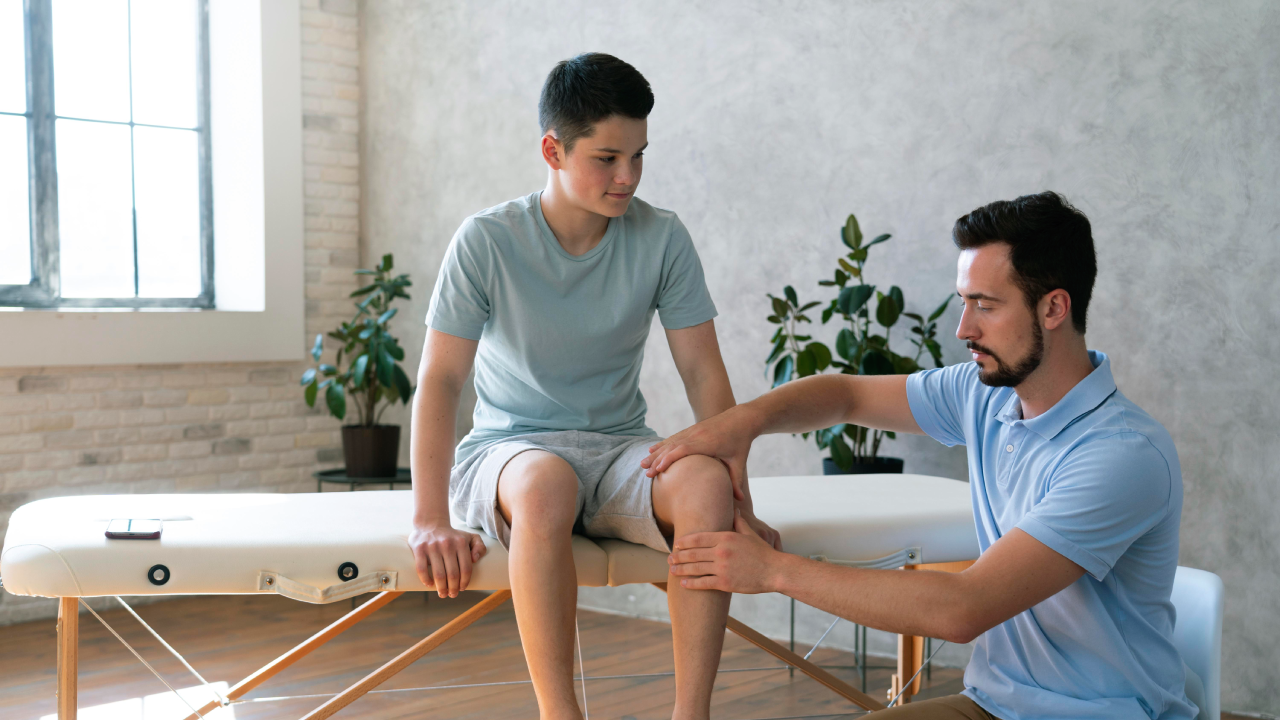
This article takes a closer look at five everyday activities that often go unnoticed but can significantly contribute to joint discomfort. Whether you’re already experiencing stiffness or want to take preventive steps, understanding how these actions affect your joints is essential to maintaining physical health. For those seeking support, a physiotherapy clinic can provide guidance tailored to your lifestyle and specific needs.
Why These Habits Matter
It’s easy to underestimate the long-term impact of routine movement patterns. Because joint strain develops gradually, people often don’t notice the connection between their daily tasks and the discomfort they feel until symptoms become persistent.
Unlike traumatic injuries, joint pressure from repetitive use can go undiagnosed for months or even years. It often begins as occasional stiffness or tightness, which may be brushed off as fatigue or poor Posture. However, without adjustment, this pressure can reduce Mobility, affect balance, and create imbalances that make other parts of the body work harder to compensate. A physiotherapy clinic is well-equipped to help identify these issues early on and guide individuals toward solutions that restore comfort and function.
How Everyday Routines Affect Your Joints
Understanding the subtle ways daily habits place pressure on joints makes early intervention much easier. Below, we’ll explore five seemingly harmless routines that can gradually contribute to joint stress. These examples reveal not only what creates the pressure but also how to modify these habits to reduce their long-term impact.
With guidance from a physiotherapy clinic, you can identify which of these habits affects you most. A trusted physiotherapy clinic can also provide personalized strategies to correct them, helping protect your joints and support long-term Mobility.
1. Sitting for Extended Periods
Sitting might seem like the most restful activity of all, but the body isn’t built for stillness over long durations. Whether you’re behind a desk, in a vehicle, or relaxing on the couch, prolonged sitting compresses key joints, especially the hips and knees. Blood flow slows, muscles tighten, and spinal alignment can shift subtly, putting more pressure on lower back joints.
This isn’t just about Posture. Even with a good ergonomic setup, sitting too long limits joint movement, which is essential for circulation and joint lubrication. Over time, this can lead to persistent tightness and decreased flexibility. Individuals experiencing this kind of discomfort often find that visiting a physiotherapy clinic helps them explore changes that reduce tension and support long-term Mobility.
2. Lifting and Carrying Objects the Wrong Way
Lifting objects is part of everyday life, from picking up groceries to moving household items. Most people lift without thinking twice, but improper lifting techniques are a significant source of joint strain. The problem isn’t always the weight, it’s the repetition and Posture.
When lifting with a curved back or using only the arms instead of engaging the legs and core, pressure builds in the lower back, shoulders, and wrists. Over time, even light loads can start to affect the joints involved. What begins as mild soreness after specific tasks can gradually become chronic joint discomfort. Individuals who experience recurring pain while lifting may benefit from movement analysis and technique correction offered at a physiotherapy clinic
3. Overuse of Digital Devices
Digital devices are part of daily living for most people. However, Spending long hours on a phone or laptop contributes more to joint stress than many realize. Looking down at a telephone continuously strains the neck and upper back, while the repetitive motion of texting or typing can irritate the small joints of the fingers, thumbs, and wrists.
When these devices are used for work, leisure, and communication, the body rarely gets a break. It’s common to develop neck stiffness, shoulder tension, and hand fatigue without recognizing the source. Early intervention with techniques such as manual therapy, movement correction, and ergonomic education, available through a physiotherapy clinic, can make a significant difference before symptoms become disabling.
4. Climbing Stairs Repeatedly
For people who live or work in multi-level spaces, stairs are an unavoidable part of daily movement. While stair climbing can be good for cardiovascular fitness, it also creates repetitive force on the knees, ankles, and hips. This pressure increases especially when stair use is frequent, rushed, or done without attention to form.
Knee joints are particularly vulnerable during descent, where body weight multiplies due to gravity and motion. Individuals with muscle imbalances, previous injuries, or even tight calves may unconsciously shift pressure onto joints rather than distribute it evenly throughout the body. For those who use stairs frequently and experience discomfort afterward, a physiotherapy clinic can assess mechanics and offer tailored strengthening routines.
5. Standing Still for Too Long
Standing might seem like a natural alternative to sitting, but extended periods of stillness in any position, including standing, can be hard on joints. Many jobs require people to stand for hours, such as in retail, healthcare, or food service. This kind of static Posture often results in knee stiffness, swelling in the feet and ankles, and low back fatigue.
The issue isn’t the act of standing, it’s the lack of movement. When muscles aren’t contracting and relaxing regularly, blood and lymphatic flow slow down, and joints don’t get the movement-based nourishment they need. As discomfort builds, the body may shift weight unevenly, putting more stress on one side and affecting alignment. Consulting a physiotherapy clinic can help people in these roles learn small Mobility techniques that offer Relief without disrupting their workflow.
When to Seek Help for Joint Discomfort
The signs of joint pressure can be subtle at first—an occasional ache or a slight restriction in movement that’s easy to overlook until the discomfort becomes persistent. If everyday tasks regularly leave you feeling sore, tight, or unstable, it may be time to take action.
Waiting too long can make recovery more difficult. A physiotherapy clinic can assess the source of joint strain and create a personalized plan to restore function. By addressing symptoms early with support from a trusted physiotherapy clinic, you can correct issues more effectively and reduce the risk of long-term damage.
Taking Steps Toward Healthier Movement
No one can avoid all joint stress, but many sources of pressure can be reduced with the proper awareness and daily habits. Small changes—how you lift, how often you move, and how you position your body—can significantly lessen joint strain. Still, if discomfort has already set in, it’s important not to self-diagnose or push through pain.
Guidance from a physiotherapy clinic ensures you address more than just symptoms—you correct the underlying patterns causing them. With proper assessment and education from a trusted physiotherapy clinic, even long-standing habits can be reshaped to support healthier joint function.
Moving Forward
Daily life has a way of shaping the body for better or worse. Becoming more conscious of how everyday actions affect your joints is a decisive step toward long-term physical comfort. Whether you’re dealing with early signs of strain or want to prevent future issues, the proper support can make your routine more sustainable and less stressful on your body.
If you’re in the Leduc area and want to understand better how your movement habits are affecting your joints, consider visiting Mindbody Physiotherapy for customized care that supports natural, comfortable movement.







Get the physiotherapy you deserve!
Call us anytime