

- 107 Hawthorn Way Unit 6, Leduc, AB T9E 0B1
- Mon to Fri 11:00am to 07:00pm | Sat & Sun : Closed
How Advanced Sports Injury Treatment Supports Faster Mobility
 Wed Jul 22
Restoring Movement After a Sports Injury in Leduc
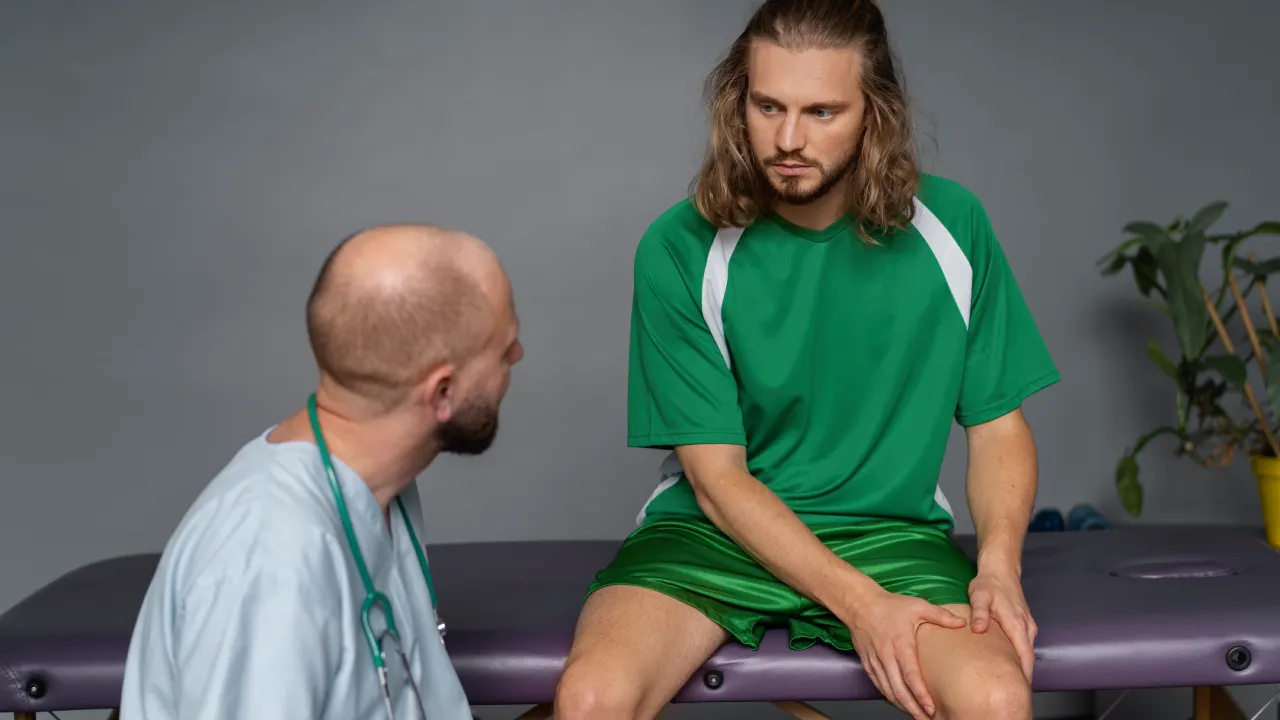
Staying active is a major part of daily life for many people in Leduc. Whether you enjoy running, cycling, hockey, soccer, strength training, or weekend hikes, movement plays a major role in physical health and confidence. A sports injury can quickly disrupt those plans. Even a minor strain or sprain may affect walking, training, work, or family activities. That is why receiving the right care early can make a meaningful difference.
sports injury treatment Advanced sports injury treatment focuses on identifying the source of pain and movement limitations while supporting the body's natural recovery process. Rather than only paying attention to symptoms, this approach looks at how muscles, joints, tendons, and ligaments work together during movement. When these areas function smoothly, mobility can return sooner, and future setbacks may become less likely.
At MindBody Physiotherapy & Wellness Clinic, individuals in Leduc receive care that focuses on restoring movement, improving function, and helping them return to the activities they enjoy. Every injury is different, which is why progress depends on understanding the condition, the person's daily routine, and their physical goals.
How Sports Injuries Affect Mobility
Sports injuries range from minor muscle strains to ligament damage, tendon irritation, joint pain, and repetitive stress conditions. While some injuries happen after a sudden impact, many develop gradually through repeated movement, limited recovery time, or muscle imbalance.
Pain is often the first symptom people notice, but reduced mobility is another major concern. Walking, climbing stairs, lifting objects, changing direction, or maintaining balance can become difficult. When movement changes because of pain, other muscles often compensate, creating additional stress throughout the body.
Ignoring these changes may increase stiffness, reduce flexibility, and make routine activities more challenging. Early attention allows movement patterns to improve before secondary issues develop.
How Advanced Sports Injury Treatment Supports Recovery
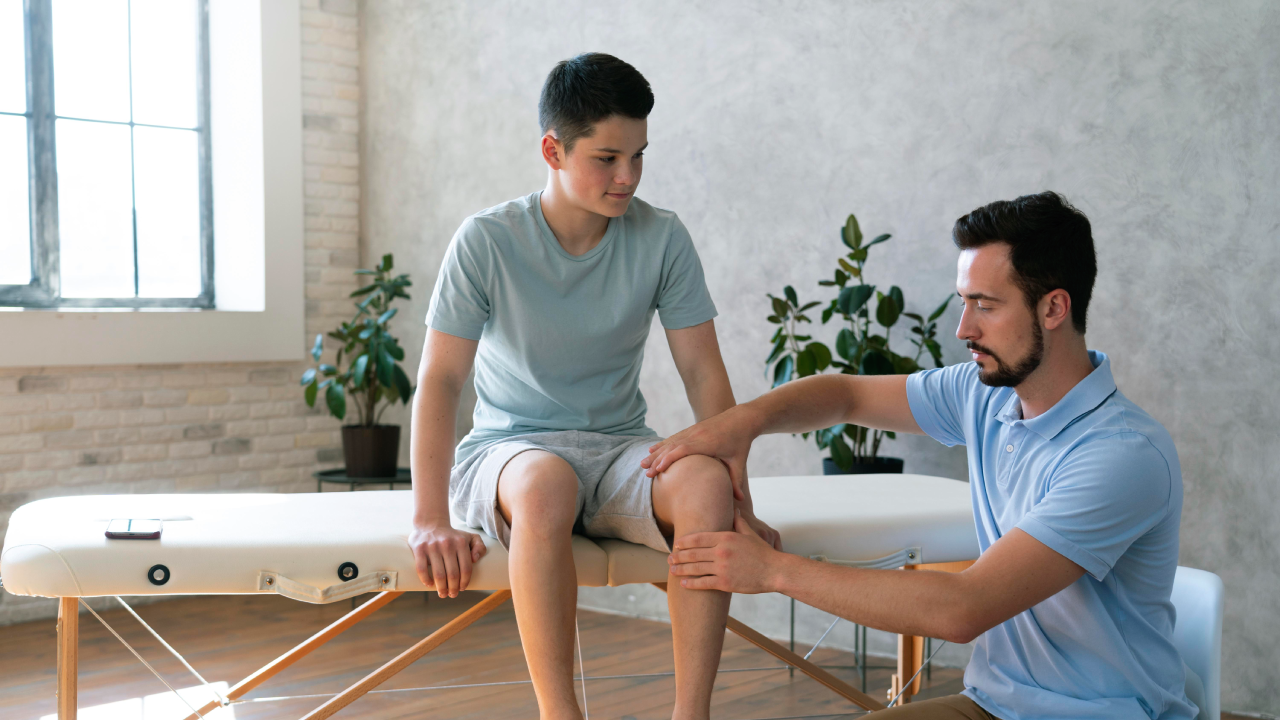
Advanced Sports Injury Treatment aims to restore movement through a structured process that matches the stage of recovery. The first step usually involves assessing mobility, strength, balance, joint motion, and functional limitations. This assessment helps identify the structures involved and how the injury affects everyday movement.
After the assessment, treatment may include manual therapy, guided exercises, mobility drills, balance training, stretching, and movement correction. These methods encourage muscles and joints to work together more efficiently.
Recovery is not simply about reducing pain. It is also about restoring confidence during movement. Many athletes hesitate to return to activity because they worry about another injury. Building strength, stability, and coordination gradually allows movement to feel more natural again.
Why Faster Mobility Matters
Mobility affects nearly every part of daily life. Walking comfortably, carrying groceries, driving, climbing stairs, working, and participating in recreational activities all depend on healthy movement.
Returning to movement sooner has several advantages:
- Maintains muscle strength during recovery.
- Supports joint flexibility.
- Encourages healthy circulation.
- Reduces stiffness.
- Helps restore balance and coordination.
- Builds confidence during physical activity.
These improvements often make everyday tasks feel easier while supporting a smoother return to sports.
Common Sports Injuries That May Benefit
Many different conditions may respond well to advanced sports injury treatment, including:
- Ankle sprains
- Hamstring strains
- Quadriceps strains
- Shoulder pain
- Tennis elbow
- Golfer's elbow
- Rotator cuff irritation
- Knee ligament injuries
- Runner's knee
- Achilles tendon pain
- Plantar fascia irritation
- Hip muscle strains
- Lower back pain linked to sports
- Shin splints
Each condition affects movement differently, so treatment is adjusted according to the injury and recovery stage.
Movement Assessment Plays a Major Role
Pain alone does not always explain why someone struggles during activity. A detailed movement assessment can reveal weaknesses, limited joint motion, muscle imbalance, altered posture, or inefficient movement patterns.
For example, recurring knee pain may actually relate to hip weakness or ankle stiffness. Shoulder discomfort during overhead activity may involve the upper back or surrounding muscles.
By identifying these factors, Advanced Sports Injury Treatment addresses movement quality rather than simply reacting to pain.
Strength and Stability Work Together
Strong muscles support healthy movement, but stability is equally important. Stability allows joints to remain controlled while walking, running, jumping, or changing direction.
Exercises often begin with simple movements before progressing toward sport-related tasks. As strength improves, more dynamic exercises prepare the body for higher levels of activity.
This gradual progression helps reduce unnecessary stress while building confidence.
Why This Treatment Is Important for Active Lifestyles
People who enjoy regular physical activity often depend on consistent movement. Missing training sessions, recreational games, or outdoor activities can affect motivation as well as physical conditioning.
Advanced sports injury treatment plays a valuable role because it focuses on restoring movement while helping individuals return to activity safely. Rather than rushing recovery, it encourages steady progress through structured rehabilitation.
Active lifestyles place ongoing demands on muscles and joints. Running requires repetitive impact, cycling demands consistent leg movement, and court sports involve rapid direction changes. Each activity creates different physical demands.
Improving flexibility, muscle control, coordination, and joint mobility supports smoother performance during these activities. Many people also learn movement strategies that reduce unnecessary strain during future exercise sessions.
This approach is valuable for recreational athletes, youth athletes, fitness enthusiasts, and anyone who enjoys staying physically active throughout the year.
Returning to Sport With Confidence
Many athletes wonder when they can safely return to competition or training. Returning too early may increase the chance of another setback, while waiting too long may reduce fitness and confidence.
Progress is often measured through movement tests, strength comparisons, balance exercises, and functional activities that reflect the individual's sport.
For example:
- A runner may progress through walking, jogging, interval running, and distance training.
- A hockey player may regain skating movement before returning to competitive play.
- A tennis player may rebuild shoulder strength before serving at full speed.
These gradual steps support a smoother transition back into physical activity.
Does It Work for Chronic Sports Injuries?
Many people believe chronic sports injuries simply become permanent, but that is not always the case.
Advanced Sports Injury Treatment may also help individuals dealing with ongoing discomfort that has lasted for months or even years. Chronic conditions often involve more than the original injury. Muscle weakness, altered movement patterns, joint stiffness, and reduced flexibility may continue long after the initial damage.
Common chronic sports injuries include:
- Long-term Achilles tendon irritation
- Persistent shoulder pain
- Recurring knee discomfort
- Chronic lower back pain related to sports
- Tennis elbow
- Runner's knee
- Repeated ankle instability
Recovery from long-standing conditions usually requires patience. Progress often comes from rebuilding strength, improving mobility, correcting movement habits, and increasing activity levels gradually.
Although every situation differs, many individuals notice improved movement, increased confidence, and greater participation in physical activity after following a structured rehabilitation plan.
Preventing Future Injuries
Recovery is only one part of staying active. Reducing future injury risk is another important goal.
Several habits support healthier movement:
- Warm up before exercise.
- Increase training intensity gradually.
- Maintain flexibility.
- Build strength throughout the body.
- Allow adequate recovery between workouts.
- Wear appropriate footwear.
- Listen to early warning signs instead of pushing through pain.
Small changes in training habits often reduce unnecessary stress on muscles and joints.
Everyday Benefits Beyond Sports
Although athletes commonly seek care after an injury, improved mobility also supports many routine activities outside sports.
Walking longer distances, lifting children, gardening, climbing stairs, standing during work, and completing household tasks all depend on healthy movement.
People frequently notice increased comfort during these everyday activities as mobility improves.
Why Choose MindBody Physiotherapy & Wellness Clinic in Leduc
Residents of Leduc deserve care that supports active living through every stage of recovery. At MindBody Physiotherapy & Wellness Clinic, the focus remains on restoring movement, improving physical function, and helping individuals return to the activities that matter most.
Whether the injury happened during organised sports, recreational exercise, or everyday movement, the clinic works toward improving mobility through structured rehabilitation and ongoing progress monitoring.
From the first assessment through each stage of recovery, the goal is steady improvement that fits each person's activity level and daily routine.
Final Thoughts
Recovering from a sports injury involves more than waiting for pain to decrease. Healthy movement depends on strength, flexibility, balance, coordination, and proper body mechanics working together.
Advanced sports injury treatment supports mobility by identifying movement limitations, rebuilding physical function, and helping individuals return to activity with greater confidence. Early attention may also reduce the likelihood of long recovery periods and recurring movement issues.
Whether your goal is returning to competitive sports, enjoying weekend activities, or moving comfortably throughout daily life, structured rehabilitation can help restore confidence in every step.
If you are looking for advanced sports injury treatment in Leduc, MindBody Physiotherapy & Wellness Clinic is ready to support your recovery journey with care focused on restoring movement and helping you get back to the activities you enjoy.
Frequently Asked Questions
1. What is Advanced Sports Injury Treatment?
Advanced Sports Injury Treatment combines movement assessment, rehabilitation exercises, manual therapy, and mobility training to support recovery after sports-related injuries while improving physical function.
2. How soon should I begin treatment after a sports injury?
Starting care as soon as possible after an injury helps identify and address movement limitations. Beginning treatment promptly after an injury helps identify movement limitations early, potentially facilitating a smoother recovery process. Starting care early may support a smoother recovery process.
3. Can recreational athletes benefit from this type of care?
Yes. This approach is suitable for competitive athletes, fitness enthusiasts, weekend sports participants, and individuals who enjoy staying active throughout the year.
4. Does treatment only focus on the injured area?
No. Movement throughout the body is assessed because nearby muscles and joints often influence how an injury develops and how recovery progresses.
5. Can this approach help reduce future sports injuries?
Improving strength, flexibility, balance, coordination, and movement patterns may reduce unnecessary strain during physical activity and support healthier movement over time.
Why Contact MindBody Physiotherapy & Wellness Clinic
Ready to move with greater confidence after a sports injury? Contact MindBody Physiotherapy & Wellness Clinic in Leduc, AB, to schedule a comprehensive assessment. Whether your injury is recent or has been affecting your movement for a long time, our experienced team provides personalised sports injury treatment in Leduc to help restore mobility, reduce pain, and support a safe, steady return to the activities you enjoy.






Get the physiotherapy you deserve!
Call us anytime