

- 107 Hawthorn Way Unit 6, Leduc, AB T9E 0B1
- Mon to Fri 11:00am to 07:00pm | Sat & Sun : Closed
What Are the Most Common Car Accident Injury Treatment Options?
Thu Oct 8
What to Know About Car Accident Injury Treatment in Leduc
A car accident can affect the body in many ways, even when injuries do not appear immediately. A sudden impact can place stress on the neck, back, shoulders, joints, muscles, and soft tissues. Some people notice discomfort right away, while others may develop symptoms hours or days after a collision.
For people in Leduc, knowing what to expect after a motor vehicle accident can make it easier to decide when to seek medical assessment and physiotherapy care. Car Accident Injury Treatment may involve a combination of assessment, therapeutic exercises, manual techniques, mobility work, education, and a gradual return to normal activities.
The appropriate approach depends on the type and severity of the injury, the symptoms involved, and the individual's overall health. A physiotherapist can assess movement, strength, flexibility, and functional limitations before developing a suitable treatment plan.
What Does Car Accident Injury Treatment Involve?
There is no single approach that applies to every collision-related injury. Car Accident Injury Treatment begins with an assessment to identify areas affected by the accident and determine how symptoms are influencing movement and daily activities.
A physiotherapy assessment may include questions about the accident, symptom patterns, previous injuries, current activity levels, and difficulties with everyday tasks. The physiotherapist may also assess posture, range of motion, muscle strength, joint movement, balance, and functional mobility.
Depending on the findings, treatment may include:
- Therapeutic exercises
- Mobility exercises
- Stretching
- Strength-building activities
- Manual therapy
- Soft-tissue techniques
- Postural education
- Balance and coordination exercises
- Activity modification
- A gradual return-to-activity program
The treatment plan can change as symptoms and physical function change. Regular reassessment helps the physiotherapist determine whether exercises or activities should be adjusted.
6 Common Injuries That May Require Car Accident Injury Treatment
Car accidents can produce many different injuries. Some are caused by direct impact, while others result from sudden acceleration, deceleration, twisting, or bracing during a collision.
1. Whiplash and Neck Strain
Whiplash is commonly associated with rear-end collisions. The head can move rapidly forward and backward, placing stress on the muscles, ligaments, and other structures around the neck.
Common symptoms may include:
- Neck stiffness
- Reduced neck movement
- Muscle soreness
- Headaches
- Shoulder discomfort
- Upper-back tension
- Difficulty turning the head
Car Accident Injury Treatment for neck-related symptoms may include gentle mobility exercises, strengthening work, posture education, and manual techniques when appropriate.
A physiotherapist can also assess whether neck movement has been affected and help establish gradual exercises that match the person's current abilities.
2. Back Injuries
The lower, middle, and upper back can all be affected during a collision. Sudden force can strain muscles and other soft tissues, while the position of the body during impact may contribute to stiffness and movement limitations.
People with accident-related back problems may notice discomfort when:
- Sitting for extended periods
- Standing
- Bending
- Getting in and out of a vehicle
- Lifting objects
- Walking for longer periods
Car Accident Injury Treatment for back symptoms may focus on restoring comfortable movement, improving strength, building core control, and helping the individual return to regular activities.
The type and intensity of exercises should depend on the assessment. Starting with manageable movements and gradually increasing activity can help avoid excessive strain.
3. Shoulder Injuries
Shoulder problems can develop when a person braces against the steering wheel, seat belt, door, or another part of the vehicle during an accident. The shoulder may also be affected by sudden movement of the upper body.
Symptoms can include:
- Shoulder stiffness
- Reduced arm movement
- Muscle soreness
- Difficulty reaching overhead
- Discomfort when carrying objects
- Weakness during certain movements
Physiotherapy may focus on restoring shoulder mobility and gradually building strength. Exercises can target the shoulder, upper back, and surrounding muscles based on the assessment.
If there is significant weakness, deformity, swelling, or severe loss of movement, medical assessment may be required before beginning certain exercises.
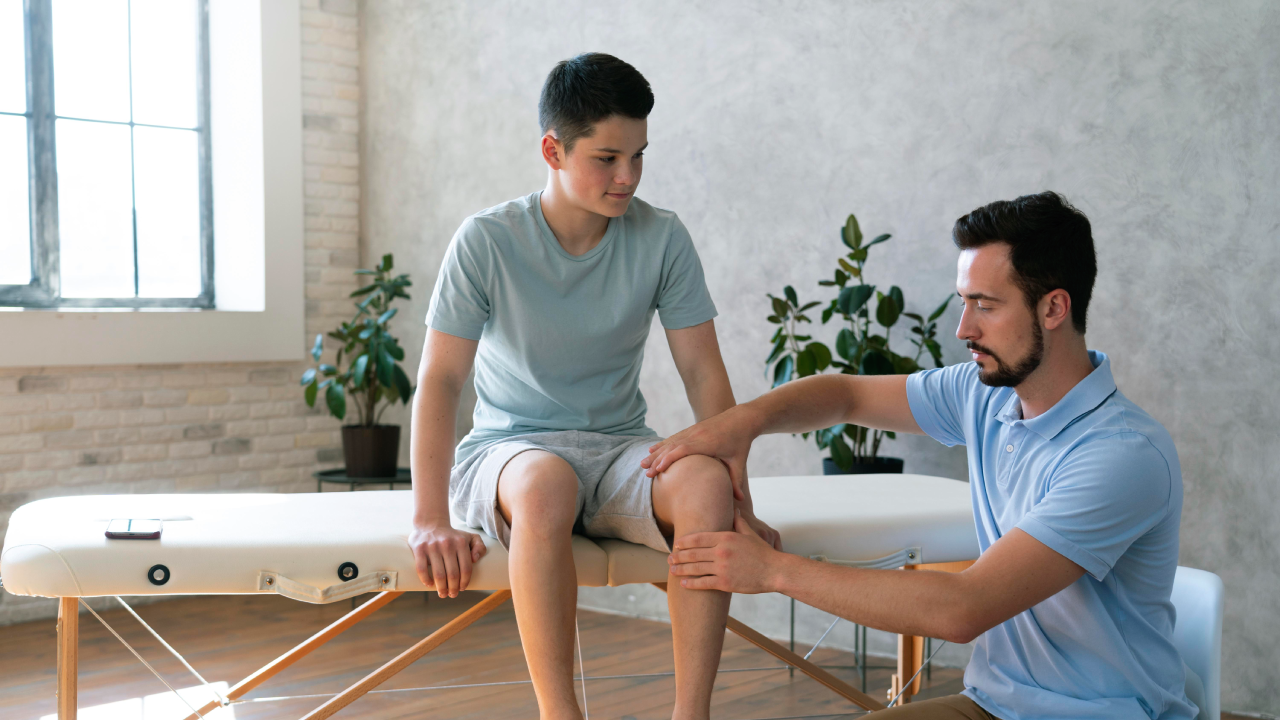
4. Knee Injuries
Knees can be injured during a collision when they strike the dashboard or when the leg twists suddenly. Seat belts and vehicle positioning can also influence how forces travel through the lower body.
Possible symptoms include:
- Knee soreness
- Swelling
- Stiffness
- Difficulty using stairs
- Reduced walking tolerance
- Difficulty squatting or bending the knee
Car Accident Injury Treatment for knee problems may include mobility exercises, strengthening, balance work, gait assessment, and activity progression.
A physiotherapist can assess how the knee moves during walking, sitting, standing, and other functional tasks. This can help identify movement patterns that may need attention during recovery.
5. Soft-Tissue Injuries
Muscles, tendons, ligaments, and other soft tissues may be affected by the sudden forces associated with a collision. These injuries can occur in different parts of the body and may produce soreness, stiffness, or reduced mobility.
Soft-tissue symptoms may become more noticeable as the initial shock of the accident wears off. Some people may also change the way they move because of discomfort, which can place additional stress on other areas.
Car Accident Injury Treatment may include gentle movement, progressive strengthening, manual techniques, stretching, and functional exercises.
The focus is generally on restoring normal movement and helping the person gradually resume daily activities.
6. Headaches and Related Musculoskeletal Symptoms
Headaches can occur after a collision for several reasons. Neck strain, changes in posture, muscle tension, and other factors may contribute to symptoms.
A physiotherapy assessment can examine the neck, upper back, shoulders, posture, and movement patterns when these areas appear connected to the symptoms.
Treatment may include mobility exercises, postural exercises, strengthening activities, and manual techniques where appropriate.
However, not every headache following a collision is musculoskeletal. A severe or unusual headache, especially when accompanied by confusion, loss of consciousness, repeated vomiting, vision changes, weakness, or other concerning symptoms, requires prompt medical assessment.
Common Car Accident Injury Treatment Options
Once an injury has been assessed, several physiotherapy approaches may be considered. The choice depends on the affected area, symptoms, functional limitations, and stage of recovery.
Therapeutic Exercise
Exercise is commonly used to restore strength, mobility, coordination, and physical function. Early exercises may involve gentle movements, while later stages can include strengthening and functional activities.
Exercises may focus on:
- Neck mobility
- Shoulder movement
- Core strength
- Lower-body strength
- Balance
- Postural control
- Functional movement
The goal is to gradually increase physical capacity without placing unnecessary stress on injured tissues.
Manual Therapy
Manual techniques may be used as part of Car Accident Injury Treatment when appropriate. These techniques can include hands-on approaches directed at joints, muscles, or soft tissues.
Manual therapy may be combined with active exercises rather than used as the only form of care. Active movement can help build strength and restore functional capacity as recovery progresses.
Mobility Work
Stiffness is common after an accident, particularly when a person reduces activity because movement feels uncomfortable. Mobility exercises can help maintain or gradually restore movement in affected areas.
A physiotherapist may recommend specific movements for the neck, shoulders, spine, hips, knees, or other areas depending on the assessment.
Strengthening Programs
Reduced activity can contribute to muscle weakness. Once appropriate, progressive strengthening can help rebuild physical capacity.
A program may begin with simple bodyweight exercises and progress as tolerance improves. The pace should be based on symptoms, movement quality, strength, and daily activity demands.
Functional Rehabilitation
The goal of Car Accident Injury Treatment is not only to address individual symptoms but also to help people return to practical activities.
Functional rehabilitation may involve activities related to:
- Walking
- Sitting at work
- Driving
- Lifting
- Bending
- Climbing stairs
- Household tasks
- Recreational activities
This can make the transition back to normal routines more gradual and manageable.
When Should You Seek Treatment After a Car Accident?
It is sensible to seek medical assessment after a collision when symptoms are significant, persistent, worsening, or accompanied by concerning signs.
Physiotherapy may be appropriate when an accident has resulted in issues such as stiffness, reduced mobility, muscle weakness, difficulty with everyday activities, or ongoing musculoskeletal symptoms.
Some symptoms may not appear immediately. Adrenaline and the initial stress of an accident can make it difficult to notice every physical change right away. Monitoring how the body feels during the hours and days following a collision can be useful.
If there is uncertainty about whether a symptom requires urgent medical attention, contacting a physician or emergency service is appropriate.
How Long Does Car Accident Injury Treatment Take?
Recovery time varies considerably from one person to another. Factors can include the type of injury, the force of the collision, previous injuries, general fitness, sleep, activity levels, and the demands of work or daily life.
Some minor strains may improve over a relatively short period, while more significant injuries can require a longer rehabilitation process.
Progress can be monitored through changes in movement, strength, activity tolerance, and day-to-day function. The physiotherapist can adjust exercises as physical capacity changes.
It is also important not to compare one person's recovery with another person's timeline. Two people involved in the same collision may have completely unique symptoms and functional needs.
Why Physiotherapy Can Be Part of Post-Accident Care in Leduc
For people living or working in Leduc, attending a local physiotherapy clinic can make appointments easier to fit around work, family responsibilities, and other recovery needs.
Car Accident Injury Treatment at a physiotherapy clinic may provide structured support for restoring movement and physical function following a collision.
At MindBody Physiotherapy & Wellness Clinic, assessment and physiotherapy care can focus on the individual's symptoms, physical limitations, and activity requirements. Treatment may be adjusted as progress is monitored.
Keeping track of symptoms and following the recommended exercise program between appointments can also play an important role in rehabilitation.
What Should You Do After a Car Accident?
After a collision, consider these practical steps:
- Seek emergency assistance when there are serious or potentially life-threatening symptoms.
- Arrange medical assessment when symptoms are significant or concerning.
- Keep track of changes in symptoms.
- Avoid activities that cause significant worsening of symptoms.
- Ask about physiotherapy when musculoskeletal symptoms affect movement or daily activities.
- Follow the rehabilitation plan provided by your healthcare provider.
- Gradually return to regular activities as your physical function allows.
Documentation can also be useful for accident-related claims. Keep records of medical appointments, physiotherapy visits, symptoms, and restrictions when appropriate.
5 FAQs
1. When should I start physiotherapy after a car accident?
The timing depends on the injury and medical findings. Some people may begin physiotherapy soon after medical assessment, while others may need further evaluation first. A healthcare professional can advise whether physiotherapy is appropriate.
2. Can physiotherapy help with whiplash?
Physiotherapy may help address restricted neck movement, muscle weakness, stiffness, posture, and functional limitations associated with whiplash. The treatment approach depends on the person's symptoms and assessment findings.
3. Can I receive physiotherapy if my symptoms appeared several days after the accident?
Yes, delayed symptoms can occur following a collision. It is still important to seek medical assessment when symptoms are new, persistent, worsening, or concerning. A physiotherapist can assess musculoskeletal symptoms once appropriate care has been established.
4. How often will I need physiotherapy after a collision?
There is no fixed number of appointments. Frequency depends on the injury, symptoms, progress, activity requirements, and recommendations from the treating healthcare provider.
5. Can I return to work while receiving physiotherapy?
Many people continue working during rehabilitation, although this depends on the nature of the injury and the physical requirements of the job. A physiotherapist can discuss activity modification and exercises that relate to work demands.
Choosing a Clinic in Leduc
When seeking Car Accident Injury Treatment, consider whether the clinic provides assessment, exercise-based rehabilitation, mobility work, strengthening, and functional rehabilitation that match your needs.
It can also be useful to discuss your accident history, current symptoms, work requirements, daily activities, and any previous injuries during the initial assessment.
At MindBody Physiotherapy & Wellness Clinic in Leduc, physiotherapy care can focus on helping individuals address movement limitations and work toward returning to their usual activities following a motor vehicle collision.
Take The Next Step
A car accident can leave you dealing with stiffness, reduced movement, muscle weakness, or difficulty with everyday activities. Car Accident Injury Treatment can be an important part of a structured rehabilitation plan when musculoskeletal symptoms develop after a collision.
If you are in Leduc and dealing with accident-related physical concerns, contact MindBody Physiotherapy & Wellness Clinic to discuss your symptoms and arrange a physiotherapy assessment. The clinic can assess your movement and help establish an appropriate rehabilitation plan based on your current needs.
Phone: +1 587-468-1818
Address: 107 Hawthorn Way, Unit 6, Leduc, AB T9E 0B1, Canada







Get the physiotherapy you deserve!
Call us anytime