


- 107 Hawthorn Way Unit 6, Leduc, AB T9E 0B1
- Mon to Fri 11:00am to 07:00pm | Sat & Sun : Closed
7 Ways Manual therapy May Fit into Your Wellness Routine
 Fri Sep 4
 How Manual Therapy Can Support an Active Wellness Routine
Maintaining an active and comfortable lifestyle involves more than exercise alone. Daily activities such as walking, working at a desk, lifting, driving, playing sports, or caring for family can place repeated demands on the body. Over time, stiffness, restricted movement, muscle tension, or changes in mobility may make some activities feel more difficult.
For people in Leduc who want to stay active and support their physical function, Manual therapy may form one part of a physiotherapy plan. Hands-on care can be combined with movement exercises, strengthening activities, mobility work, posture advice, and other strategies based on an individual's needs.
Rather than viewing hands-on care as a standalone solution, it can be considered alongside regular movement and healthy daily habits. Here are seven ways it may fit into a wellness routine.
1. It May Support Everyday Mobility
Mobility plays an important role in everyday life. Reaching for an item on a shelf, turning your head while driving, getting up from a chair, walking around the neighbourhood, or bending down to pick something up all require coordinated movements.
Joint stiffness or muscle tightness can affect how comfortably these movements are performed. Manual therapy may be used to work with joints, muscles, fascia, and other soft tissues when movement restrictions are present.
A physiotherapist may assess how a particular area moves before selecting appropriate hands-on techniques. Depending on the findings, treatment may focus on a stiff joint, tense muscle, or restricted soft tissue.
This can be particularly useful when mobility concerns are interfering with exercise or normal daily activities. Once movement feels easier, a physiotherapist may introduce exercises that encourage the body to maintain the available range of motion.
For someone living an active lifestyle in Leduc, this combination can make mobility work a practical part of a regular wellness routine.
2. It Can Complement Your Exercise Routine
Exercise is an important part of maintaining strength, coordination, cardiovascular fitness, and mobility. However, some people notice that certain areas feel stiff or restricted before, during, or after exercise.
Manual therapy may be incorporated alongside an exercise program when a physiotherapist identifies movement restrictions that could affect exercise performance.
For example, someone who enjoys recreational sports may have limited movement around the shoulder, hip, ankle, or spine. A physiotherapist can assess the area and may use hands-on techniques alongside mobility drills and strengthening exercises.
The goal is not to replace exercise. Instead, hands-on care can work alongside active movement.
A wellness routine may include:
- Mobility exercises
- Strength training
- Balance activities
- Cardiovascular exercise
- Stretching
- Posture and movement practice
- Hands-on physiotherapy when appropriate
This approach gives you several ways to work on physical function rather than relying on one type of care.
3. It May Help Address Muscle Tension
Muscle tension can develop for many reasons. Repetitive movements, prolonged sitting, demanding workouts, changes in activity levels, and certain postures may all contribute to feelings of tightness.
Areas such as the neck, shoulders, back, hips, and legs can become particularly noticeable when daily routines involve repeated positions or movements.
During an assessment, a physiotherapist may examine muscle tone, joint movement, posture, and functional patterns. Manual therapy may then be considered when hands-on work is appropriate for the area being assessed.
Techniques can include soft-tissue work, gentle joint movements, or targeted pressure around areas of muscular tension.
After hands-on treatment, active exercises may be introduced to encourage movement and strength. This is important because daily wellness involves more than what happens during an appointment.
Simple habits such as taking movement breaks, changing positions throughout the day, completing mobility exercises, and gradually building strength can all support an active routine.
4. It May Support Recovery After an Activity-Related Strain
An increase in physical activity can sometimes leave the body feeling stiff or sore. This may occur after returning to exercise, starting a new sport, increasing training volume, completing demanding yard work, or taking part in recreational activities.
When an injury or movement concern occurs, assessment can help identify what may be contributing to the problem. Manual therapy can sometimes be included in physiotherapy care when appropriate, alongside activity modification and progressive exercises.
The exact approach depends on factors such as the location of the concern, how it developed, current movement ability, and the person's activity goals.
A physiotherapy plan may gradually progress from gentle movement toward strengthening and functional activity.
For example, someone returning to recreational running may initially focus on comfortable movement and basic strength before gradually increasing running distance. Someone returning to gym workouts may modify certain exercises before progressing toward previous training levels.
This gradual approach allows activity to be adjusted according to how the body responds.
5. It Can Be Used Alongside Posture and Movement Work
Posture is often discussed in relation to workplace habits, studying, driving, and screen use. Spending extended periods in one position can contribute to stiffness or muscle fatigue.
There is no single posture that every person needs to maintain throughout the day. Instead, regularly changing positions and incorporating movement can be useful.
Manual therapy may be included when a physiotherapist identifies specific areas of stiffness or soft-tissue restriction during an assessment.
For someone who works at a desk in Leduc, a physiotherapy routine could include:
- Regular standing or walking breaks
- Desk and chair adjustments
- Neck and shoulder mobility exercises
- Upper-back movement exercises
- Strengthening activities
- Education about changing positions
- Hands-on care when clinically appropriate
The focus is on helping the person participate in daily activities while developing practical movement habits.
Rather than attempting to maintain one rigid posture all day, consider movement variety as part of your routine.
6. It May Support Flexibility and Range of Motion
Flexibility and range of motion can vary between individuals and across different joints. Previous injuries, activity levels, age, strength, and daily habits can all influence movement.
If a joint or surrounding tissue feels restricted, a physiotherapist may assess whether limited mobility is affecting a particular activity.
Manual therapy may be used as one component of care to address selected movement restrictions. Joint mobilization and soft-tissue techniques are examples of approaches that may be considered.
For instance, someone who has difficulty reaching overhead may receive an assessment of shoulder and upper-back movement. A person with restricted ankle movement may have the foot and lower leg assessed in relation to walking, squatting, or running.
Hands-on work can then be paired with active mobility exercises.
This combination matters because movement performed independently can help reinforce the range of motion practiced during a physiotherapy session.
A simple wellness routine might therefore include a few mobility exercises each day, strength sessions several times a week, regular walking, and physiotherapy appointments when a movement concern requires additional attention.
7. It Can Fit into a Broader Wellness Plan
Wellness does not have to mean following a complicated schedule. It can involve practical habits that support movement, strength, sleep, recreation, and participation in daily activities.
For some people, physiotherapy may be useful when a physical concern makes it harder to maintain these activities.
Manual therapy can be one part of a wider plan that also includes exercise, education, movement practice, and changes to daily activities.
The role of hands-on care may change over time. Someone with a recent movement concern may initially require more frequent clinical support, while another person may only need occasional assessment alongside an established exercise routine.
The appropriate schedule depends on the individual's condition, goals, progress, and response to treatment.
The key idea is that hands-on care does not have to exist separately from your normal routine. It can be combined with the activities you already enjoy.
What Is Manual Therapy?
Manual therapy refers to hands-on physiotherapy methods used to assess and address movement-related concerns involving joints, muscles, fascia, and other soft tissues.
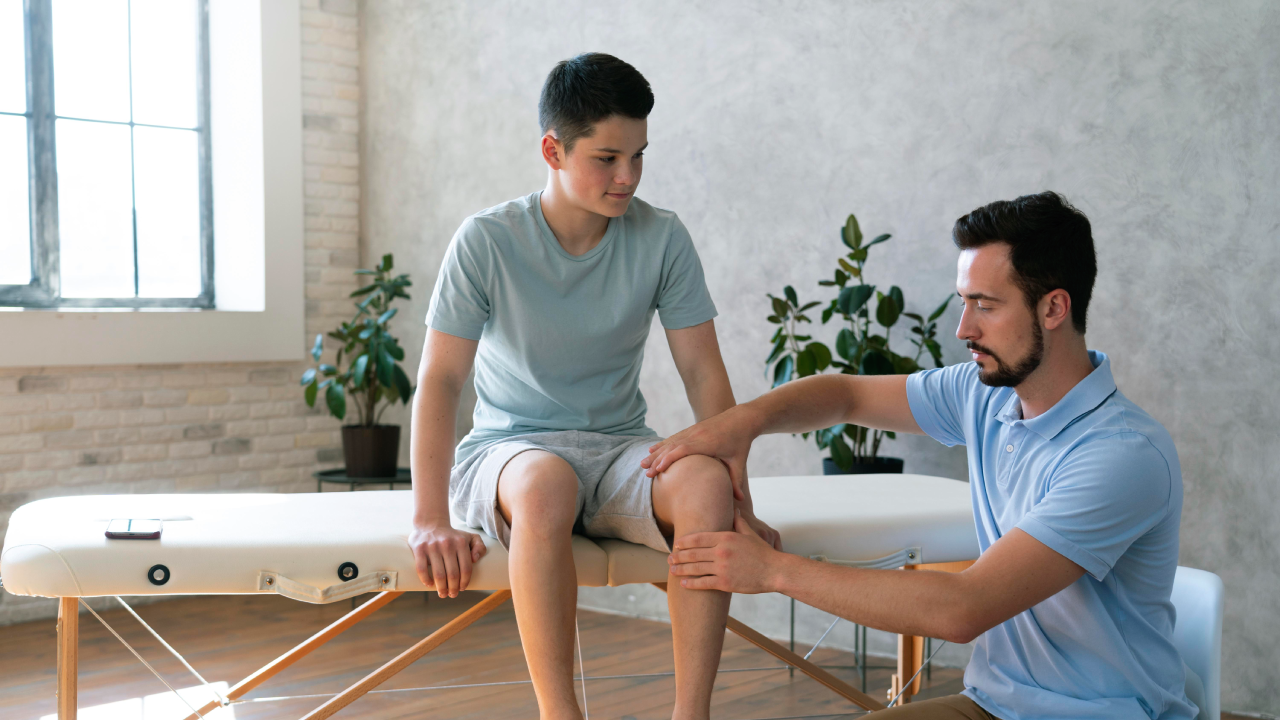
During an appointment, a physiotherapist may use their hands to assess how an area moves, how tissues respond to pressure or movement, and whether stiffness or tension may be affecting function.
The techniques selected depend on the assessment and the person's needs. They may include gentle joint movements, soft-tissue techniques, stretching, or other forms of hands-on treatment.
The purpose can vary. A physiotherapist may use these methods to work with restricted joint movement, muscle tension, soft-tissue stiffness, or changes in mobility.
Hands-on treatment is often paired with active physiotherapy. Exercises, strengthening, balance activities, mobility drills, and movement education can help people participate actively in their care.
How Does Manual Therapy Work?
Hands-on physiotherapy can influence the tissues and movement patterns involved in a particular activity. A physiotherapist may work with a joint, muscle, fascia, or surrounding soft tissue based on the findings from an assessment.
Depending on the situation, treatment may aim to:
- Encourage joint movement
- Address areas of muscle tension
- Support flexibility
- Promote comfortable movement
- Improve range of motion
- Prepare an area for active exercise
- Support participation in functional activities
The response to hands-on treatment can differ from one person to another. This is why assessment and ongoing monitoring are important.
A physiotherapist may reassess movement after treatment and adjust the exercise or activity plan according to the person's response.
Common Techniques Used in Manual Therapy
Several hands-on methods may be used during physiotherapy.
Joint Mobilization
Joint mobilization involves controlled movements applied to a joint. The technique and intensity depend on the joint, the person's condition, and the purpose of treatment.
It may be considered when joint stiffness is affecting movement or function.
Soft-Tissue Techniques
Soft-tissue work involves hands-on contact with muscles and surrounding tissues. A physiotherapist may use pressure or movement to address areas of tension or restricted tissue movement.
This approach can be incorporated into care for certain muscular or movement-related concerns.
Trigger Point Techniques
Some muscles develop particularly tense or sensitive areas. A physiotherapist may assess these areas and apply targeted pressure when appropriate.
The technique may be combined with movement exercises and other physiotherapy methods.
Myofascial Techniques
Fascia is connective tissue that surrounds and connects structures throughout the body. Hands-on techniques may be used around areas where tissue restriction or movement limitations have been identified.
These techniques are often combined with active movement.
Lymphatic Techniques
Gentle hands-on methods may also be used to encourage lymphatic movement in specific clinical situations. The approach is light and differs from deeper soft-tissue work.
A physiotherapist determines whether this type of technique is appropriate based on the individual's circumstances.
When Might Manual Therapy Be Considered?
There are several situations where hands-on physiotherapy may form part of a care plan. These can include:
- Joint stiffness
- Muscle tension
- Reduced range of motion
- Movement restrictions
- Recovery following certain injuries
- Activity-related stiffness
- Difficulties with specific movements
- Some musculoskeletal conditions
Not every person requires hands-on treatment. In some cases, exercise, education, activity modification, or other physiotherapy methods may be more appropriate.
An assessment can help identify which approaches may fit the person's needs and goals.
Positive Changes You May Notice with Manual Therapy
Responses vary, but some people may notice changes such as
- Easier movement around a restricted area
- Improved range of motion
- Reduced muscle tightness
- Greater comfort during certain activities
- Improved ability to complete mobility exercises
- Increased confidence with movement
- Easier participation in an exercise program
These changes can also depend on what someone does outside the clinic. Regular movement, appropriate strengthening, adequate rest, and gradual activity progression can all play a role in maintaining physical function.
How to Add Manual Therapy to a Wellness Routine
If you are considering hands-on physiotherapy in Leduc, start by identifying what you want to accomplish.
Perhaps you want to return to recreational sport, move more comfortably at work, improve your gym routine, address recurring stiffness, or maintain mobility as your activity level changes.
During a physiotherapy assessment, discuss these goals and describe the activities that matter to you.
Your routine may then include a combination of:
- Daily movement: Walk, stretch, or change positions regularly.
- Mobility exercises: Include movements that target areas requiring additional mobility.
- Strength training: Build strength gradually according to your ability.
- Activity adjustments: Modify movements when a particular activity is aggravating a concern.
- Physiotherapy sessions: Use clinical support when assessment or hands-on treatment is appropriate.
- Home exercises: Continue recommended exercises between appointments.
- Progress checks: Reassess your activities as your movement changes.
This makes physiotherapy part of a broader lifestyle rather than something separate from your everyday activities.
Why Choose MindBody Physiotherapy & Wellness in Leduc?
At MindBody Physiotherapy & Wellness, physiotherapy care can be incorporated into your everyday goals and activities. Whether you are working toward improved mobility, returning to exercise, managing a movement concern, or maintaining an active routine, the first step is an assessment of your current needs.
If hands-on treatment is appropriate, it can be combined with exercises, movement education, strengthening, and practical recommendations for daily activities.
For residents of Leduc, having a local physiotherapy clinic can make it easier to include physical care within a regular wellness schedule.
5 Frequently Asked Questions
1. Is Manual Therapy suitable for everyone?
Not necessarily. The suitability of hands-on treatment depends on your health history, movement concerns, current condition, and physiotherapy assessment. A physiotherapist can determine whether it is appropriate for you.
2. Can Manual Therapy be combined with exercise?
Yes. Hands-on treatment is often used alongside active physiotherapy approaches such as mobility exercises, strengthening, balance work, and functional movement practice.
3. How often should I receive Manual Therapy?
There is no universal schedule. Frequency can depend on your condition, activity level, goals, response to treatment, and progress. Your physiotherapist can discuss an appropriate schedule after assessment.
4. Can I continue exercising while receiving Manual Therapy?
In many cases, people can continue exercising, although adjustments may be recommended depending on the concern being addressed. Your physiotherapist can advise you on activity levels and exercise modifications.
5. Is Manual Therapy the only part of physiotherapy?
No. Physiotherapy can include assessment, exercise, strengthening, mobility work, balance training, movement education, activity modification, and hands-on techniques when appropriate.
Get Started
If stiffness, restricted movement, muscle tension, or an activity-related concern is affecting your routine, MindBody Physiotherapy & Wellness can help you explore physiotherapy options in Leduc.
Contact MindBody Physiotherapy & Wellness to discuss your concerns, activity goals, and current routine. An assessment can help identify appropriate next steps and whether hands-on physiotherapy may fit into your care plan. Take the next step toward making movement and physiotherapy part of your regular wellness routine. Contact the clinic today to schedule an appointment.
Phone: +1 587-468-1818
Address: 107 Hawthorn Way Unit 6, Leduc, AB T9E 0B1, Canada






Get the physiotherapy you deserve!
Call us anytime
