

- 107 Hawthorn Way Unit 6, Leduc, AB T9E 0B1
- Mon to Fri 11:00am to 07:00pm | Sat & Sun : Closed
9 Benefits of Visiting a Physiotherapy Clinic for Mobility Issues
 Fri Jun 26
Why Early Physiotherapy Matters for Mobility
Mobility affects nearly every part of daily life. Walking, climbing stairs, bending, lifting groceries, working, exercising, and Spending time with family all depend on how well your body moves. When pain, stiffness, weakness, or reduced flexibility begin to limit movement, even simple tasks can become frustrating.
Many people ignore these early signs, hoping they will disappear on their own. While mild discomfort may improve with rest in some cases, ongoing pain or restricted movement often indicates an issue that warrants attention. Waiting too long can make the problem harder to manage and may interfere with work, hobbies, and independence.
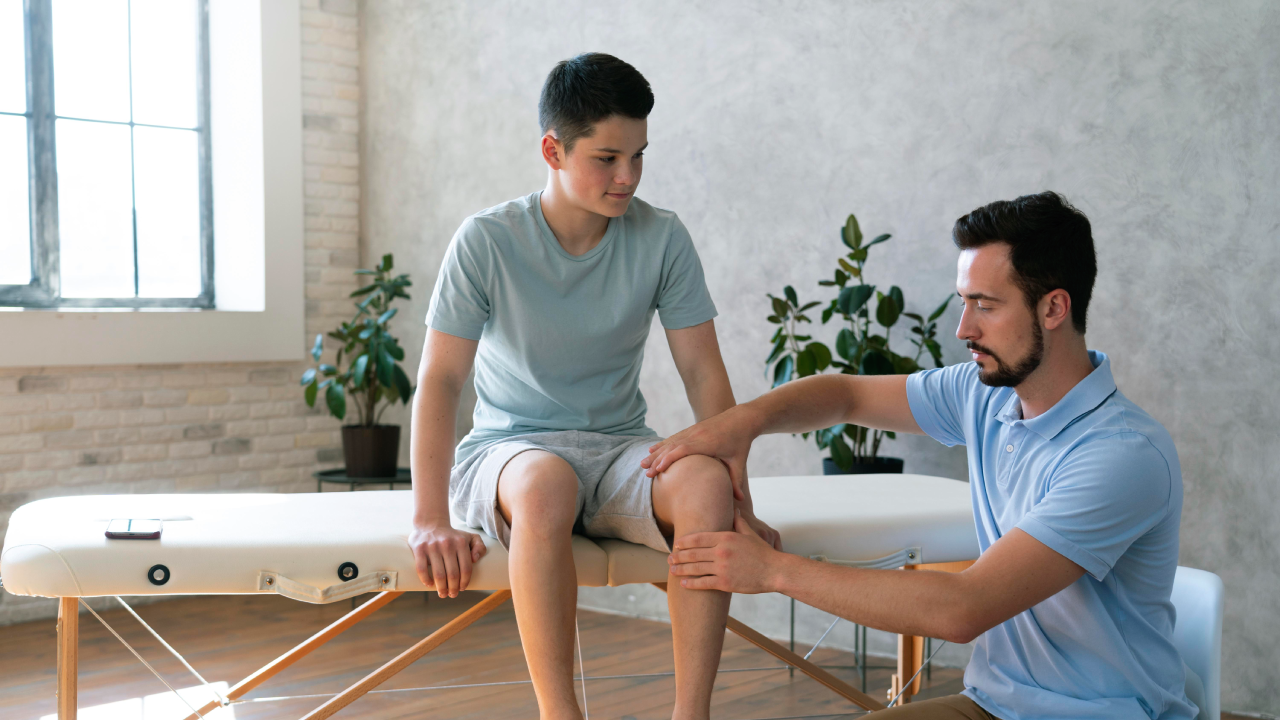
Visiting a Physiotherapy Clinic early can help identify the source of Mobility concerns and create a plan that supports movement, strength, and function. Whether your symptoms began after an injury, Surgery, repetitive work, or gradual wear and tear, physiotherapy can play an important role in helping you move with greater Confidence.
For residents in Leduc, MindBody Physiotherapy & Wellness Clinic provides care for people of all ages dealing with Mobility challenges. Here are nine reasons why visiting a Physiotherapy Clinic can make a meaningful difference.
1. Identifies the Root Cause of Mobility Problems
Pain is often only one part of the problem. Limited Mobility may result from muscle weakness, joint stiffness, poor posture, balance issues, previous injuries, or movement patterns that place excess stress on the body.
Instead of simply focusing on where it hurts, a Physiotherapy Clinic evaluates how your body moves as a whole. A detailed assessment helps identify the factors contributing to your symptoms so treatment can address the actual cause rather than only temporary discomfort.
Finding the source early may help prevent recurring problems and reduce the chance of additional strain on nearby muscles and joints.
2. Helps Reduce Pain Through Movement
Many people believe that complete rest is the fastest way to recover. In reality, prolonged inactivity can sometimes increase stiffness and reduce muscle strength.
A Physiotherapy Clinic uses movement-based treatment to improve flexibility, strengthen supporting muscles, and encourage healthy joint function. Depending on your condition, treatment may include:
- Stretching exercises
- Strength training
- Joint mobilization
- Balance training
- Functional movement practice
- Manual therapy
- Posture correction
The goal is to help your body move more comfortably while improving overall function.
3. Improves Strength and Stability
Weak muscles can make everyday activities more difficult and place additional stress on joints.
Whether you have knee pain, shoulder stiffness, back discomfort, or hip weakness, strengthening the surrounding muscles creates improved support during movement.
A Physiotherapy Clinic develops exercise programs based on your current abilities, gradually increasing strength without placing unnecessary stress on injured tissues.
Improved muscle control can also lower the chance of future injuries.
4. Restores Flexibility and Range of Motion
Joint stiffness often develops after injuries, Surgery, prolonged sitting, or repetitive work activities.
Reduced flexibility can affect:
- Walking
- Reaching overhead
- Squatting
- Turning your neck
- Climbing stairs
- Getting in and out of vehicles
A Physiotherapy Clinic focuses on restoring movement through stretching, Mobility exercises, and manual techniques that encourage healthier joint motion.
As flexibility improves, many everyday tasks become easier to perform.
5. Supports Recovery After Injury or Surgery
Recovering from Surgery or an injury usually involves more than simply waiting for tissues to heal.
Without appropriate rehabilitation, muscles may weaken, joints may stiffen, and normal movement patterns may change.
A Physiotherapy Clinic helps guide recovery after conditions such as:
- Sports injuries
- Knee Surgery
- Hip replacement
- Shoulder Surgery
- Ankle sprains
- Fractures
- Tendon injuries
Treatment progresses step by step to rebuild strength, restore Mobility, and improve function safely.
6. Helps Prevent Falls
Balance naturally changes with age, but it may also decline after injuries, neurological conditions, or prolonged inactivity.
Poor balance increases the chance of falls, which may lead to fractures or additional Mobility limitations.
A Physiotherapy Clinic evaluates balance, walking patterns, coordination, and muscle strength to create exercises that improve stability.
Improving balance helps people feel more confident during daily activities, both indoors and outdoors.
7. Makes Daily Activities Easier
Many people seek physiotherapy because routine activities become difficult.
These activities may include:
- Walking longer distances
- Carrying groceries
- Household cleaning
- Gardening
- Playing with children
- Standing for work
- Sitting comfortably
- Driving
A Physiotherapy Clinic focuses on improving the movements people use every day rather than only treating symptoms.
As movement improves, daily routines often become easier to manage with less strain.
8. Encourages Healthy Movement Habits
Many Mobility problems develop gradually because of repetitive movements, poor posture, prolonged sitting, or improper lifting techniques.
Physiotherapists teach movement strategies that reduce unnecessary stress on muscles and joints.
You may receive advice on:
- Workplace ergonomics
- Lifting mechanics
- Sitting Posture
- Walking technique
- Home exercises
- Activity modification
These habits help support healthier movement during work, recreation, and everyday life.
9. Supports Long-Term Mobility
Maintaining Mobility becomes increasingly important throughout life.
Strong muscles, flexible joints, and balanced movement contribute to continued participation in work, family activities, recreation, and community events.
Regular care at a Physiotherapy Clinic can help people stay active by addressing minor concerns before they develop into more significant Mobility limitations.
Rather than waiting until movement becomes significantly restricted, early care supports continued activity and function.
Warning Signs You Should Visit Physiotherapy
Many people ignore early symptoms because they assume the discomfort will go away on its own. However, ongoing mobility issues deserve attention.
Consider scheduling an assessment if you notice:
- Pain lasting longer than a few days
- Difficulty walking comfortably
- Joint stiffness that limits movement
- Swelling after activity
- Reduced flexibility
- Muscle weakness
- Frequent loss of balance
- Difficulty climbing stairs
- Pain when lifting objects
- Neck or back pain affecting daily tasks
- Pain that returns repeatedly
- Difficulty standing after sitting for long periods
These signs may indicate movement dysfunction that benefits from professional assessment before symptoms become more limiting.
Risks of Ignoring Pain
Many people continue working, exercising, or performing daily activities despite ongoing pain. While this may seem manageable at first, untreated Mobility problems often become progressively more difficult.
Ignoring symptoms may lead to:
Reduced Mobility
Pain often leads people to avoid certain movements, which can gradually reduce joint flexibility and muscle strength.
Muscle Weakness
Reduced activity often causes muscles to lose strength, making normal movement increasingly difficult.
Poor Movement Patterns
When one area hurts, the body naturally compensates by shifting weight or changing movement mechanics.
Over time, these compensations can place additional stress on other joints and muscles.
Increased Risk of Injury
Weakness, stiffness, and changes in balance increase the likelihood of falls, strains, and overuse injuries.
Longer Recovery
Small Mobility issues are often easier to address than chronic conditions that have existed for months or years.
Seeking care sooner may reduce the amount of rehabilitation required.
How Physiotherapy Helps You Return to Daily Activities
One of the primary goals of physiotherapy is to help people participate comfortably in the activities that matter most to them.
Treatment focuses on restoring the physical abilities required for everyday life.
These improvements may include:
Walking More Comfortably
Improved strength, flexibility, and balance can make walking easier for both short and long distances.
Returning to Work
Whether your job involves sitting, standing, lifting, or repetitive movement, physiotherapy helps improve the physical abilities required for work.
Household Activities
Tasks such as vacuuming, cooking, laundry, gardening, and carrying groceries become easier as mobility improves.
Recreational Activities
Many people wish to return to golf, hiking, cycling, fitness classes, or other recreational sports after an injury.
Physiotherapy supports a gradual return to these activities while improving movement quality.
Family Activities
Playing with children, caring for grandchildren, travelling, and participating in social events all depend on comfortable movement.
Improving Mobility helps people stay engaged in the activities they value.
Why Choose MindBody Physiotherapy & Wellness Clinic in Leduc?
Residents throughout Leduc trust MindBody Physiotherapy & Wellness Clinic for care that focuses on movement, function, and everyday living.
Every assessment begins with understanding how Mobility issues affect your daily routine. From there, treatment plans focus on improving strength, flexibility, balance, and movement so you can participate more comfortably in work, recreation, and family life.
Whether you're recovering from an injury, managing ongoing stiffness, or looking to improve Mobility before symptoms become more limiting, the clinic provides care focused on helping you move with greater Confidence.
Frequently Asked Questions
1. When should I visit a Physiotherapy Clinic?
You should consider visiting if pain, stiffness, weakness, balance problems, or limited movement interfere with daily activities or continue for more than a few days.
2. Can physiotherapy help without Surgery?
Many Mobility conditions respond well to exercise, manual therapy, and movement training. A physiotherapist can determine whether these approaches are appropriate for your condition.
3. Do I need physiotherapy after an injury even if the pain has improved?
Yes. Pain may decrease before strength, flexibility, and movement fully recover. Completing rehabilitation helps restore normal function and reduces the risk of recurrence.
4. What happens during the first appointment?
Your physiotherapist reviews your medical history, discusses your symptoms, evaluates your movement, strength, flexibility, posture, and balance, and then creates a treatment plan based on the findings.
5. Can physiotherapy help older adults with Mobility issues?
Yes. Physiotherapy can improve strength, balance, flexibility, walking ability, and Confidence during daily activities, helping older adults remain active and reduce the risk of falls.
Moving Forward
If pain, stiffness, or reduced Mobility is affecting your everyday routine, don’t wait until the problem becomes more difficult to manage.
Visit MindBody Physiotherapy & Wellness Clinic in Leduc to learn how a Physiotherapy Clinic can help improve movement, restore function, and support your return to the activities that matter most. Contact the clinic today to schedule your assessment and take the first step toward moving with greater comfort and Confidence.