
- 107 Hawthorn Way Unit 6, Leduc, AB T9E 0B1
- Mon to Fri 11:00am to 07:00pm | Sat & Sun : Closed
6 Home Exercises Recommended by Physiotherapy Clinics
 Tue Aug 26
What Are Home Exercises for Physiotherapy?
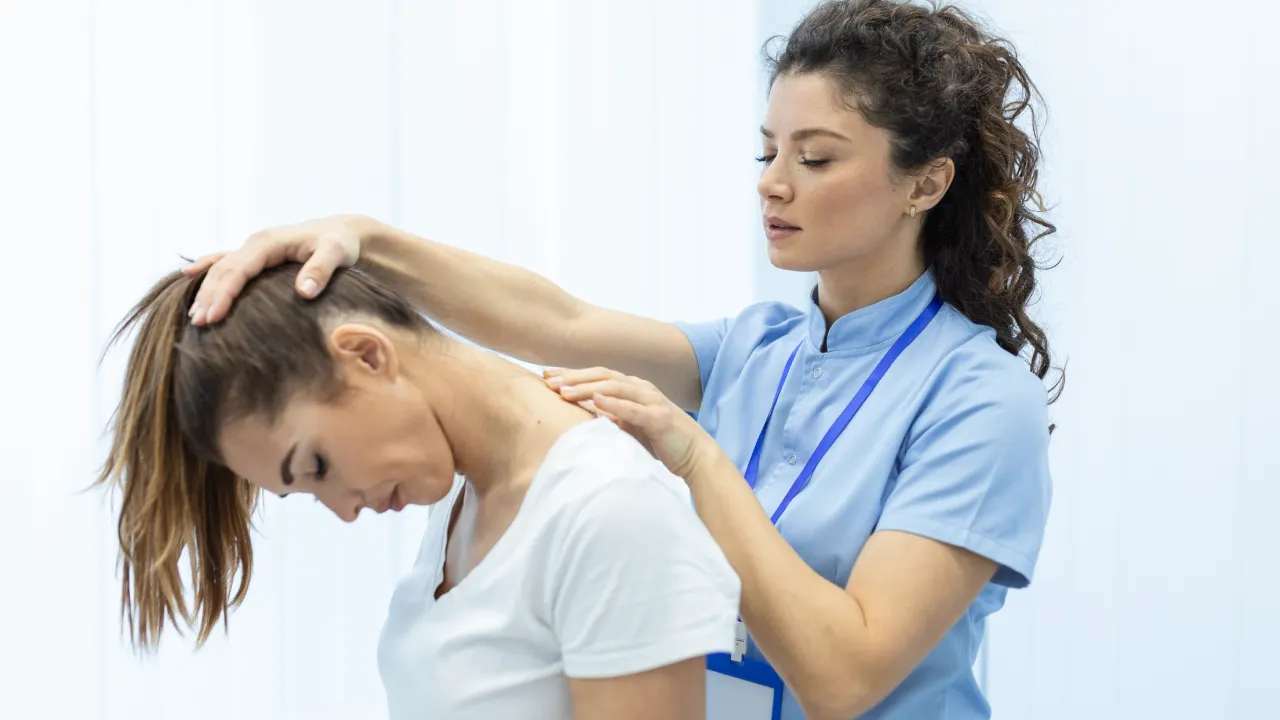
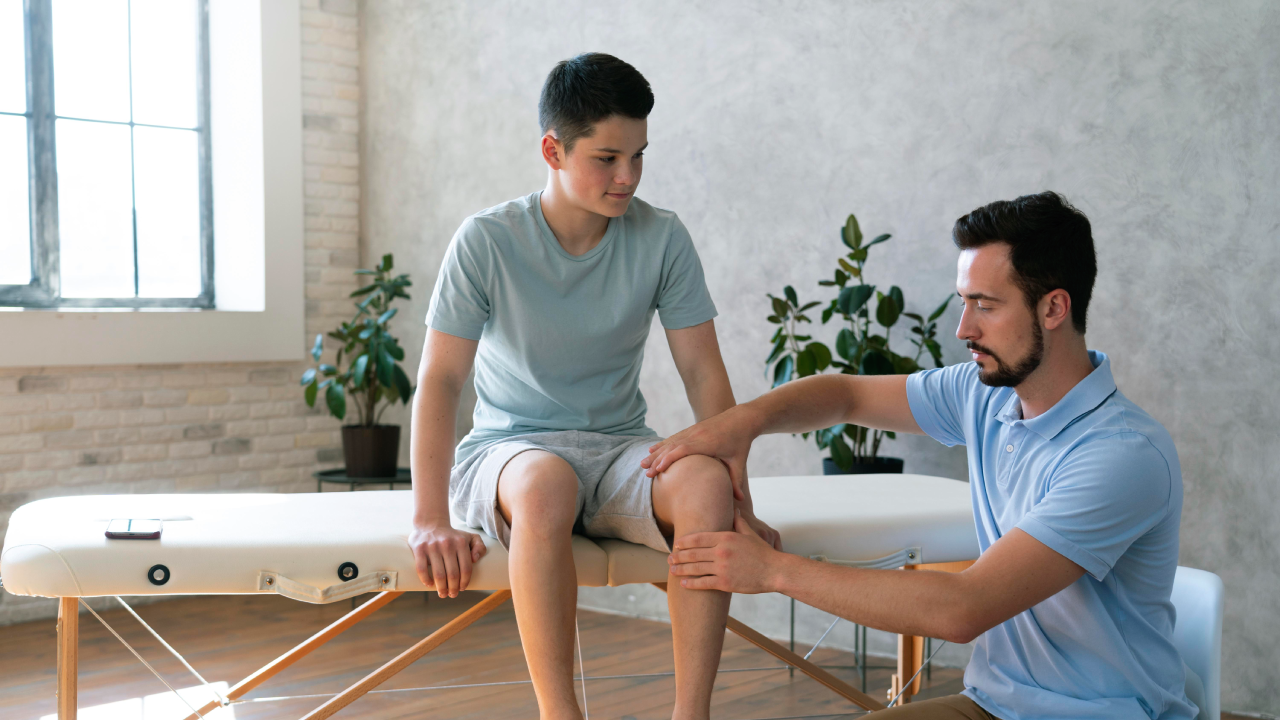
Home exercises are simple, guided movements that complement in-clinic physiotherapy sessions. They target muscles, joints, and overall Mobility, enabling individuals to continue their rehabilitation outside the clinic. Physiotherapy clinics frequently suggest home exercises as part of a structured recovery plan. These exercises can improve strength, flexibility, and Posture while reducing pain or stiffness. Many physiotherapy clinics provide patients with a tailored set of exercises that fit their specific needs and recovery goals.
Why Incorporate Home Exercises Into Your Routine?
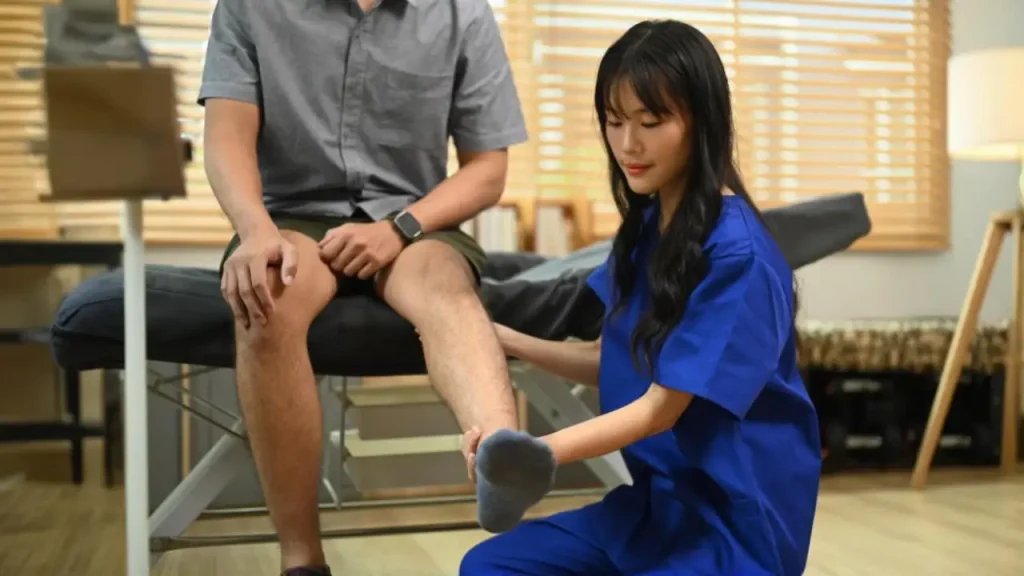
Adding home exercises to your daily routine can speed up recovery, maintain progress, and prevent recurring injuries. Physiotherapy clinics note that patients who consistently follow prescribed exercises often regain Mobility faster and experience less discomfort. Home exercises are not only convenient but also empower patients to take an active role in their rehabilitation. From supporting joint health to improving balance, these exercises play a vital role in overall physical wellness.
How to Perform Exercises Safely at Home
Safety is essential when practising home exercises. Physiotherapy clinics advise starting slowly, performing controlled movements, and avoiding exercises that cause sharp pain. Using props like chairs or resistance bands can enhance stability and effectiveness. It’s also essential to warm up before exercise and cool down afterwards to prevent injury. Following these guidelines ensures that home exercises are both safe and beneficial for recovery.
1. Wall Sits for Lower Body Strength
Wall sits are a favourite for strengthening quadriceps, glutes, and calves. Physiotherapy clinics often recommend this exercise for patients with knee or hip weakness.
How to do it:
- Stand against a wall with feet shoulder-width apart.
- Slide down until your knees form a 90-degree angle.
- Hold for 20–30 seconds, then gradually increase the time.
- Repeat 3–4 times.
This simple exercise enhances stability and supports daily movements, such as climbing stairs or standing from a seated position.
2. Heel Raises to Support Ankle Stability
Heel raises are ideal for improving ankle strength and balance. Physiotherapy clinics frequently prescribe this exercise after ankle sprains or for chronic instability.
How to do it:
- Stand near a wall or chair for support.
- Lift heels, rising onto the balls of your feet.
- Hold briefly, then lower slowly.
- Perform 10–15 repetitions for 2–3 sets.
Regular practice enhances walking stability and reduces the likelihood of future ankle injuries.
3. Cat-Cow Stretch for Spinal Mobility
The Cat-Cow stretch is a gentle way to increase spinal flexibility and Mobility. Physiotherapy clinics recommend it for anyone experiencing back stiffness or poor Posture.
How to do it:
- Begin in a tabletop position, with your hands and knees on the ground.
- Inhale, arch your back and lift your head (Cow Pose).
- Exhale, round your back, tucking your chin (Cat Pose).
- Repeat 10–15 times slowly.
This stretch is particularly beneficial for individuals who sit for extended periods or experience mild back discomfort.
4. Glute Bridges for Core and Hip Support
Glute bridges strengthen the gluteal muscles, lower back, and core. Physiotherapy clinics often include this exercise in recovery programs for hip, back, or knee conditions.
How to do it:
- Lie on your back with knees bent and feet flat.
- Press through heels, lifting hips toward the ceiling.
- Hold 2–3 seconds, then lower slowly.
- Complete 10–15 repetitions for three sets.
These bridges enhance stability and support functional movements, such as walking, climbing, or lifting.
5. Shoulder Blade Squeezes for Upper Back Strength
Shoulder blade squeezes target the upper back and improve Posture. Physiotherapy clinics suggest this exercise to counteract slouching from desk work or prolonged screen time.
How to do it:
- Sit or stand tall.
- Squeeze shoulder blades together gently.
- Hold 5 seconds and release.
- Repeat 10–15 times for 2–3 sets.
Consistent practice helps reduce neck tension and supports shoulder Mobility.
6. Seated Leg Extensions for Knee Flexibility
Seated leg extensions strengthen knees and improve Mobility. Physiotherapy clinics often recommend this low-impact exercise for individuals recovering from Surgery or injury.
How to do it:
- Sit on a sturdy chair with your feet flat on the floor.
- Extend one leg until it is straight, hold for 2–3 seconds, then lower it.
- Repeat with the other leg.
- Perform 10–15 repetitions per leg for 2–3 sets.
Leg extensions are beneficial for seniors or individuals with limited Mobility, helping them maintain daily activity levels.
Taking the Next Step in Recovery
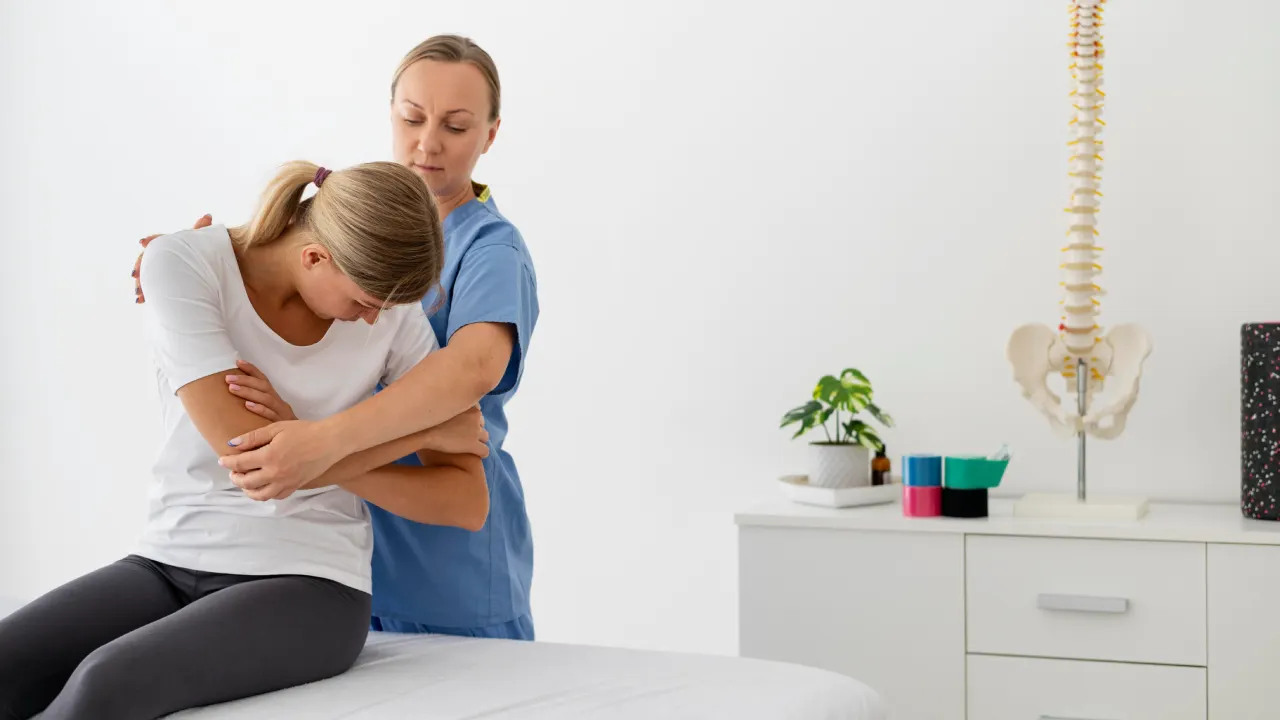
These six exercises, suggested by physiotherapy clinics, are a practical way to continue rehabilitation at home. They support strength, flexibility, and overall physical wellness. Physiotherapy clinics guide patients in performing exercises correctly and safely, thereby maximizing their effectiveness.
For personalized care and a structured home exercise plan, physiotherapy clinics like MindBody Physiotherapy provide professional support to help patients achieve improved Mobility and better recovery outcomes.





Get the physiotherapy you deserve!
Call us anytime