

- 16537 Rabbit hill Road SW, Edmonton AB T6W 5P4
- Mon to Fri 9am to 8pm | Sat : 9am to 1 pm | Sun : Closed
 Fri Jun 26
When Muscle Stiffness Continues Despite Stretching and Movement
Muscle tightness can affect daily activities, exercise performance, Posture, and overall comfort. While stretching, movement, and manual therapy can play an important role in managing muscle tension, some individuals continue to deal with persistent areas of stiffness that do not respond as expected. In these situations, Dry needling is often considered part of a physiotherapy treatment plan.
At MindBody Physiotherapy in Edmonton, many people seek care for muscle tension that interferes with work, sports, and everyday movement. Knowing the signs of ongoing muscle restrictions can help you decide whether this treatment option is worth discussing with a physiotherapist.
1. Your Muscles Feel Tight Even After Stretching
Stretching is commonly used to improve flexibility and reduce tension. However, if a muscle continues to feel restricted despite consistent stretching, the issue may involve deeper trigger points within the muscle tissue.
Dry needling can target these specific areas and help reduce muscular tension that may be contributing to ongoing stiffness. When a muscle repeatedly returns to a tight state, it may indicate that stretching alone is not addressing the underlying issue.
2. You Notice Painful Knots in Certain Areas
Many people can identify tender spots, or “knots,” in their necks, shoulders, backs, hips, or legs. These areas are often associated with trigger points, which are small regions of muscle that remain contracted and sensitive.
Dry needling may be used to address these trigger points directly. If pressing on a knot causes discomfort or pain radiating to another area, it may be a sign that trigger-point treatment could be useful.
3. Your Range of Motion Feels Limited
Tight muscles can restrict how far a joint moves. You may notice difficulty turning your head, reaching overhead, bending forward, or performing athletic movements comfortably.
This treatment is often incorporated into a physiotherapy plan when muscle tension contributes to movement restrictions. Improved muscle function can support more natural and efficient movement patterns.
4. Muscle Tightness Returns Quickly After Activity
Some individuals experience temporary relief after stretching or massage, only for the tightness to return shortly thereafter. Recurring tension can indicate an underlying muscular issue that has not been fully addressed.
This treatment is commonly used when recurring tightness continues to affect comfort and performance. Addressing trigger points may help reduce repeated muscle guarding and tension.
5. You Experience Tension Headaches Related to Muscle Tightness
Neck and shoulder tension can contribute to headaches for some people. Tight muscles in the upper back, shoulders, and neck may cause discomfort that radiates to the head.
This treatment may be considered when muscular tension appears to be a contributing factor. A physiotherapist can assess whether trigger points are involved and determine if this approach is suitable for your situation.
6. You Have Muscle Tightness After Sports or Exercise
Athletes and active individuals often place significant demands on their muscles. Repetitive movements, training loads, and sport-specific activities can sometimes lead to persistent tightness that affects performance.
Dry needling can be incorporated into rehabilitation programs to restore muscle function and support recovery. When certain muscles remain tense despite mobility exercises and recovery strategies, further assessment may be beneficial.
7. Stiffness Is Affecting Your Daily Activities
Muscle tightness is more than an inconvenience when it interferes with work, sleep, driving, exercise, or household tasks. Persistent stiffness may alter movement patterns and place extra stress on other areas of the body.
Dry needling is frequently used when muscle restrictions limit normal activities and movement. Identifying the source of the tension can help create a more focused treatment strategy.
How Dry Needling Works
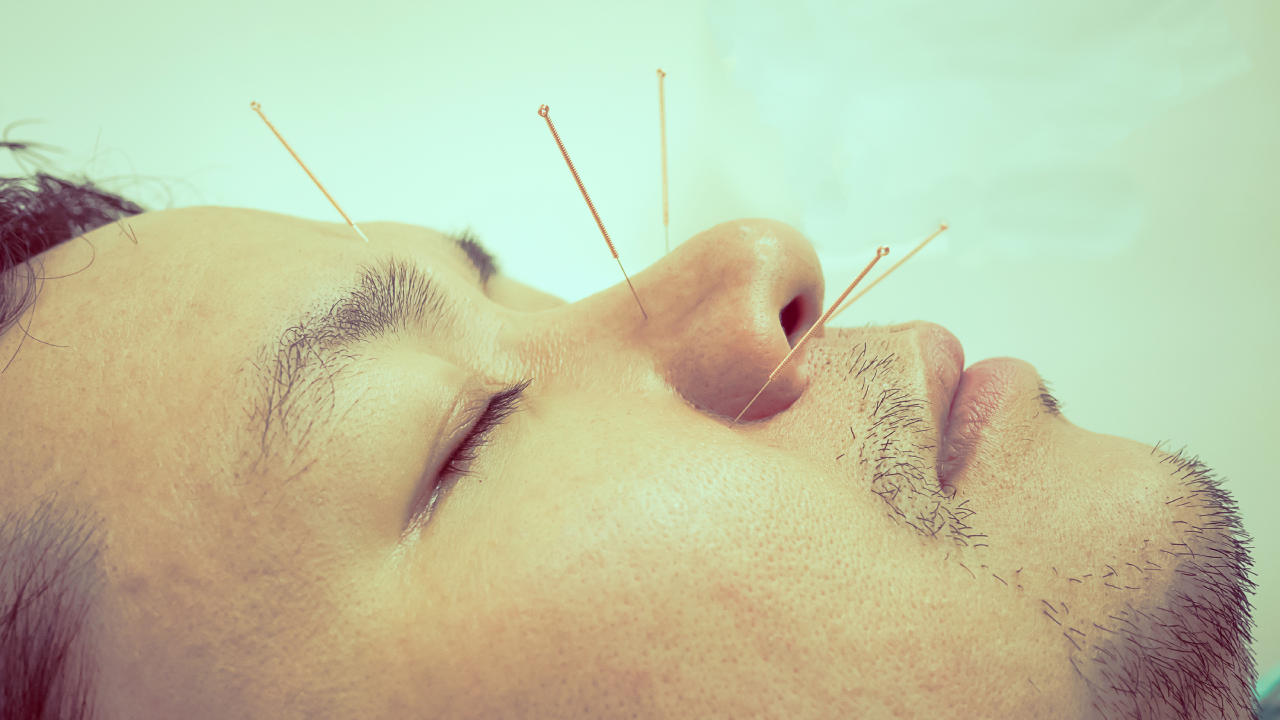
This technique involves inserting thin needles into specific trigger points within muscles. The goal is to encourage a response in the affected tissue that may help reduce tension and improve muscle function.
Dry needling targets areas that remain contracted or sensitive and is typically combined with other physiotherapy approaches such as exercise therapy, Mobility work, and movement education. A physiotherapist will determine whether the technique is appropriate based on an individual assessment and treatment goals.
Seeking Care in Edmonton
Muscle tightness can develop from many factors, including repetitive movements, prolonged sitting, sports participation, previous injuries, and physical workload. Because the causes vary from person to person, a thorough assessment is important before beginning treatment.
At MindBody Physiotherapy, Edmonton residents can receive an evaluation to identify factors contributing to ongoing muscle tension and movement limitations. Dry needling is frequently included within broader physiotherapy programs when it aligns with a patient’s needs and clinical findings.
FAQs
1. What is dry needling used for?
Dry needling is commonly used to address muscle trigger points, tension, stiffness, and movement restrictions associated with muscular dysfunction.
2. Is dry needling painful?
People respond differently to treatment. Some may feel a brief twitch response or mild discomfort when a trigger point is targeted.
3. How many sessions are typically needed?
The number of sessions depends on factors such as the condition being treated, symptom duration, and individual response to care.
4. Can dry needling be combined with physiotherapy exercises?
Yes. It is often used alongside exercise programs, mobility work, and other physiotherapy techniques.
5. Is dry needling suitable for sports injuries?
It may be used as part of rehabilitation for certain sports-related muscle issues when deemed appropriate by a physiotherapist after assessment.
Moving Forward
If recurring muscle tightness is affecting your movement, exercise routine, or daily activities, consider scheduling an assessment with MindBody Physiotherapy in Edmonton. Dry needling may be one component of a physiotherapy plan to address trigger points, improve Mobility, and help you move with greater ease. Contact MindBody Physiotherapy today to discuss your concerns and book an appointment.
Visit our West Edmonton clinic







Get the physiotherapy you deserve!
Call us anytime