

- 16537 Rabbit hill Road SW, Edmonton AB T6W 5P4
- Mon to Fri 9am to 8pm | Sat : 9am to 1 pm | Sun : Closed
 Tue Jan 27
How Dry Needling Addresses Deep Muscle Tension and Discomfort
Muscle tension is common and can limit mobility and cause discomfort. While massage and stretching help, some cases may need more targeted approaches. Dry needling, used by physiotherapists, targets deep tightness and pain. If ongoing muscle tension persists in Windermere, knowing when dry needling may help can guide you to effective relief.
What is Dry Needling?
Dry needling involves inserting thin, sterile needles into tight areas of muscle, known as trigger points. Unlike acupuncture, which is based on traditional Chinese medicine, dry needling focuses on specific muscular structures to reduce tension and restore normal function. It can improve blood flow, decrease pain, and support faster recovery from injuries. Many patients notice improved range of motion and relief from stubborn aches after a few sessions.
Physiotherapists at Mindbody Physiotherapy in Windermere often integrate dry needling with exercises, stretches, and other rehabilitation methods for comprehensive muscle care.
1. Persistent Shoulder or Neck Discomfort
If you experience ongoing stiffness or soreness in your shoulders or neck, despite rest and stretching, dry needling can be a helpful intervention. Conditions such as tension headaches or shoulder pain often stem from tight muscles that are difficult to loosen manually.
Signs your shoulder or neck pain could benefit from dry needling:
- Difficulty lifting your arm without discomfort
- Stiffness after long hours at a desk or computer
- Pain that worsens with activity but doesn’t improve with stretching
When combined with other treatments like shoulder pain treatment or neck pain treatment, dry needling can target the underlying muscular issues rather than just masking symptoms.
2. Muscle Knots That Resist Massage
Muscle knots, or trigger points, are small, tight areas that feel like nodules under the skin. While massage therapy can sometimes relieve these knots, some persist due to chronic tension or injury.
Dry needling directly addresses these tight spots by stimulating the muscle and encouraging deeper relaxation. Patients often report:
- Noticeable decrease in localised stiffness
- Reduced tension during daily movements
- Improved flexibility and comfort in previously tight areas
Visiting a massage therapy clinic like Mindbody Physiotherapy allows physiotherapists to assess whether dry needling is suitable and to integrate it with other soft-tissue therapies for maximum benefit.
3. Chronic Back Pain or Sciatica
Persistent back discomfort, including chronic back pain or sciatica, can be influenced by muscular tightness and trigger points along the spine, glutes, and legs. Dry needling targets these areas to alleviate tension, reduce pain, and improve overall function.
Indications that dry needling might be appropriate for back pain include:
- Pain that persists even after conventional treatments
- Difficulty sitting or standing for long periods
- Muscle stiffness is limiting mobility.
When combined with physiotherapy exercises, posture correction, and pain management strategies, dry needling can be an effective addition to a broader sciatica treatment plan.
4. Limited Range of Motion
Muscle tightness can restrict the natural movement of joints, making daily activities like reaching, bending, or twisting uncomfortable. Dry needling can help release these restrictions, improving both flexibility and function.
Signs your range of motion is limited due to muscle tension:
- Trouble performing routine tasks without discomfort
- Tightness in the back, shoulders, or neck when stretching
- A feeling of “stiffness” that persists after exercise
By targeting trigger points, dry needling can complement other therapeutic approaches, enhancing the results of stretching routines and strengthening exercises.
5. Recovery from Sports Injuries or Overuse
Athletes or active individuals often develop localised muscle tightness from repetitive movements. Dry needling can accelerate recovery by addressing tight muscles that interfere with performance and cause compensatory movement patterns.
Common scenarios where this technique can support recovery:
- Tight calf muscles after running or cycling
- Shoulder tension following repetitive overhead activities
- Neck or upper back soreness from prolonged workouts
Integrating into a rehabilitation program helps restore normal muscle function, reduce discomfort, and support a safe return to activity.
What to Expect During a Dry Needling Session
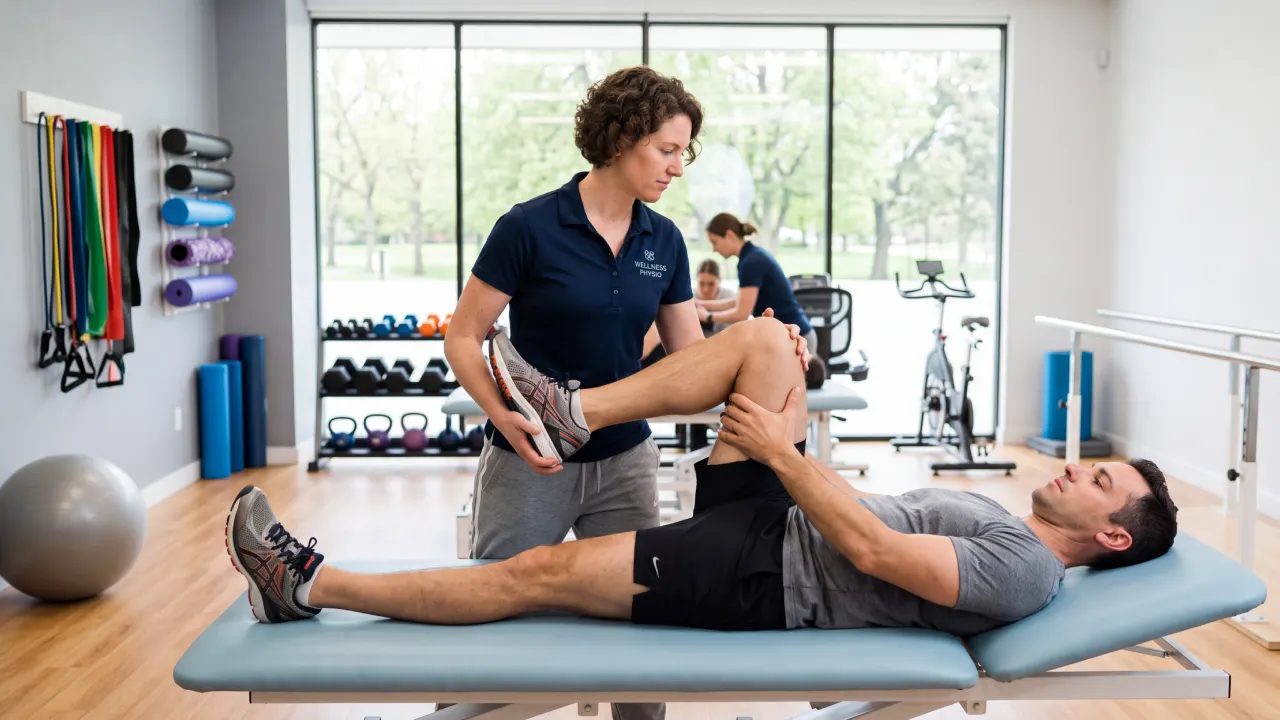
During a typical dry needling session at Mindbody Physiotherapy in Windermere, your physiotherapist will begin by discussing your specific symptoms, health background, and treatment goals. You will have an opportunity to ask questions about the procedure. The physiotherapist will then assess your muscles for tightness and locate trigger points. Once identified, thin, sterile needles are gently inserted into these areas. You might feel a brief twitch or mild ache during insertion, followed by relief or muscle relaxation. The physiotherapist may carefully manipulate the needles to help release further tension. The treatment generally lasts 30 to 45 minutes. After the needling, you will likely be guided through follow-up stretches or exercises to maintain your results. Most patients can resume normal activities immediately after the session, though your physiotherapist may provide specific advice based on your individual response.
- Assessment of muscle tightness and identification of trigger points
- Insertion of thin, sterile needles into affected muscles
- Gentle manipulation or movement to release tension
- Follow-up exercises or stretches to maintain mobility
Most patients experience mild soreness immediately after treatment, which usually resolves within a day or two. Many notice improvements in flexibility, reduced stiffness, and decreased pain.
Combining Dry Needling with Other Therapies
Dry needling is most effective when paired with complementary approaches such as:
- Manual therapy for soft tissue release
- Targeted exercises to strengthen weak muscles
- Posture correction and ergonomic advice
- Ongoing stretching and mobility routines
This integrated approach helps address the root cause of muscle tension and supports long-term recovery.
Schedule an Appointment at Mindbody Physiotherapy
If you’re experiencing persistent muscle tension in Windermere, dry needling may provide meaningful relief. At Mindbody Physiotherapy, our physiotherapists tailor treatment plans to your unique needs, combining dry needling with exercises, stretches, and other rehabilitative therapies for optimal results.
Take the first step toward improved comfort and mobility by contacting Mindbody Physiotherapy today or booking your appointment online.
Table of Contents






Get the physiotherapy you deserve!
Call us anytime