

- 16537 Rabbit hill Road SW, Edmonton AB T6W 5P4
- Mon to Fri 9am to 8pm | Sat : 9am to 1 pm | Sun : Closed
 Wed Jul 1
Why Addressing Sciatica Early Matters
Sciatica Treatment is essential for managing the pain, numbness, and discomfort caused by irritation or compression of the sciatic nerve. Sciatica can affect your lower back, hips, buttocks, and legs, making everyday activities such as walking, sitting, or standing difficult. Physiotherapy offers a non-invasive and effective approach to relieving symptoms, restoring Mobility, and helping prevent recurring episodes. With the right treatment plan, many individuals can return to their normal activities without relying on long-term Medication or invasive procedures.
Understanding Sciatica
Sciatica is not a condition itself but a symptom of an underlying issue affecting the sciatic nerve. The sciatic nerve is the largest in the body, running from the lower back through the hips and down each leg.
Common causes of sciatica include:
- Herniated discs
- Spinal stenosis
- Degenerative disc disease
- Piriformis syndrome
- Poor Posture
- Repetitive strain injuries
- Pregnancy-related pressure on the sciatic nerve
Symptoms can vary from mild discomfort to severe pain and may include:
- Sharp or burning pain in the leg
- Tingling sensations
- Numbness
- Muscle weakness
- Pain that worsens with sitting
- Difficulty walking or standing for long periods
Early intervention often leads to faster recovery and better long-term outcomes.
How Physiotherapy Helps Treat Sciatica
Physiotherapy focuses on identifying the root cause of sciatic nerve irritation and developing a personalized rehabilitation plan.
Pain Reduction
One of the primary goals of physiotherapy is to reduce pain and inflammation. Physiotherapists use various techniques to relieve pressure on the sciatic nerve and improve comfort.
Treatment methods may include:
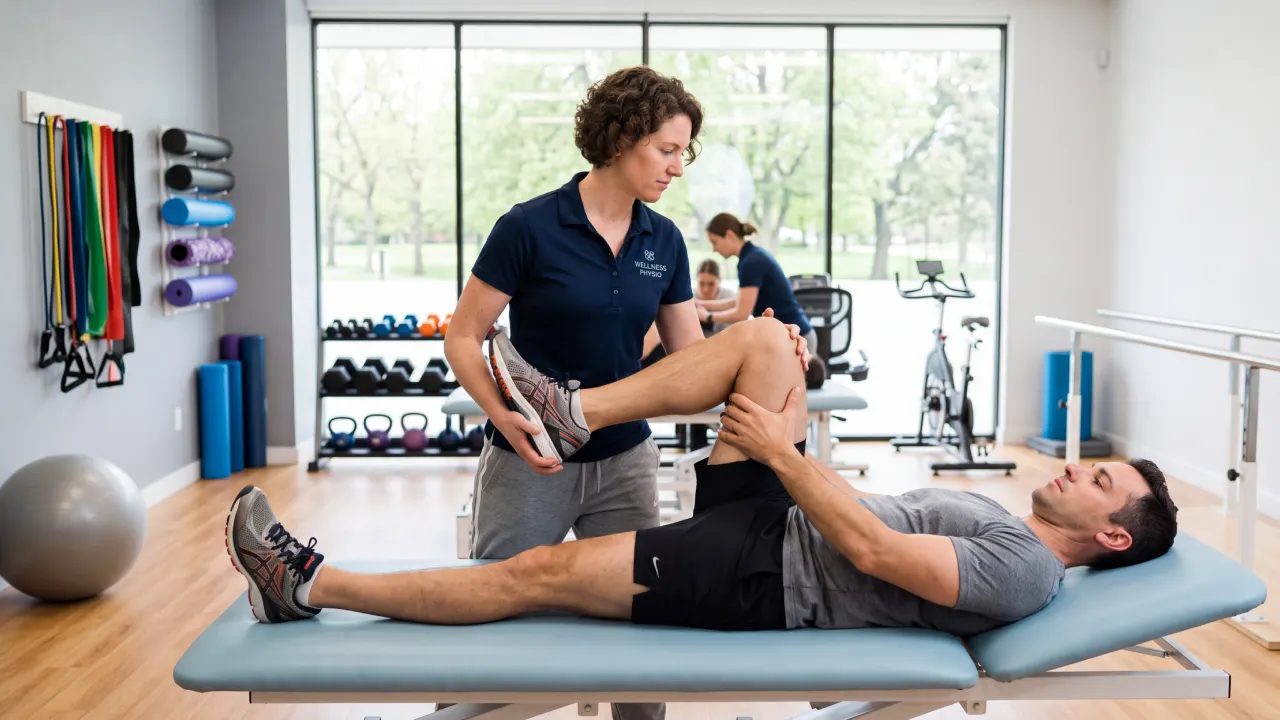
- Manual therapy
- Soft tissue mobilization
- Therapeutic stretching
- Joint mobilization
- Postural correction
Restoring Mobility
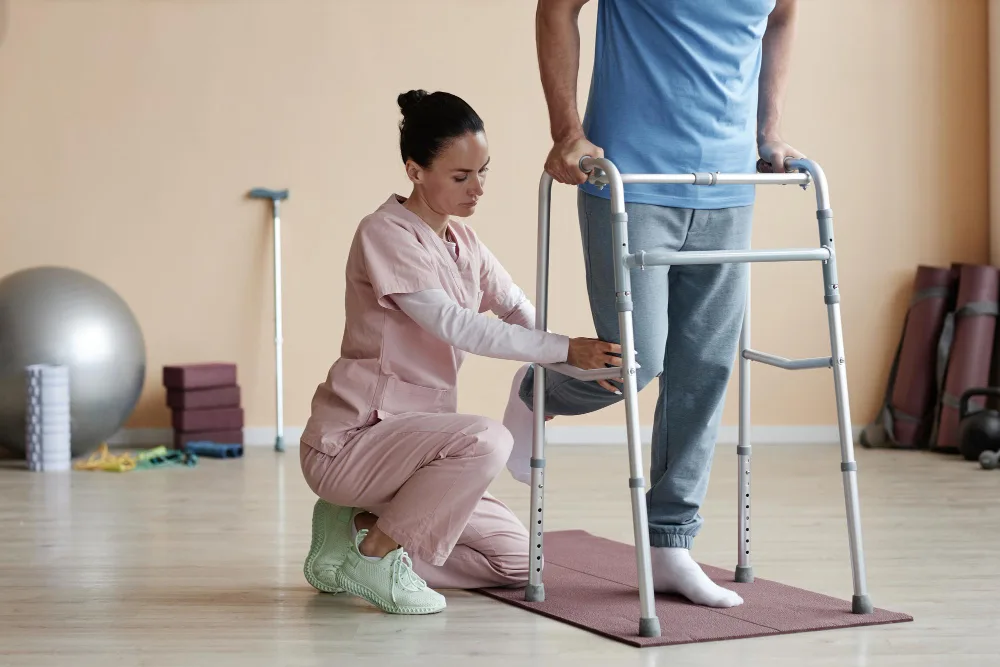
Sciatica often limits movement and flexibility. Physiotherapy helps improve range of motion through targeted exercises and movement therapy.
Strengthening Supporting Muscles
Weak core and lower back muscles can contribute to nerve compression. A structured exercise program strengthens key muscle groups to support the spine and reduce strain.
Many patients experience significant improvements through a customized Sciatica Treatment program that addresses both symptoms and underlying causes.
Common Physiotherapy Techniques for Sciatica
Exercise Therapy
Exercise plays a major role in recovery. Physiotherapists prescribe specific movements based on each patient’s condition.
Common exercises focus on:
- Core strengthening
- Hip Mobility
- Lower back stabilization
- Hamstring flexibility
- Postural improvement
Manual Therapy
Hands-on techniques can help reduce muscle tension, improve joint function, and enhance Mobility.
Dry Needling
Dry needling may be used to release tight muscles that contribute to sciatic nerve irritation.
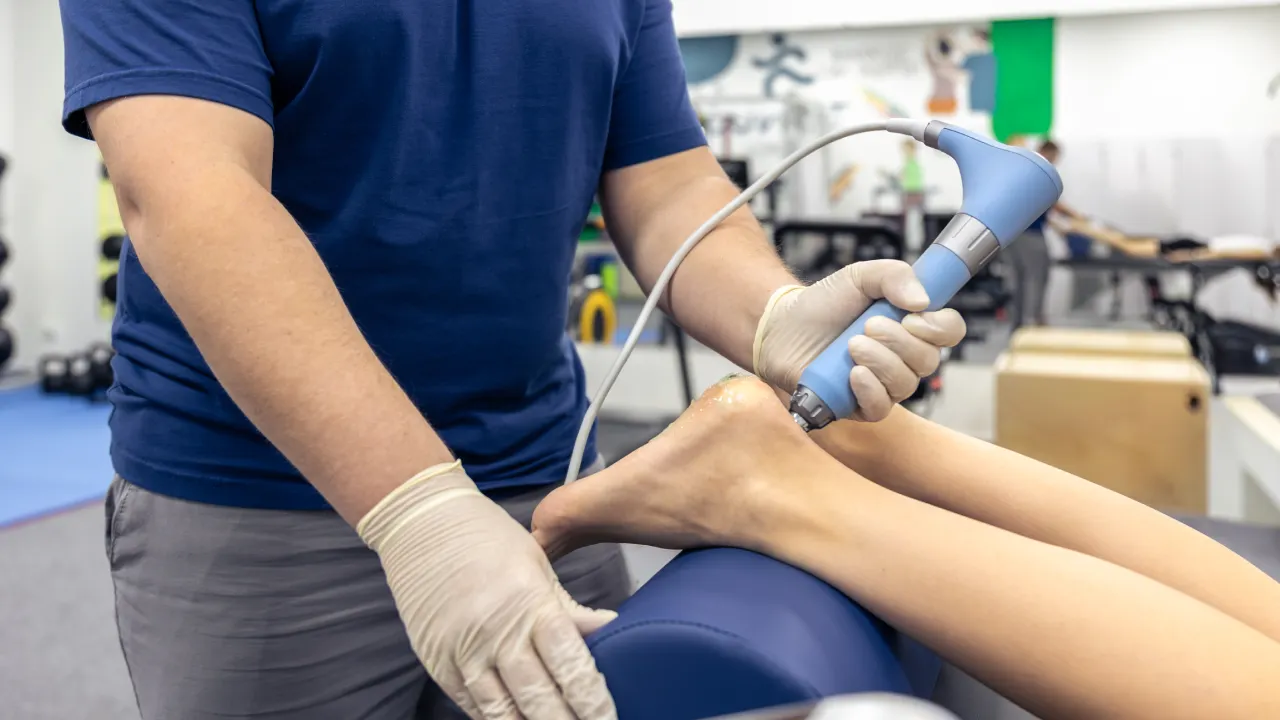
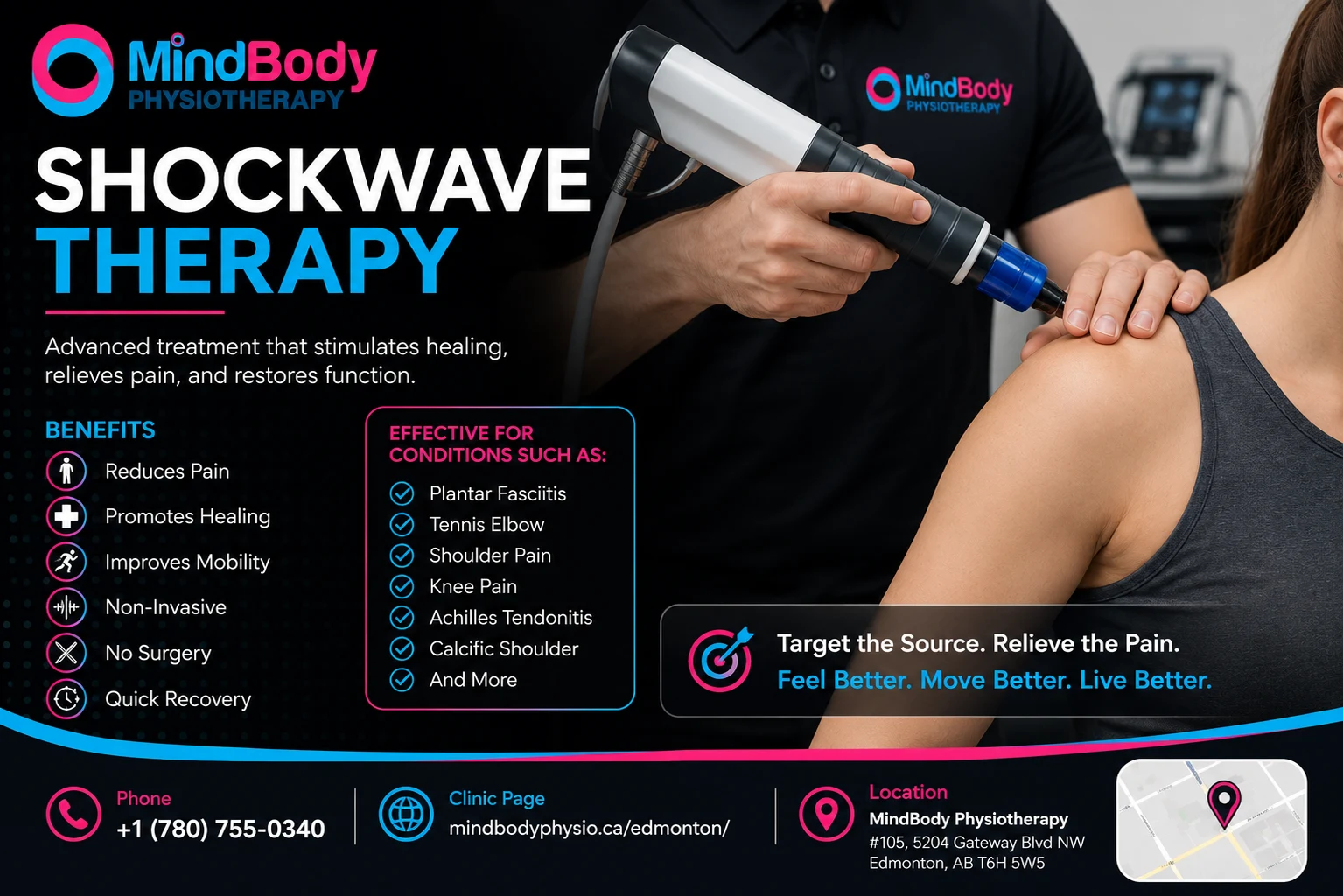
Shockwave Therapy
For some individuals, shockwave therapy can support healing and reduce chronic pain associated with musculoskeletal dysfunction.
Education and Lifestyle Guidance
Patients learn proper body mechanics and movement strategies that reduce stress on the lower back and sciatic nerve.
Benefits of Physiotherapy for Sciatica
Physiotherapy offers several advantages over symptom-focused approaches.
Benefits include:
- Reduced pain and discomfort
- Improved flexibility
- Better spinal support
- Enhanced Mobility
- Lower risk of recurrence
- Reduced dependence on Medication
- Improved quality of life
A comprehensive Sciatica Treatment plan focuses on both immediate Relief and long-term prevention.
When Should You Seek Treatment?
You should consider professional care if you experience:
- Persistent leg pain
- Numbness or tingling
- Lower back pain that radiates into the leg
- Muscle weakness
- Difficulty performing daily activities
- Symptoms lasting more than a few days
Prompt treatment can help prevent complications and support a smoother recovery process.
Recovery and Long-Term Management
Recovery times vary depending on the severity and cause of the condition. Some individuals experience improvement within a few weeks, while others require a longer rehabilitation period.
To support recovery:
- Stay active as advised by your physiotherapist
- Follow your exercise program consistently
- Maintain good Posture
- Avoid prolonged sitting
- Use proper lifting techniques
- Attend scheduled treatment sessions
Patients who commit to their rehabilitation plan often achieve better and longer-lasting results.
Before considering invasive procedures, healthcare professionals frequently recommend conservative Sciatica Treatment options because they can effectively address the root cause of symptoms.
Frequently Asked Questions
What is sciatica?
Sciatica refers to pain caused by irritation or compression of the sciatic nerve, often affecting the lower back, buttocks, and legs.
Can physiotherapy help sciatica?
Yes. Physiotherapy helps reduce pain, improve Mobility, strengthen supporting muscles, and address the underlying causes of sciatica.
How long does sciatica take to heal?
Recovery varies depending on the severity of the condition. Some cases improve within weeks, while others may require several months of treatment.
What exercises are best for sciatica?
Core strengthening, stretching, and Mobility exercises are commonly recommended, but exercises should be tailored to individual needs.
Is walking good for sciatica?
In many cases, walking can help improve circulation and reduce stiffness. However, activity levels should be guided by a healthcare professional.
Can sciatica go away without treatment?
Mild cases may improve on their own, but untreated sciatica can sometimes become chronic or worsen over time.
What should I avoid when I have sciatica?
Avoid prolonged sitting, poor Posture, heavy lifting, and activities that aggravate symptoms.
Is physiotherapy better than Medication for sciatica?
Physiotherapy addresses the underlying cause of symptoms, while Medication primarily focuses on temporary pain relief.
Can sciatica return after treatment?
Yes, sciatica can recur if underlying issues are not addressed. Ongoing exercise and proper movement habits help reduce the risk.
What is the most effective Sciatica Treatment?
The most effective Sciatica Treatment depends on the cause of the condition, but physiotherapy is often considered one of the best non-invasive options for lasting recovery.
Conclusion
Living with sciatica can be challenging, but effective Sciatica Treatment can help reduce pain, improve Mobility, and restore your quality of life. Physiotherapy focuses on identifying the root cause of symptoms and creating a personalized plan that supports long-term recovery. By combining targeted exercises, manual therapy, and education, patients can achieve lasting improvements and reduce the likelihood of future flare-ups.
Contact Us
If you are experiencing sciatica symptoms, our experienced physiotherapy team can help you find relief through personalized treatment and rehabilitation programs. Contact Mindbody Physio today to schedule an assessment and begin your recovery journey.
Your Location: https://maps.app.goo.gl/42hEdcmazWWtFx6U9





Get the physiotherapy you deserve!
Call us anytime