

- 16537 Rabbit hill Road SW, Edmonton AB T6W 5P4
- Mon to Fri 9am to 8pm | Sat : 9am to 1 pm | Sun : Closed
 Thu Jul 16
Facts Edmonton Patients Should Know Before Their First Session
When muscle pain continues to return, it’s natural to wonder whether one treatment session will make a noticeable difference or if the results will disappear within a few days. One of the most common questions physiotherapists hear is, “How long does dry needling last?”
The answer isn’t the same for everyone. Some people notice changes that continue for several weeks, while others require additional sessions because of long-standing muscle tension, repetitive work, or ongoing physical demands. The duration depends on why the muscle became irritated in the first place and whether the underlying cause is also being addressed.
If you’re considering dry needling in Edmonton, knowing what affects the duration of results can help you set realistic expectations and make informed decisions about your care.
When people ask, “How long does dry needling last?” they are often seeking clarification on the duration of its effects.
Most people asking this question are actually asking one of these:
- Will I feel different after today’s appointment?
- How long will the improvement continue?
- Will I need more than one treatment?
- Is this treatment worth trying for my condition?
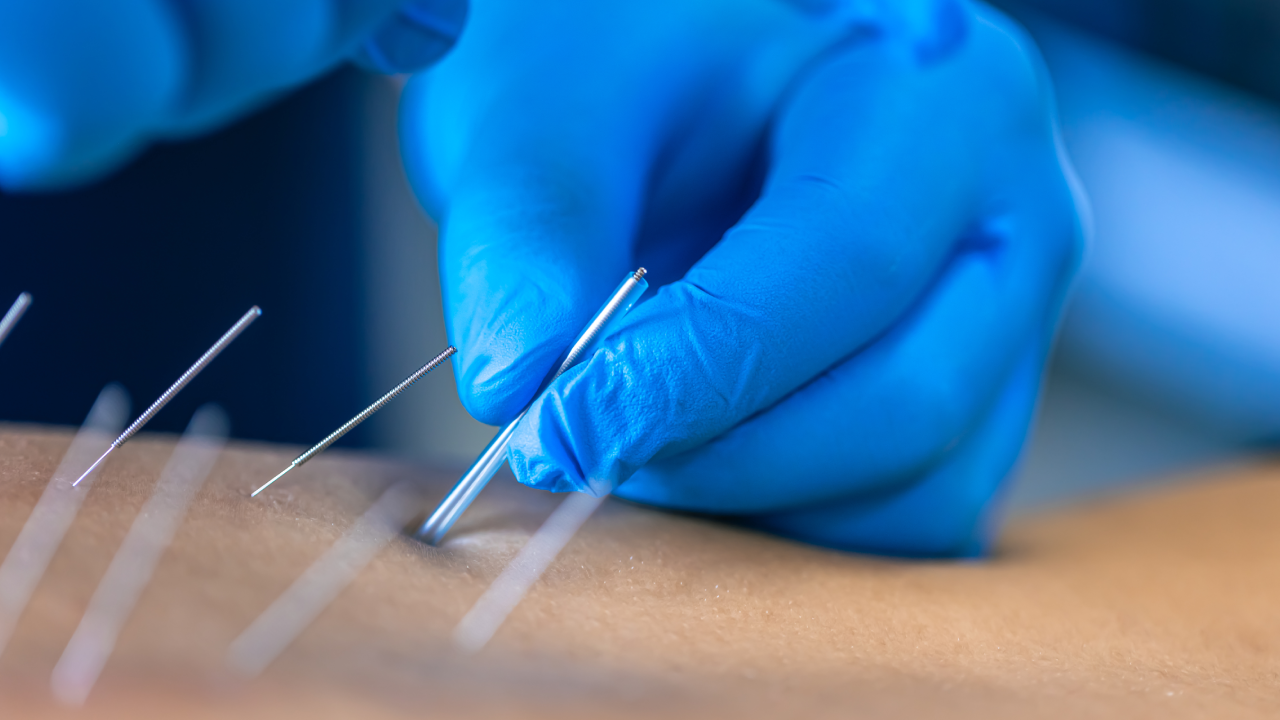
Dry needling in Edmonton works by targeting myofascial trigger points—tight bands within muscle tissue that may contribute to pain, stiffness, restricted movement, or muscle weakness.
Many patients notice changes in muscle tension soon after treatment, but how long those changes continue depends on several individual factors.
How Long Can Dry Needling Last After One Session?
For many people, dry needling in Edmonton produces improvement lasting anywhere from several days to several weeks.
Some patients notice:
- Easier movement
- Reduced muscle tightness
- Less discomfort during daily activities
- Improved flexibility
- Greater confidence when returning to exercise
Others notice gradual changes over the following few days rather than immediately after treatment.
Temporary muscle soreness lasting about 24 to 48 hours is also common and usually settles naturally.
The first session often provides valuable information about how your muscles respond and helps guide future treatment decisions.
Why Results Differ From One Person to Another
No two people respond exactly the same way.
Several factors influence how long dry needling in Edmonton continues working after treatment.
How Long You’ve Had Symptoms
Muscles that became tight recently often respond more quickly than those that have been irritated for months or years.
Long-standing muscle patterns generally require more time because the body has adapted to moving differently.
Daily Physical Activity
If your job involves lifting, repetitive movements, prolonged sitting, or standing for extended periods, the treated muscles continue facing physical demands after your appointment.
Without addressing those demands, symptoms may return sooner.
Strength and Mobility
Weakness or restricted movement elsewhere in the body often places additional stress on certain muscles.
Improving strength and mobility helps maintain the progress achieved during treatment.
Recovery Habits
Sleep, stress levels, hydration, and overall physical recovery all influence how muscles respond after treatment.
Can Dry Needling Produce Long-Term Improvement?
Yes, it can—especially when it forms part of a structured physiotherapy plan.
While Dry needling in Edmonton helps reduce muscle tension and improve muscle function, lasting progress usually comes from combining treatment with
- Strengthening exercises
- Mobility training
- Movement retraining
- Activity modification when necessary
When muscle function improves and the underlying contributors are addressed, many patients continue making progress well after treatment sessions.
Is One Session Enough?
Occasionally.
A person with recent muscle tightness caused by temporary overuse may notice significant improvement after a single appointment.
Others may require several visits because
- Symptoms have existed for a long time.
- Multiple muscle groups are involved.
- Daily activities continue irritating the area.
- Weakness or movement limitations still need attention.
The response after the first appointment helps determine whether dry needling in Edmonton should remain part of the rehabilitation plan.
When Symptoms Return Quickly
If improvement lasts only a short time, it doesn’t necessarily mean treatment failed.
It may simply indicate that muscles continue experiencing the same stresses that caused the problem initially.
Examples include:
- Poor workstation setup
- Repetitive lifting
- Sports training errors
- Limited joint mobility
- Muscle weakness
- Reduced movement control
Addressing these factors often helps maintain progress for longer periods.
Is Temporary Soreness Normal?
Yes.
Following dry needling in Edmonton, some people notice soreness similar to what they might feel after an intense workout.
This usually lasts between 24 and 48 hours.
During this period, your physiotherapist may recommend:
- Gentle walking
- Light stretching when appropriate
- Staying hydrated
- Returning gradually to normal activities
Most people find the soreness settles without further intervention.
Does Every Condition Respond the Same Way?
No.
The duration of results depends partly on the condition being treated.
Dry needling in Edmonton may be used alongside physiotherapy for conditions such as the following:
- Neck pain
- Shoulder tightness
- Low back pain
- Hip discomfort
- Sports-related muscle injuries
- Headaches associated with muscle tension
- Tennis elbow
- Muscle trigger points
Some conditions respond quickly, while others improve gradually over multiple visits.
Why Does Assessment Matters Before Treatment?
Muscle pain isn’t always caused by trigger points.
That’s why a physiotherapy assessment comes first.
Your physiotherapist evaluates:
- Your symptoms
- Joint mobility
- Muscle strength
- Movement patterns
- Daily activities
- Previous injuries
This assessment helps determine whether dry needling in Edmonton is likely to benefit your condition or whether another treatment approach would be more appropriate.
Meet Manthan Joshi at MindBody Physiotherapy & Wellness.
When choosing Dry needling, it’s important to work with a physiotherapist who performs a thorough assessment before beginning treatment.
Manthan Joshi, Registered Physiotherapist at MindBody Physiotherapy & Wellness, has advanced training in manual therapy, dry needling, sports injury rehabilitation, and functional rehabilitation.
His approach focuses on identifying the factors contributing to muscle dysfunction instead of concentrating only on the painful area. By assessing movement patterns, joint mobility, muscle strength, and biomechanics, he develops treatment plans based on current clinical evidence.
Manthan combines hands-on physiotherapy techniques with progressive exercise programs that support joint stability, movement quality, and physical function. He continues expanding his clinical knowledge through ongoing professional education in orthopedic rehabilitation and evidence-based physiotherapy.
His clinical focus includes:
- Sports injuries
- Persistent muscle and joint pain
- Functional rehabilitation
- Biomechanical assessment
- Orthopedic rehabilitation
Dry Needling in Edmonton
Many people across Edmonton spend long hours sitting at desks, driving, performing physically demanding work, or participating in recreational sports. These activities can contribute to muscle tightness and recurring trigger points.
Current physiotherapy practice supports combining exercise, education, and manual treatment approaches for many musculoskeletal conditions, with dry needling in Edmonton used when clinically appropriate as part of an overall rehabilitation program. The College of Physiotherapists of Alberta also recognizes dry needling as an activity that requires additional education and competency by qualified physiotherapists.
Research from the Canadian Physiotherapy Association shows that effective physiotherapy for musculoskeletal conditions relies on individual assessments and patient goals, rather than using the same treatment for everyone.
Get Started
If recurring muscle tightness, restricted movement, or persistent discomfort is affecting your daily routine, the team at MindBody Physiotherapy & Wellness can assess your condition and determine whether dry needling in Edmonton is suitable for your needs.
Our physiotherapists take the time to identify what’s contributing to your symptoms before developing a treatment plan that supports your movement and rehabilitation goals.
Book Your Dry Needling Assessment at MindBody Physiotherapy & Wellness in Edmonton
Address: 16537 Rabbit Hill Rd SW, Edmonton, AB T6W 5P4, Canada
Phone: +1 780-755-0340






Get the physiotherapy you deserve!
Call us anytime