

- 16537 Rabbit hill Road SW, Edmonton AB T6W 5P4
- Mon to Fri 9am to 8pm | Sat : 9am to 1 pm | Sun : Closed
 Mon Jun 15
How Dry Needling Supports Pain Relief and Recovery
Muscle tightness, joint discomfort, and movement restrictions can affect your daily routine, work, and recreational activities. Whether these issues result from sports injuries, repetitive strain, poor Posture, or prolonged muscle tension, finding the right treatment can play an important role in recovery.
At Mindbody Physio, many patients choose Dry Needling in Edmonton as part of their physiotherapy treatment plan to help address musculoskeletal concerns and improve overall function. This technique has become increasingly popular because it targets specific muscle trigger points that may contribute to discomfort, stiffness, and restricted movement.
Many individuals seeking Dry Needling in Edmonton use this treatment to address muscle tension, sports injuries, and chronic pain conditions. When combined with physiotherapy, it can help improve movement patterns and support long-term recovery goals.
But what conditions can it treat, and how does it support recovery?
What Is Dry Needling?
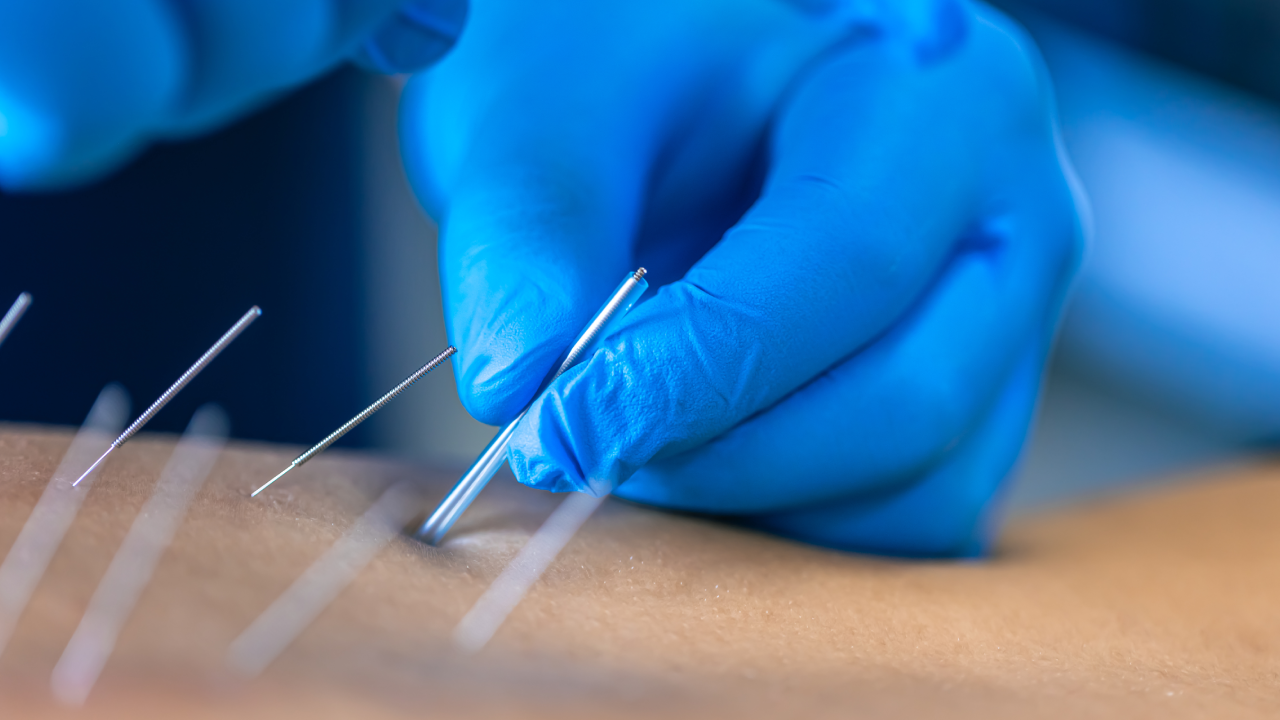
Dry Needling is a physiotherapy technique that involves inserting thin, sterile needles into specific trigger points within muscles. Trigger points are tight bands of muscle tissue that can contribute to discomfort, reduced Mobility, and movement dysfunction.
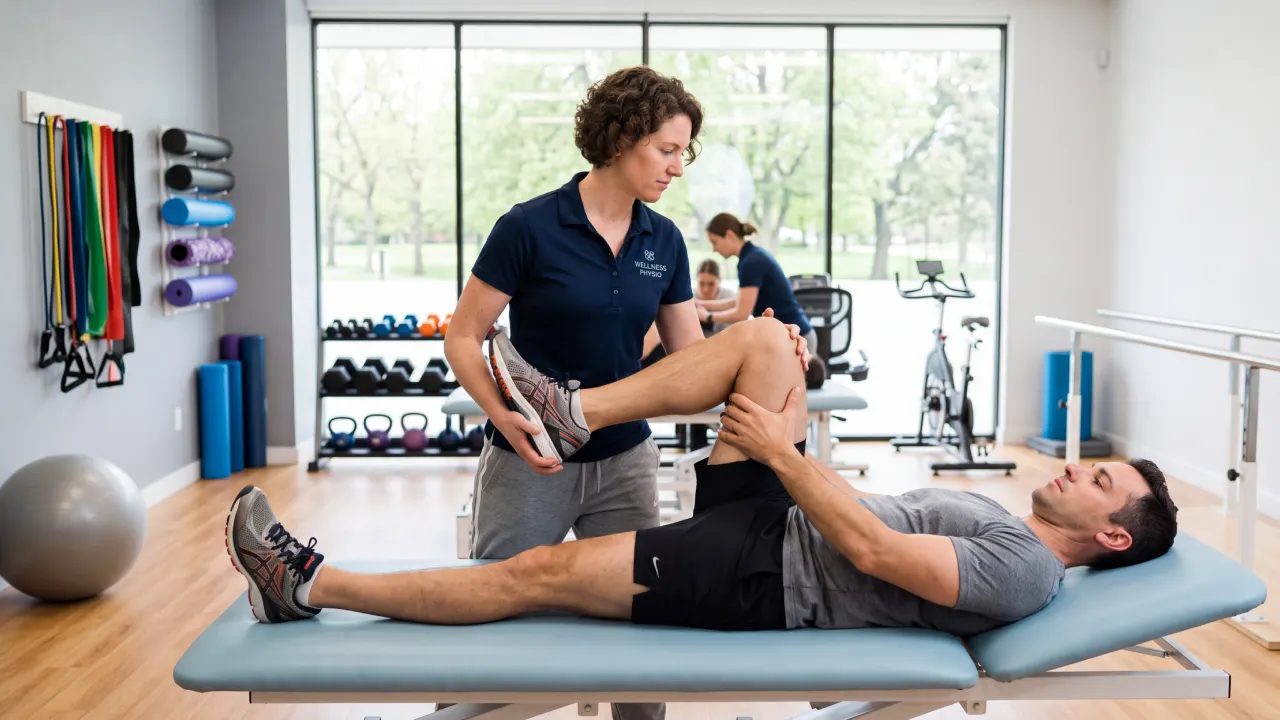
The primary goal of treatment is to release muscle tension, improve circulation, and support normal muscle function. Physiotherapists often combine this technique with exercise therapy, manual therapy, and movement education to create a comprehensive rehabilitation plan.
Unlike medication-based treatments, Dry Needling focuses directly on muscular dysfunction and trigger points that may be contributing to pain or movement limitations.
How Does Dry Needling Work?
When a needle is inserted into a trigger point, it creates a response within the muscle that may help reduce tension and improve muscle activity. This process encourages the muscle to relax and function more efficiently.
The treatment may help by:
- Reducing muscle tightness
- Improving flexibility
- Supporting circulation
- Enhancing range of motion
- Addressing trigger points
- Assisting with movement-related discomfort
- Supporting rehabilitation after injury
Since every patient presents with different concerns, treatment plans are tailored according to individual needs and physiotherapy assessments.
Conditions Commonly Treated With Dry Needling
At Mindbody Physio, Dry Needling in Edmonton is commonly used as part of a personalized physiotherapy treatment plan. It may help patients experiencing muscle pain, trigger points, sports-related injuries, and movement restrictions that affect daily activities.
Neck and Shoulder Tension
Many people develop neck and shoulder tension due to desk work, poor Posture, repetitive activities, or physical stress. Trigger points within these muscles can contribute to stiffness, discomfort, and limited range of motion.
This treatment may help relieve muscle tension and improve Mobility when incorporated into a broader physiotherapy program.
Back Pain
Muscle tightness in the upper, middle, or lower back can affect Mobility and interfere with daily activities. Physiotherapists often use this technique to target specific muscle groups that may contribute to ongoing discomfort.
As part of a comprehensive treatment plan, it may help improve flexibility and support recovery.
Sports Injuries
Athletes frequently experience muscle strains, overuse injuries, and movement restrictions. This treatment approach is often included in sports injury rehabilitation programs to address muscular dysfunction and support recovery.
Whether you’re a recreational athlete or a competitive performer, improving muscle function can be an important part of returning to activity safely.
Headaches Related to Muscle Tension
Trigger points located in the neck, shoulders, and upper back can contribute to tension-related headaches. Addressing muscular tightness in these areas may help improve muscle function and reduce contributing factors.
Physiotherapists often evaluate Posture, movement patterns, and muscle function when developing treatment strategies.
Hip and Gluteal Muscle Tightness
Tightness in the hips and gluteal muscles can affect walking, running, squatting, and other everyday movements. Restricted muscle function in these areas may contribute to discomfort and reduced Mobility.
This technique may be used alongside exercise therapy to help restore normal movement patterns.
Tennis Elbow and Golfer’s Elbow
Overuse of the forearm muscles can contribute to discomfort around the elbow. Physiotherapists frequently use this treatment as part of a broader rehabilitation approach for individuals experiencing symptoms associated with repetitive strain.
Knee and Leg Conditions
Muscle imbalances and tightness patterns may influence knee function and movement mechanics. Physiotherapists may use this approach to address affected muscles while incorporating strengthening and Mobility exercises into treatment.
Plantar Fasciitis and Foot Pain
Tightness within the calf muscles and lower leg can sometimes contribute to foot discomfort and altered movement patterns. Addressing muscular tension may support recovery and improve overall function.
Chronic Muscle Tightness
Some individuals experience ongoing muscle tightness due to work demands, repetitive movements, or long-term physical stress. This treatment may help release trigger points and support improved flexibility.
What Happens During a Dry Needling Session?
At Mindbody Physio, treatment begins with a detailed physiotherapy assessment to identify the source of the problem and determine whether Dry Needling is appropriate.
A typical session may include:
- Review of symptoms and medical history
- Physical assessment and movement testing
- Identification of trigger points
- Needle insertion into targeted muscles
- Follow-up exercises and movement recommendations
Most sessions are relatively brief, although treatment length depends on the condition being addressed and the number of muscles requiring treatment.
Benefits of Dry Needling
Many patients choose this treatment because it can complement other physiotherapy treatments and support the restoration of movement.
Potential benefits may include:
- Improved muscle flexibility
- Reduced muscle tension
- Enhanced Mobility
- Increased circulation
- Support for physical rehabilitation
- Improved movement patterns
- Assistance with sports recovery
- Reduced muscular restrictions
In addition to reducing muscle tension, Dry Needling may complement other physiotherapy services such as manual therapy, exercise therapy, and sports injury rehabilitation. This integrated approach can help patients achieve better outcomes and improve overall function.
Is Dry Needling Safe?
When performed by trained physiotherapy professionals, Dry Needling is generally considered safe. Physiotherapists follow strict hygiene and safety protocols while using sterile, single-use needles.
Some patients may experience temporary soreness, mild bruising, or muscle sensitivity after treatment. These effects are usually short-lived and often resolve within a few days.
Before recommending treatment, a physiotherapist will review your medical history, symptoms, and rehabilitation goals to determine whether the treatment is appropriate.
Is Dry Needling Right for You?
This treatment may be beneficial for individuals experiencing muscle tension, sports injuries, chronic pain, and movement restrictions. Because every condition is unique, a professional physiotherapy assessment is essential to determine the most appropriate treatment approach.
If you are looking for Dry Needling in Edmonton, the team at Mindbody Physio can assess your condition and develop a personalized treatment plan designed to support recovery, improve Mobility, and help you return to your daily activities with Confidence.
Why Choose Mindbody Physio in Edmonton?
At Mindbody Physio, the focus is on identifying the root causes of movement limitations and developing treatment plans to improve function. The clinic combines evidence-based physiotherapy techniques with patient education and active rehabilitation strategies.
Mindbody Physio proudly provides Dry Needling in Edmonton for patients seeking Relief from muscle pain, trigger points, sports injuries, and movement-related concerns. The team works closely with each patient to create personalized treatment plans tailored to their unique goals and lifestyle.
Whether you are managing a sports injury, chronic muscle tension, or movement restrictions, the team can determine whether this treatment may be appropriate for your recovery journey.
Frequently Asked Questions
Does Dry Needling hurt?
Most patients experience minimal discomfort during treatment. Some trigger points may create a brief muscle twitch or mild sensation when the needle is inserted.
How many sessions will I need?
The number of sessions depends on your condition, goals, and response to treatment. Your physiotherapist will discuss an appropriate treatment plan during your assessment.
Is Dry Needling the same as acupuncture?
No. Although both techniques use thin needles, physiotherapists use Dry Needling to address muscle trigger points and movement-related concerns.
Can athletes benefit from this treatment?
Yes. Athletes often use this treatment as part of rehabilitation and recovery programs to address muscle tightness and movement restrictions.
Can this treatment be combined with physiotherapy?
Yes. Physiotherapists frequently combine Dry Needling with exercise therapy, manual therapy, and movement training.
How long does a Dry Needling session take?
Most sessions last 15-30 minutes, depending on the condition being treated and the number of muscles involved.
Are there any side effects after treatment?
Some patients may experience mild soreness, bruising, or temporary muscle sensitivity after treatment. These effects are usually short-lived.
Is Dry Needling covered by insurance?
Coverage varies depending on your insurance provider and physiotherapy benefits. Patients should verify coverage directly with their insurance company.
Who should avoid Dry Needling?
Your physiotherapist will review your medical history and determine whether this treatment is appropriate based on your condition and overall health.
How soon can I return to normal activities?
Many patients can resume normal activities shortly after treatment, although your physiotherapist may provide specific recommendations based on your condition.
Location – Mindbody Physio, Edmonton
Mindbody Physio
Edmonton
[https://maps.app.goo.gl/4xpJAQoRDB8PgVCUA]
To learn more about Dry Needling in Edmonton or to schedule a physiotherapy assessment, contact Mindbody Physio today and discover how a personalized treatment plan can support your recovery goals.
Table of Contents





Get the physiotherapy you deserve!
Call us anytime