

- 16537 Rabbit hill Road SW, Edmonton AB T6W 5P4
- Mon to Fri 9am to 8pm | Sat : 9am to 1 pm | Sun : Closed
 Tue Dec 23
 Regain Control After a Collision
Recovering from a car accident can disrupt your daily life and affect your body in ways you may not notice immediately. Even minor collisions can lead to neck strain, back tension, and limited mobility. Car accident physiotherapy plays a crucial role in restoring your strength, flexibility, and overall function. By actively participating and following key strategies, you can accelerate recovery and regain control of your routine. Here are 11 practical tips to help you get the most from car accident physiotherapy.
What Car Accident Physiotherapy Involves
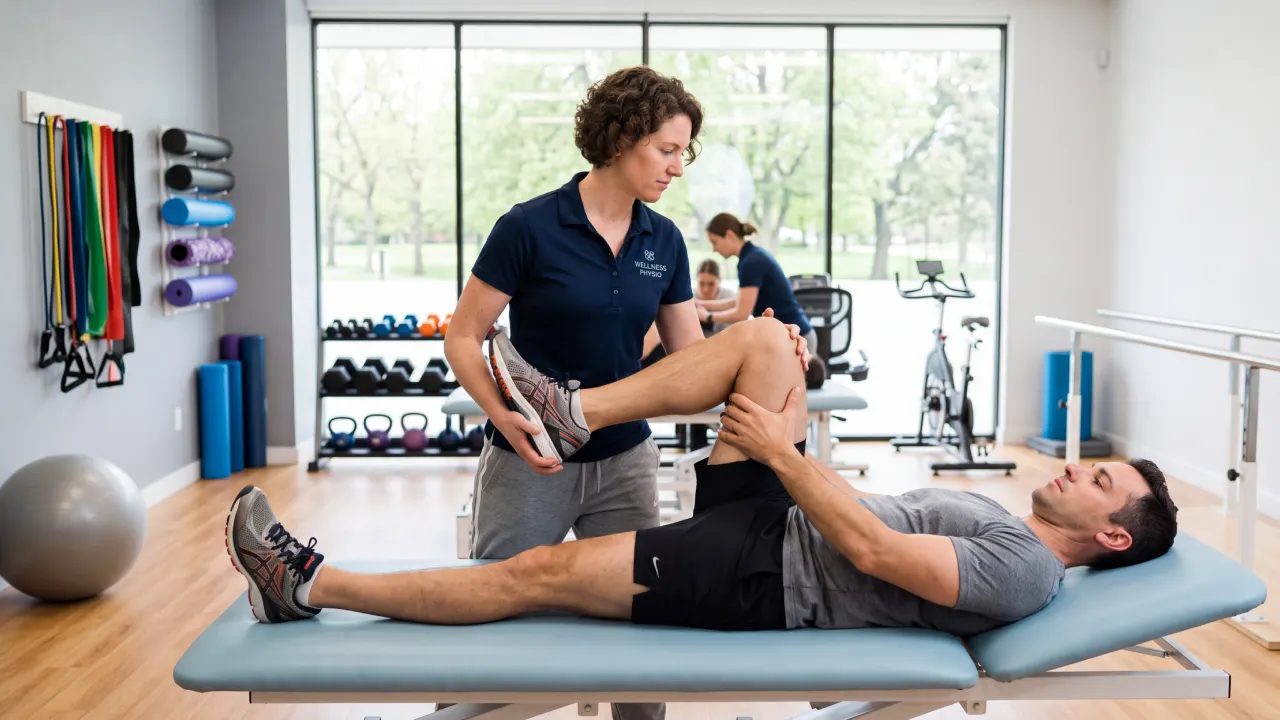
Car accident physiotherapy is a specialised approach to treating injuries sustained in a collision. It focuses on addressing pain, improving movement, and rebuilding strength. Your therapist will assess your condition, identify affected areas, and create a tailored treatment plan. Sessions may include manual therapy, guided exercises, posture correction, and techniques to restore balance and coordination.
Why Early Intervention Matters
Starting car accident physiotherapy soon after a collision is essential for preventing long-term complications. Early intervention can help manage inflammation, reduce pain, and maintain range of motion. Even if symptoms appear mild, delaying treatment may allow stiffness or weakness to worsen, prolonging recovery and making it more challenging.
How to Maximise Results From Car Accident Physiotherapy
1. Communicate Clearly With Your Therapist
Sharing accurate information about your pain, discomfort, and limitations helps your therapist design a plan that addresses your needs. Open communication allows your physiotherapist to track progress, adjust techniques, and focus on areas that require extra attention.
2. Follow a Personalised Exercise Plan
Exercises performed at home complement the work done during physiotherapy sessions. Consistency with stretches, strengthening routines, and mobility drills is critical for improving recovery speed. A structured home program ensures your body continues to adapt between appointments.
3. Prioritise Proper Posture
Maintaining correct posture while sitting, standing, and moving helps protect injured muscles and joints. Bad posture can strain your body and slow the benefits of car accident physiotherapy. Your therapist can teach adjustments that reduce pressure on vulnerable areas.
4. Track Progress Regularly
Keeping a record of pain levels, mobility improvements, and daily activity performance allows you and your therapist to monitor changes effectively. Tracking progress reinforces motivation and highlights the benefits of consistent therapy.
5. Apply Ice and Heat Appropriately
Targeted use of ice and heat can complement physiotherapy. Ice helps reduce swelling and inflammation during the initial stages of injury, while heat supports muscle relaxation and blood circulation during recovery. Following your therapist’s instructions ensures the right approach at the right time.
6. Maintain a Healthy Lifestyle
Nutrition, hydration, and sufficient rest all support recovery. A well-balanced diet provides the nutrients needed for tissue repair, while proper sleep helps your body restore energy and recover more quickly. Lifestyle factors work hand in hand with physiotherapy to achieve optimal results.
7. Attend Sessions Consistently
Skipping appointments or delaying therapy slows recovery. Regular attendance allows your therapist to track improvements and adapt your treatment plan as needed. Consistency ensures that your body receives steady support and guidance throughout the recovery process.
8. Listen to Your Body
Physiotherapy can involve temporary discomfort, but sharp or worsening pain may indicate the need for adjustments. Recognising the difference between normal post-session soreness and concerning pain prevents setbacks and supports safe recovery.
9. Set Realistic Recovery Goals
Collaborating with your therapist to establish short-term and long-term objectives keeps you focused. Goals may include improving flexibility, regaining strength, or returning to daily activities. Clear targets help measure progress and maintain motivation during your rehabilitation journey.
10. Focus on Mobility and Function
Car accident physiotherapy is not just about pain relief; it is about regaining movement and functional independence. Paying attention to exercises that improve joint range, core stability, and muscle coordination enhances the benefits of your sessions and prepares your body for daily demands.
11. Choose a Dedicated Clinic for Your Care
Selecting the right clinic is crucial for effective car accident physiotherapy. Our clinic in Windermere offers a comprehensive approach that combines hands-on techniques, individualised plans, and professional guidance. Every session is designed to restore function, improve comfort, and help you return to your routine safely.
Moving Forward
MindBody Physiotherapy & Wellness Clinic is dedicated to guiding you through your recovery. From your initial assessment to the final session, our clinic ensures that every step is structured, monitored, and personalised. With our support, car accident physiotherapy is not just about healing injuries; it is about restoring independence, improving quality of life, and returning to your routine safely. Choosing our clinic means choosing a team that prioritises your recovery and provides a clear path toward full restoration.
Table of Contents







Get the physiotherapy you deserve!
Call us anytime
